Meru-based author and teacher Godfrey Muchui Karere has launched his new book, Politricks: Populism versus Reason, using fictional characters to challenge Kenyans to reflect on the country’s politics, justice system and the role of voters in shaping the nation’s future.
Speaking during the book launch at Elsa Hotel in Meru County, Muchui said the book mirrors the realities of Kenya’s political landscape and raises difficult questions about whether the country’s justice system serves ordinary citizens equally.
“I want Kenyans to ask themselves whether our judicial system is serving the common mwananchi as it should. In the book, when Hon. Jackal killed Sloth, Judge Lion ruled that it was not Wild Dog who killed Sloth but the bullet that found and killed him,” said Muchui.

The author said the fictional court ruling reflects incidents witnessed in Kenya and across Africa, where deaths have ignited public debate over accountability and justice.
He expressed concern that innocent people, including children with no interest in politics, often become victims of political violence despite having no involvement in political contests.
Muchui noted that the book goes beyond the justice system to examine how political competition unfolds, using animal characters to depict shifting alliances, propaganda and the influence of money in elections.
He said characters who initially appear to be rivals later unite to pursue their own interests, leaving ordinary citizens vulnerable to manipulation.
“When the animals went to endorse Mwendwa as their leader, the Jackal and Cheetah joined hands. They gave handouts to the other animals, who forgot about Mwendwa and followed those giving them gifts,” said Muchui.

He said the storyline reflects what often happens during elections, where politicians form unexpected alliances while voters are swayed by short-term incentives instead of long-term leadership qualities.
Muchui noted that, the book encourages readers to question whether poor leadership is solely the fault of politicians or whether voters also bear responsibility through the choices they make at the ballot.
In addition, the author said many Kenyans recognize leaders with the potential to transform the country but later abandon them for political promises and handouts, a cycle he believes has contributed to recurring governance challenges.
He described the book as more than a fictional story, saying it is intended to stimulate conversations around governance, justice, accountability and responsible citizenship.
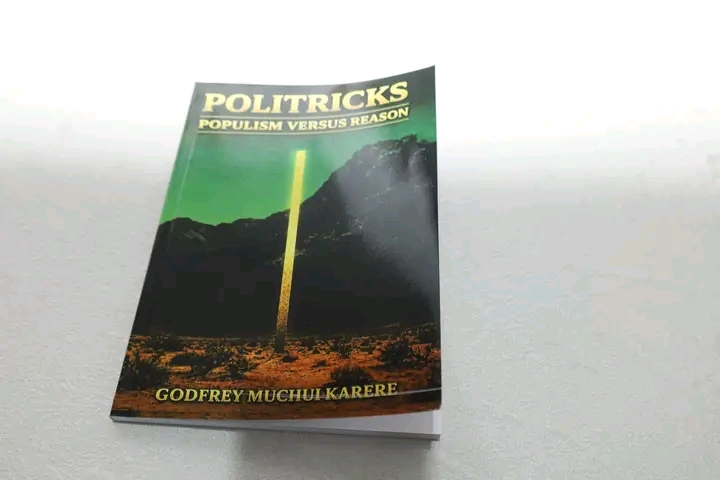
He urged readers to use the book as a platform for discussing the country’s political direction rather than viewing it as entertainment alone.
“This is not just a book; it is a discussion we should have. Every five years, we regret our political choices, but when elections approach, we forget the past and are carried away by populism,” said Muchui.

The author expressed hope that the publication will encourage Kenyans, particularly young people, to think critically before making political decisions and to hold leaders accountable beyond election periods.
He said the themes explored in the book are relevant not only to Kenya but to many African countries facing similar political and governance challenges.
Edited by John Majau