Kenyans have been urged to embrace bamboo farming and value addition as a way of combating the effects of climate change while creating job opportunities.
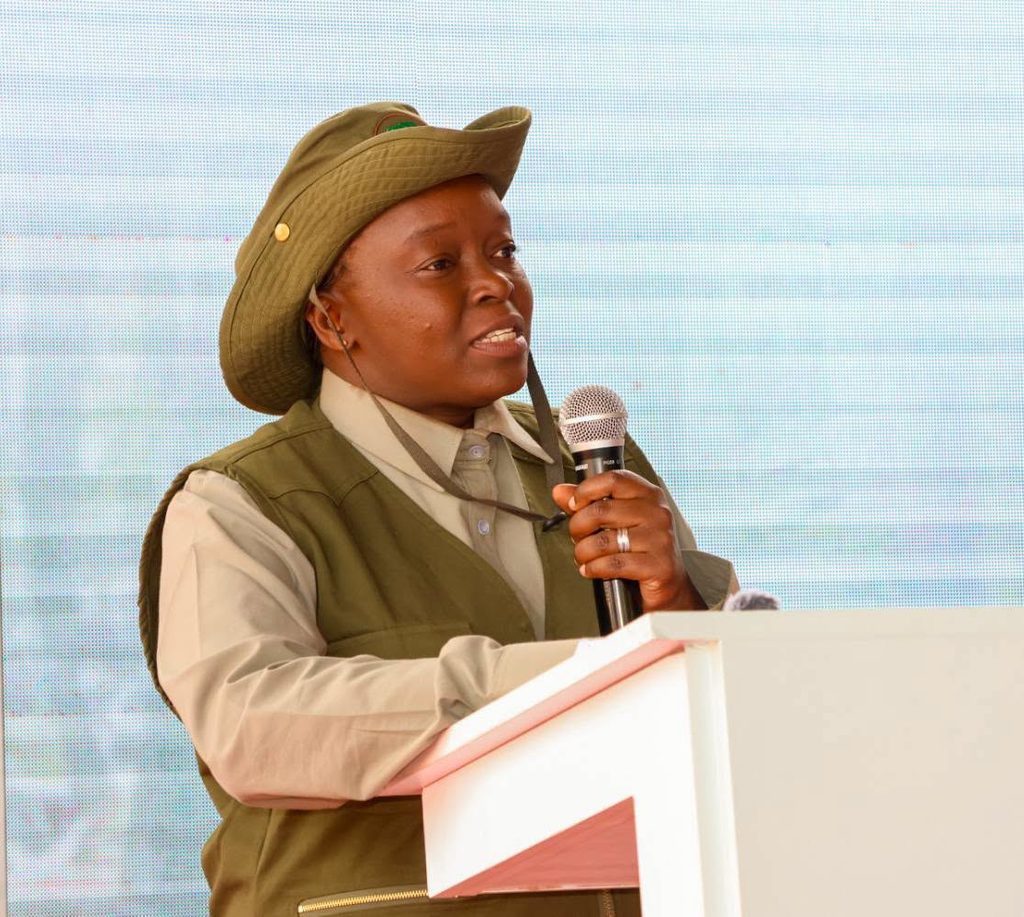
Speaking at Meru University of Science and Technology when she opened the country’s first Bamboo expo and conference, Cabinet Secretary for Environment, Climate Change and Forestry, Deborah Barasa, said the bamboo value chain has the potential to create millions of jobs and support livelihoods.
Dr. Barasa said the government has set the pace by recognizing bamboo as a cash crop and development of the National Bamboo strategy and action plan for 2025 – 2035.
She said Kenya was rushing against time to learn from countries such as China and India as well as Ethiopia which earn billions from the bamboo subsector.
“Closer home in Ethiopia bamboo supports about eight million jobs while in Ghana they have created more than one thousand jobs through the bamboo sector, ” she said.
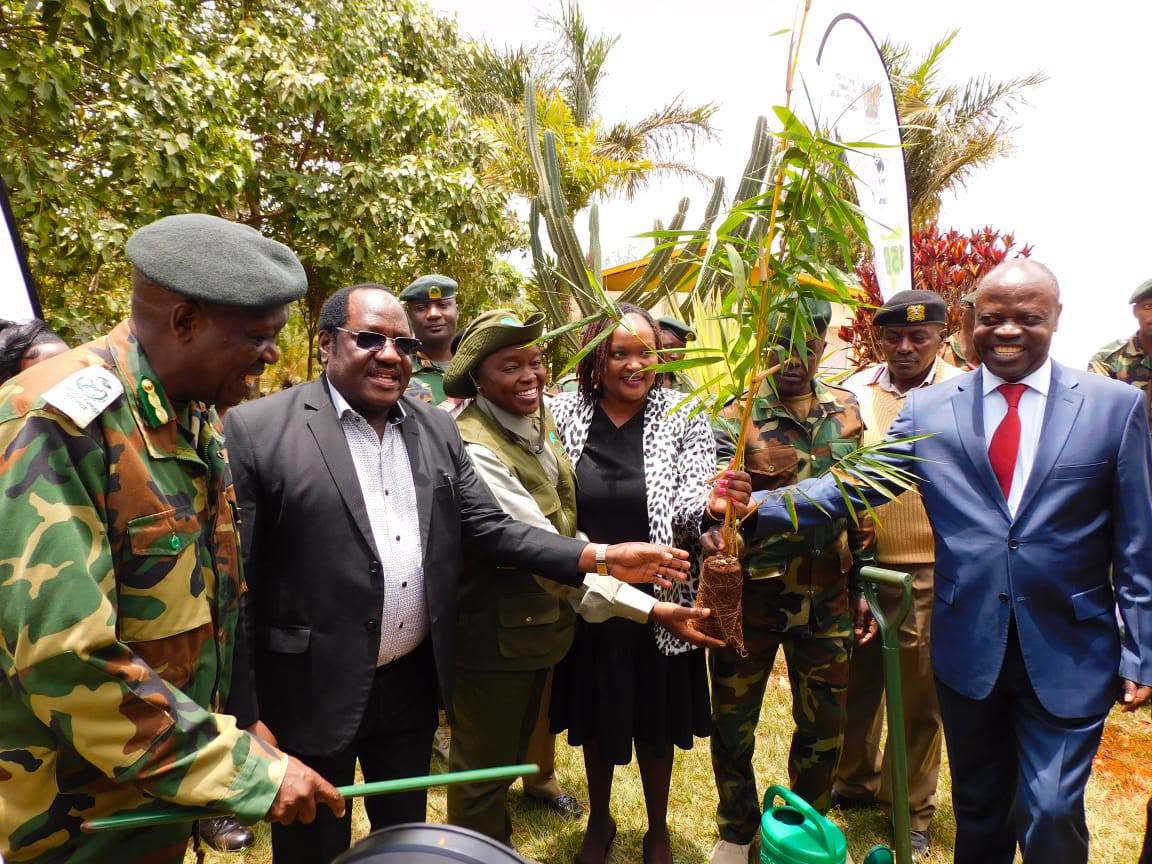
Under the National Bamboo Development Strategy and Action Plan 2025–2035, Kenya hopes to put more than 150,000 hectares of land on bamboo by propagating 10 million seedlings in local nurseries every year.
“This target is not simply about increasing the area under bamboo. It is about building a functional sector that creates markets for farmers, raw materials for industry, opportunities for entrepreneurs and jobs for our young people,” the CS said.
She said this is expected to help achieve the 15 billion trees agenda and create up to 750,000 jobs by positioning bamboo as a viable, fast-growing alternative to timber for construction materials, furniture, paper, textiles, and renewable energy.
“Bamboo is more than a tree, it is a climate solution, an economic opportunity and a pathway to dignified jobs for thousands of Kenyans. Kenya is now turning its bamboo resources into action restoring landscapes, empowering communities and building a competitive green industry for the future,” Dr Barasa said.
The CS challenged researchers to take a greater interest in the areas of bamboo production and processing.
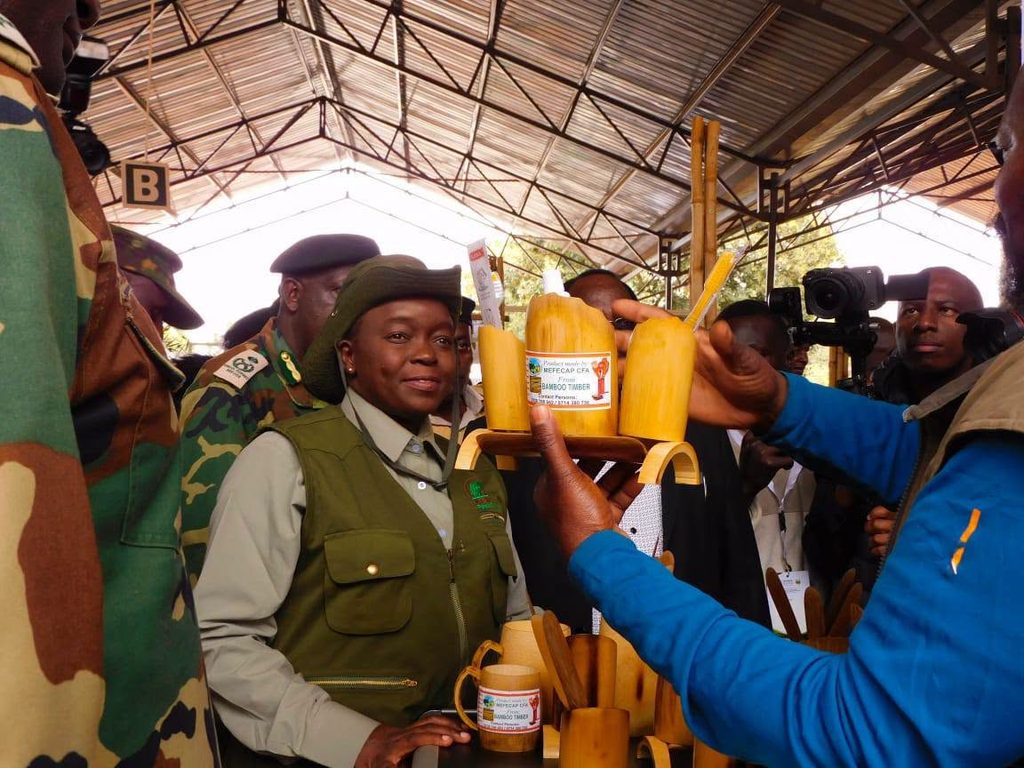
According to Bamboo Association of Kenya chairman Victor Mwanga, Kenya could save big on its wood import bill by enhancing production of bamboo timber.

“We are already producing bamboo timber in small numbers. This is product is more tensile than hardwood which take hundreds of years to grow. We could reduce pressure on our indigenous trees by focusing on bamboo timber. What we need now is equipment for mass production,” Mr Mwanga said.
Currently, Kenya has over 130,000 hectares of natural and planted bamboo trees.
Meru university Vice Chancellor, Prof Romanus Odhiambo, said the university is undertaking various research initiatives aimed at addressing the effects of climate change and equipping Kenyans with knowledge and solutions, with bamboo planting and production being among them.