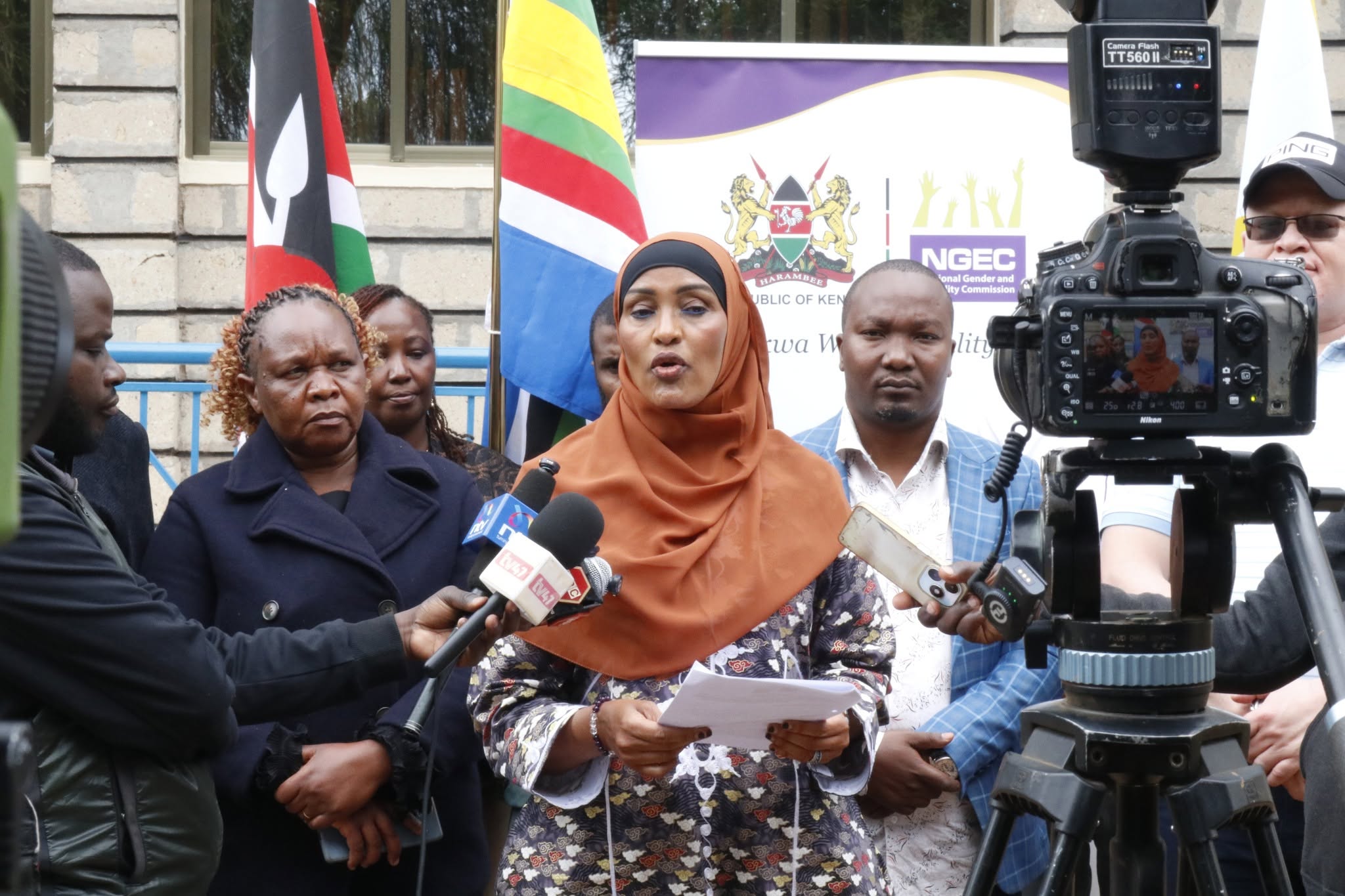
Women remain largely cut off elective political leadership in Kenya with National Gender and Equality Commission (NGEC) flagging Meru, Kisii and Nyamira as some of the worst performing counties.
According to NGEC chairperson Rehema Jaldesa women won only two of 56 non-reserved elective positions in Meru in the 2022 General Election, one of 56 in Kisii and none of the 26 positions in Nyamira.
In Meru no woman has been elected senator or constituency MP since 1975 when AnNarita Karimi won the Meru Central parliamentary seat, before she lost it after being jailed.
Only one women was elected to the county assembly which comprises 45 elected ward representatives.
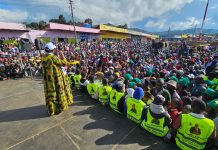
The figures emerged as NGEC opened three-day grassroots dialogues in the three counties to examine barriers facing women, youth and persons with disabilities, who are seeking political leadership ahead of the 2027 General Election.
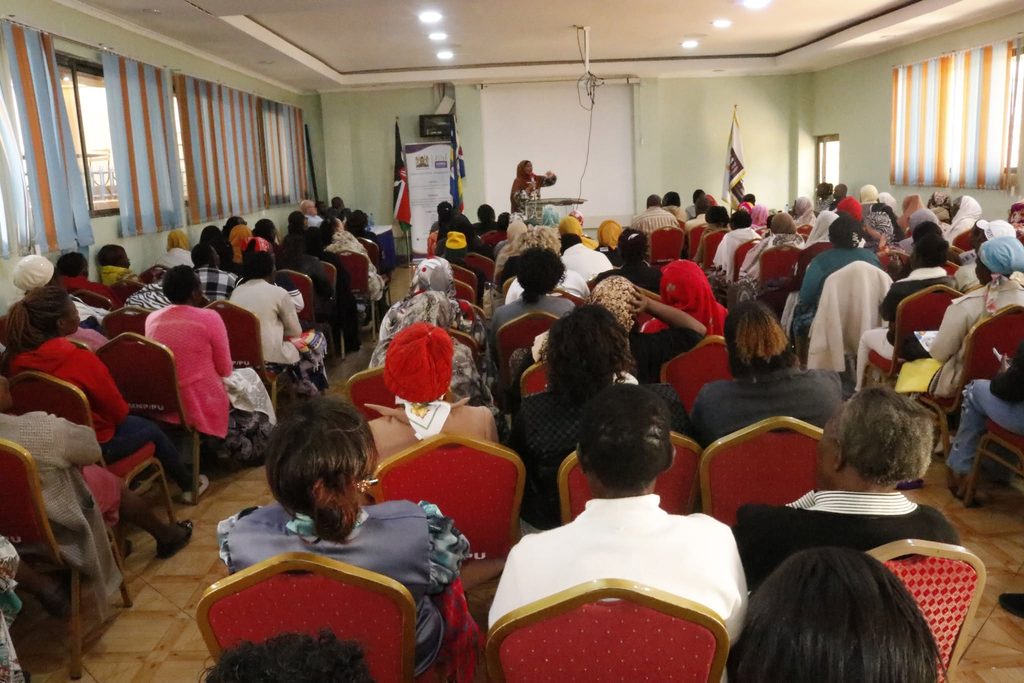
The dialogues will focus on gender-based violence, political party practices, campaign financing, patriarchal norms and other factors affecting women’s participation.
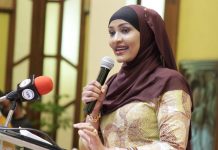
Ms Jaldesa, who is leading the Commission’s engagements in Meru, said the low number of women elected in the three counties points to barriers that must be addressed before the voting stage.
“The barrier operates before the ballot rather than at it. In Nyamira, the only woman elected at county level in 2022 was County Woman Representative Jerusha Momanyi, a reserved position. In Meru, only one woman was elected as MCA while the first woman governor in the county was impeached,” Ms Jaldesa said.
She noted that the dire situation is reflected nationally, where women account for 1,962 of the 16,100 candidates cleared to contest elective positions in 2022, translating to about 12 per cent.
“Once the candidates reached the ballot, the success rate for women and men was almost identical, at about 11 per cent each. This means if we have more women contesting for all political seats, we could achieve gender parity in elective seats,” the NGEC chairperson said.
The forums are meant to develop specific county actions, document the experiences of the different groups and examine how family and community expectations, political party practices, campaign financing and institutional arrangements influence women’s ability to seek and exercise political leadership.
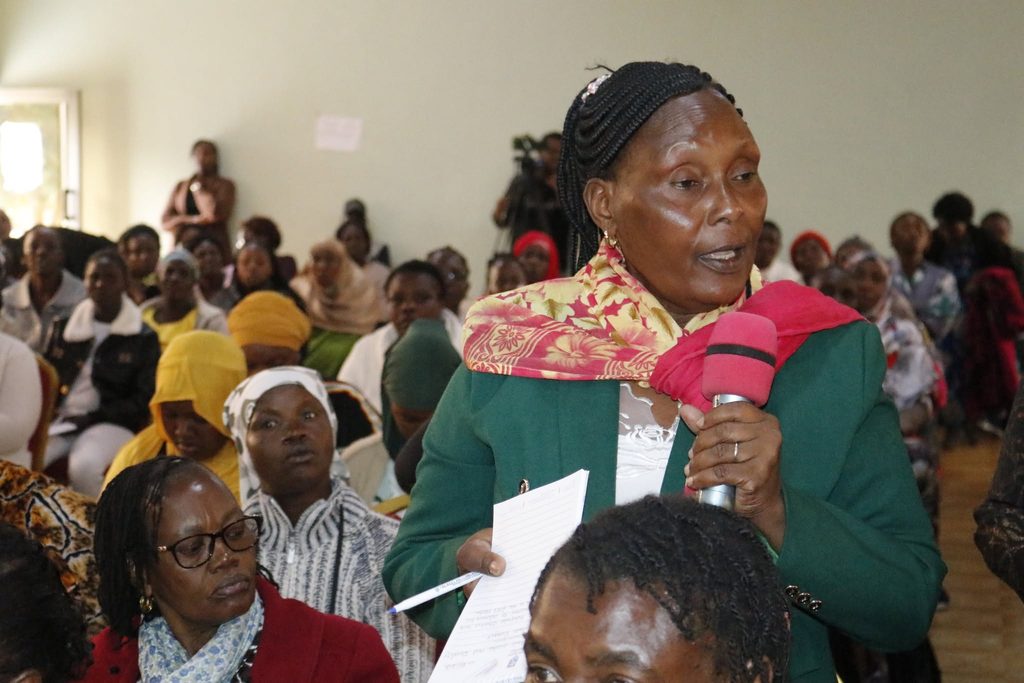
Ms Jaldesa said NGEC is also investigating gender-based violence against women in politics, including technology-facilitated violence, and assessing mechanisms for prevention, reporting, referral and accountability.
“We already have campaign monitors who are looking at how women are being treated. We are working with the electoral commission, the police and political parties to ensure special interest groups take part in politics,” she said.
The Commission urged political parties to use their nomination rules provide opportunities for women, youth, persons with disabilities, minorities and marginalised communities.
Ms Jaldesa said reducing party fees could help break a barrier that has historically kept many special interests group candidates out of politics.
“We urge political parties to publish nomination rules in accessible formats and local languages before the rules are certified in October. We laud the move by several political parties to reduce aspirant registration fees for women, youth and persons with disabilities, in some cases by half across elective positions,” she said.
The commission also wants parties to extend fee reductions to all Special Interest Groups, including older people and members of minority and marginalised communities.
NGEC has further called on parties to comply with gender and special-interest representation requirements.
It also wants political parties to allocate at least 30 per cent of the Political Parties Fund to the representation of women, persons with disabilities, youth, ethnic and other minorities and marginalised communities.