Kenya is stepping up efforts to diversify its export markets, add value to locally produced goods and exploit emerging trade opportunities as it targets to raise export earnings to Sh1.5 trillion by 2028.
The Kenya Export Promotion and Branding Agency (KEPROBA) says expanding into new markets across Africa, Europe, Asia, the Middle East and the Americas will help reduce overreliance on traditional destinations and increase earnings for Kenyan producers.
Kelvin Nkai Lemaiyan, Principal Officer in charge of Export Trade Market Research and Innovation at KEPROBA, said the country currently generates about Sh1.1 trillion in export revenue, with earnings growing by an estimated 10 per cent.
Nkai said the country needed to diversify its markets and increase value addition to turn its export potential into greater economic returns.
“Kenya has the potential, but we need market diversification and value addition on our products to turn that potential into prosperity,” he said.

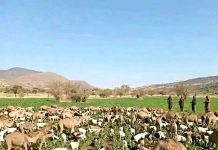
He spoke during a media workshop organised by KEPROBA in partnership with Make It Kenya and UK International Development at Alba Hotel in Meru town, he said Kenya exports a wide range of products, including flowers, tea, avocados, goat and sheep meat, cement, coffee, dairy products, processed foods and petroleum oil among others.
He identified inadequate value addition as one of the major challenges facing Kenyan exports, noting that products such as tea were often exported in bulk, denying the country opportunities to earn more through processing and branding.
He cited Brazil as an example of a country that benefits from adding value to its products before exporting them.
Other challenges include tariff barriers, compliance requirements and limited direct cargo connections to some African markets.
Nkai said the lack of direct cargo flights to destinations such as Nigeria, Senegal and Cameroon made it difficult to transport Kenyan products, including tea and coffee, to those markets.
He said KEPROBA was working with TradeMark Africa, the Agriculture and Food Authority (AFA) and the Kenya Plant Health Inspectorate Service (KEPHIS) to address some of the obstacles affecting exporters.
The agency is also encouraging businesses to take advantage of trade agreements and strengthen the global presence of Kenyan products.
Nkai said KEPROBA was bridging information gaps by helping farmers and businesses understand the products they could export to specific markets, including the United Kingdom, as well as the standards and requirements they must meet.
He said the agency was keen to expand opportunities in emerging markets while maintaining Kenya’s existing export destinations.
Maureen Mambo, Director of Nation Brand Development and Marketing Communications at KEPROBA, said national branding was equally important in strengthening the country’s position in international markets.
She said the agency was working to shape Kenya’s image abroad through advocacy, sharing information on market opportunities and collaborating with other government departments.
Mambo said the national branding programme sought to promote patriotism, counter harmful stereotypes and build a strong reputation for Kenya internationally.
“Have you ever known Paris in France is the most unsafe city while New York is the dirtiest city, but they protect the image of their cities? We try our best to ensure target audiences love us,” she said.
She urged journalists to move beyond reporting crises and give attention to Kenya’s achievements and opportunities in science, culture, tourism, immigration, investment, creativity, enterprise and rural economies.
Mambo said the media should also follow up on the outcomes of events and highlight systems, accountability, peace and the everyday experiences of Kenyans to present a broader picture of the country.
Jonah Karanja, KEPROBA’s Brand Communications and Media Relations Officer, called for greater promotion of locally manufactured goods, saying consumers needed to identify and associate with Kenyan products.
He said the Made in Kenya trademark helps consumers identify locally produced goods and distinguish them in both domestic and international markets.