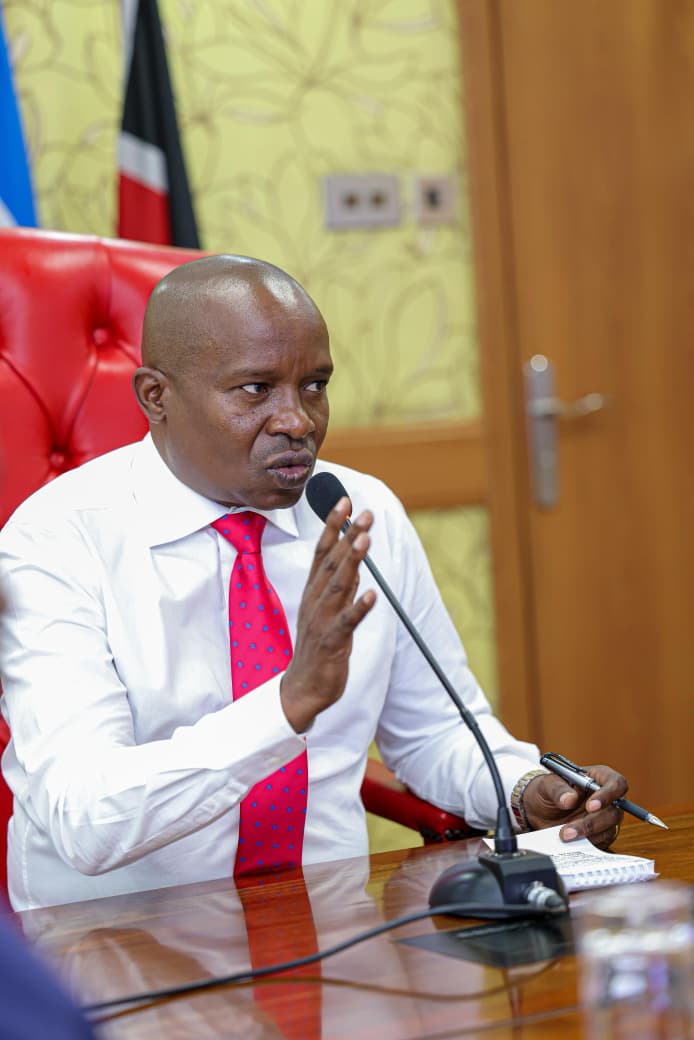
Deputy President Kithure Kindiki has assured Kenyans that the government has stepped up speedy efforts to combat the rising cases of gender-based violence (GBV) and femicide across the country.
Speaking on Thursday at Harambee House Annex in Nairobi, Prof. Kindiki announced that the government had begun implementing key recommendations contained in the report of the Presidential Technical Working Group on Gender-Based Violence and Femicide
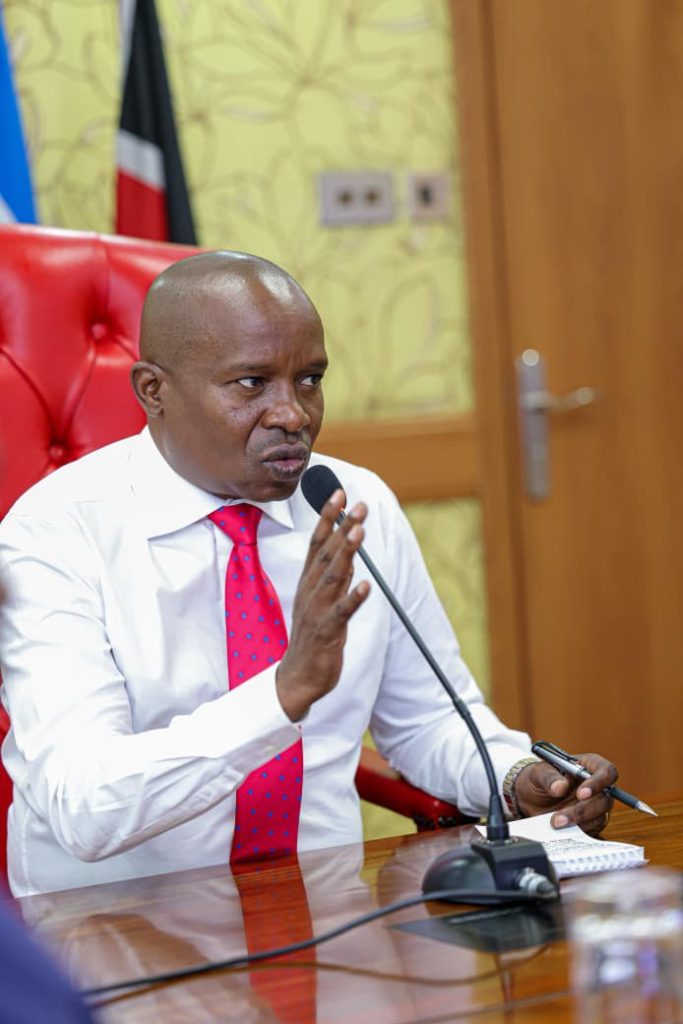
The DP said the administration remains fully committed to protecting women, girls and other vulnerable members of society from violence and abuse, describing the increasing cases of femicide as a national concern that requires urgent intervention.
“I reaffirm the commitment of the government to make sure we roll back the worrying statistics of gender-based violence and femicide in our country,” he said.
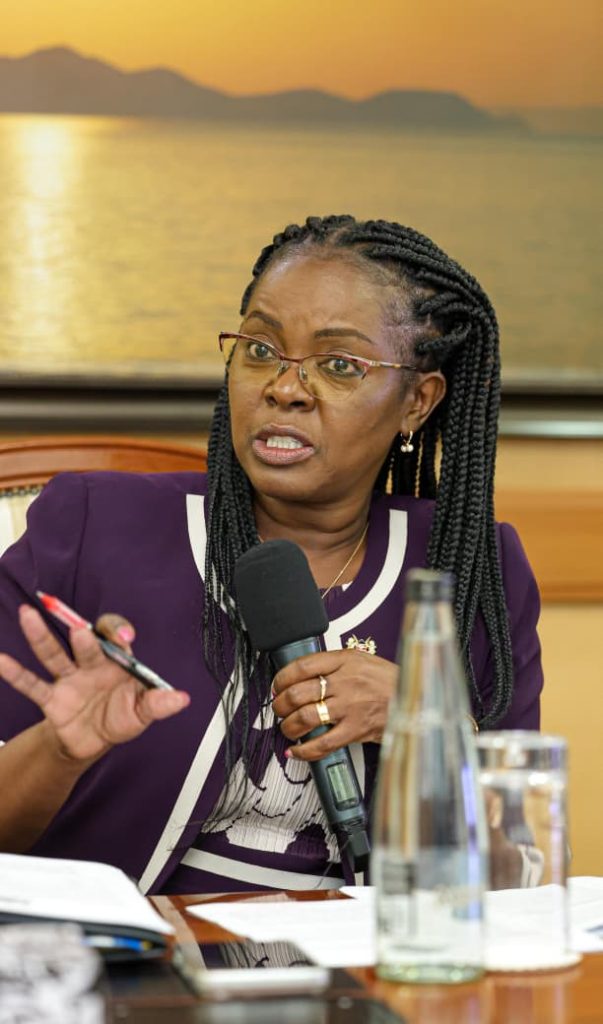
Accompanied by Gender and Affirmative Action Cabinet Secretary Hanna Cheptumo, Principal Secretary Anne Wang’ombe and senior ministry officials to review progress of the report, Kindiki noted that the President had directed the fast-tracking of legal, policy and administrative measures aimed at addressing the growing cases.
According to the DP, some of the recommendations are already being implemented through administrative action, while others require Cabinet approval and legislative backing before they can be fully rolled out.
“The government is concerned with the repeated cases and reports of the killing of women in brutal and horrendous circumstances. We take these cases seriously because they are harming our nation-building and the progress we are making in development,” he said.
He added that all government agencies had been mobilised to ensure the recommendations are translated into concrete action, emphasizing that the fight against GBV and femicide requires a coordinated approach involving national and county governments, security agencies, civil society organisations and communities.
The second in command said recommendations that do not require legislative amendments are already being implemented, while those requiring policy and legal changes are being expedited through the relevant government processes.
“We are taking the recommendations of the technical working group seriously. The implementation is on course on the issues that do not require Cabinet or Parliament approval,” he said.
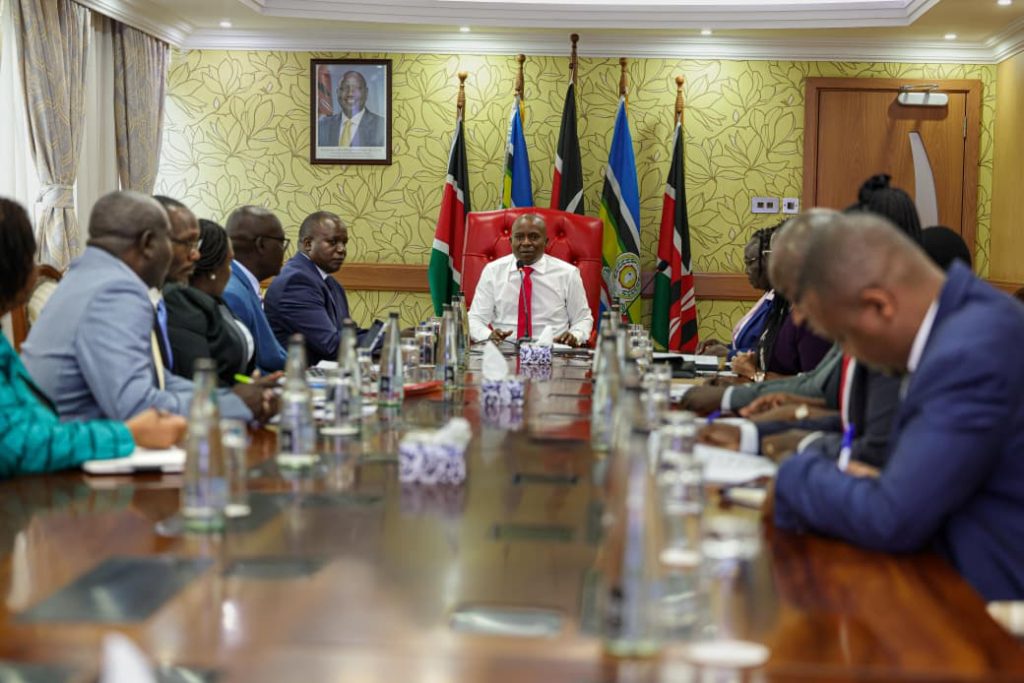
The second in command at the same time directed the Gender Ministry to quickly finalise policy proposals and draft legislation for consideration by the Cabinet before they are forwarded to Parliament for debate and approval.
“There is a need for Cabinet approval for the proposed legislation and policy interventions so that we can submit government-backed documents to Parliament. In the meantime, we are implementing measures that do not require legislation or policy approval,” he stated.
He further noted that implementation of the report would support Kenya’s efforts to ratify the African Union Convention on Ending Violence Against Women and Girls, which was adopted during the 38th Ordinary Session of the Assembly of Heads of State and Government in February 2025.
The convention seeks to strengthen legal and institutional frameworks across Africa to protect women and girls from all forms of violence and discrimination.
Prof. Kindiki said Kenya must continue creating a safe environment for all citizens, regardless of gender, age or social status.
“As much as we are pursuing national development goals through better infrastructure, improved education, roads and healthcare, we also have a bigger responsibility to build a country that is safe for everyone both men, women, children and all members of society,” he added.
He called on citizens, religious leaders, community organisations and families to play an active role in preventing violence and protecting vulnerable individuals.
The Deputy President at the same time disclosed that the government was working on measures to address the increasing number of missing children cases reported in different parts of the country.
He said enhanced coordination among security agencies, child protection institutions and community structures would help strengthen efforts to safeguard children and improve response mechanisms whenever cases are reported.