In a remote semi-arid village in Samburu County, a new safari is gaining traction: astro-tourism.
Once seen as complex and unlikely by locals, it is now a global attraction, drawing tourists to explore African skies after game drives in Samburu National Reserve, famed for its unique wildlife.
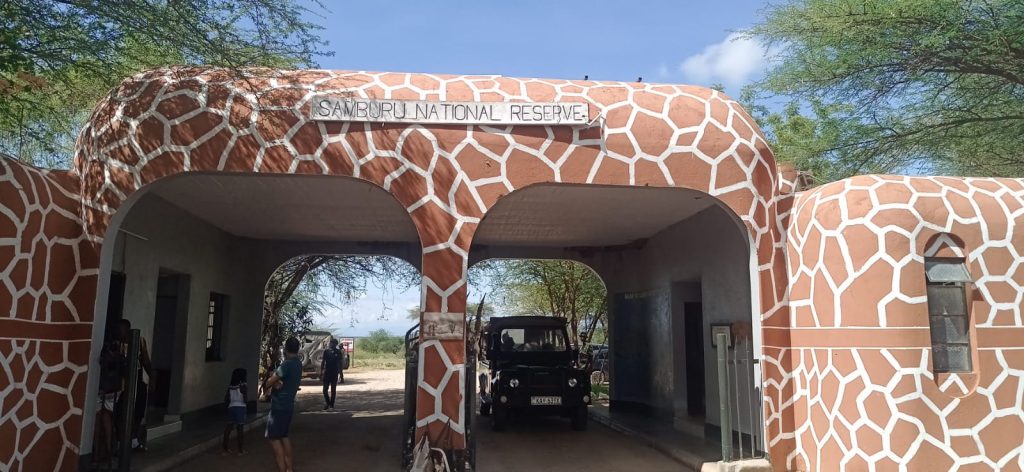
Astro – tourism was launched at Sopa Lodge in Samburu National Reserve by Tourism CS Rebecca Miano in September 2025, a move that Director Tom Lmakinya Lesarge says has greatly increased the number of international tourist who come to the park.
He said today, they come for something more; a rare union of science, culture and nature that is quietly transforming this remote corner of northern Kenya into a global destination.
According to a 60-year-old Munteli Lalparasoroi, a conservationist and resident the concept of astro-tourism was initially difficult to grasp. The idea of studying the sky through advanced technology felt distant from her everyday life environment.
But she says what once sounded ‘strange’ to the community is now a lived reality for residents of Samburu County in a region long celebrated as the home of ‘Samburu Special Five.
Lalparasoroi says in past generations, the Samburu used to read the stars for navigation, storytelling and seasonal patterns. Today, that traditional wisdom is being integrated into modern astro-tourism experiences, creating a narrative that is both scientific and deeply cultural.
‘It is a unique experience yet promoting our culture because you are not just looking at stars but understanding them through both technology and Samburu tradition,” she added.
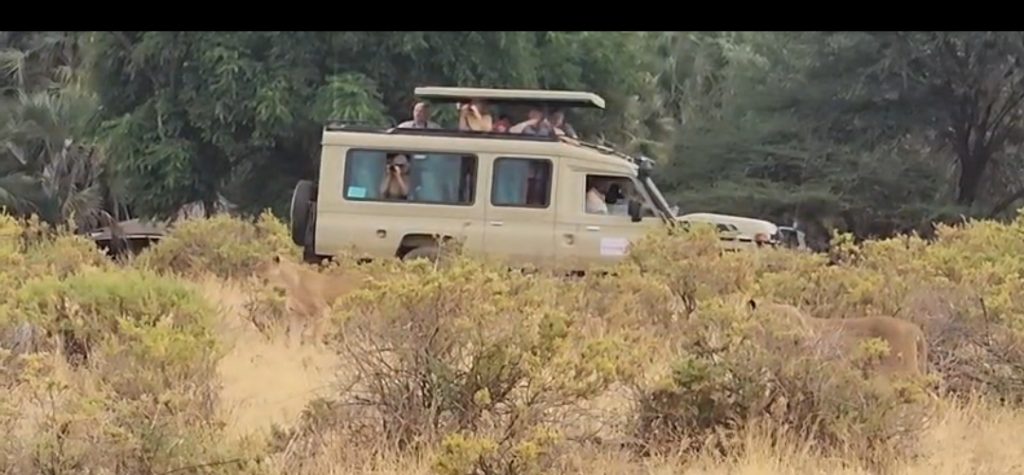
Today, she watches in quiet amazement as streams of safari vehicles make their way into the reserve not only for many elephants and rare antelopes, but for the starry nights.
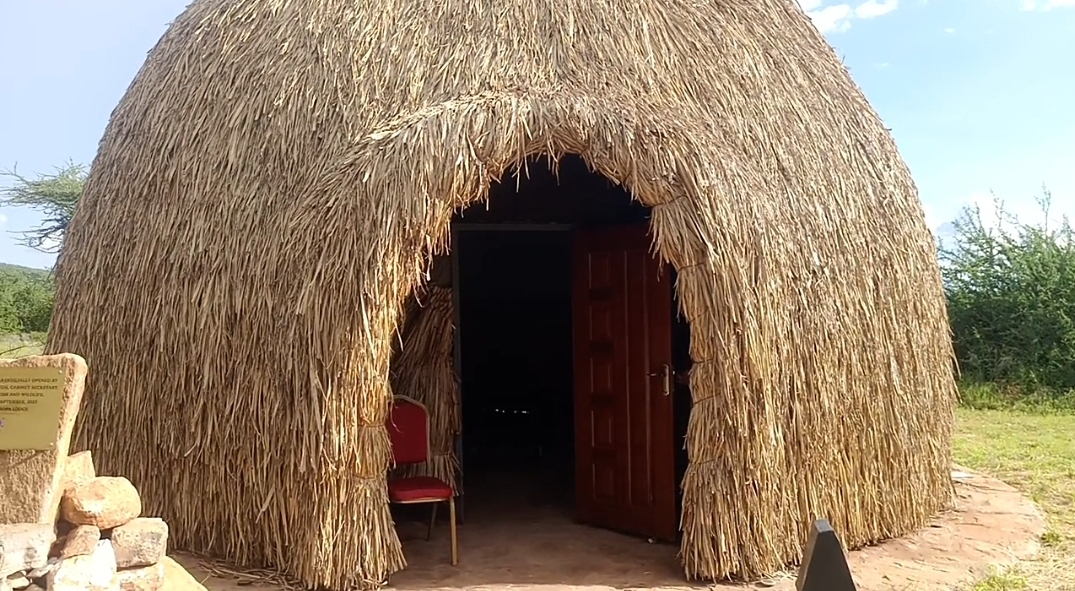
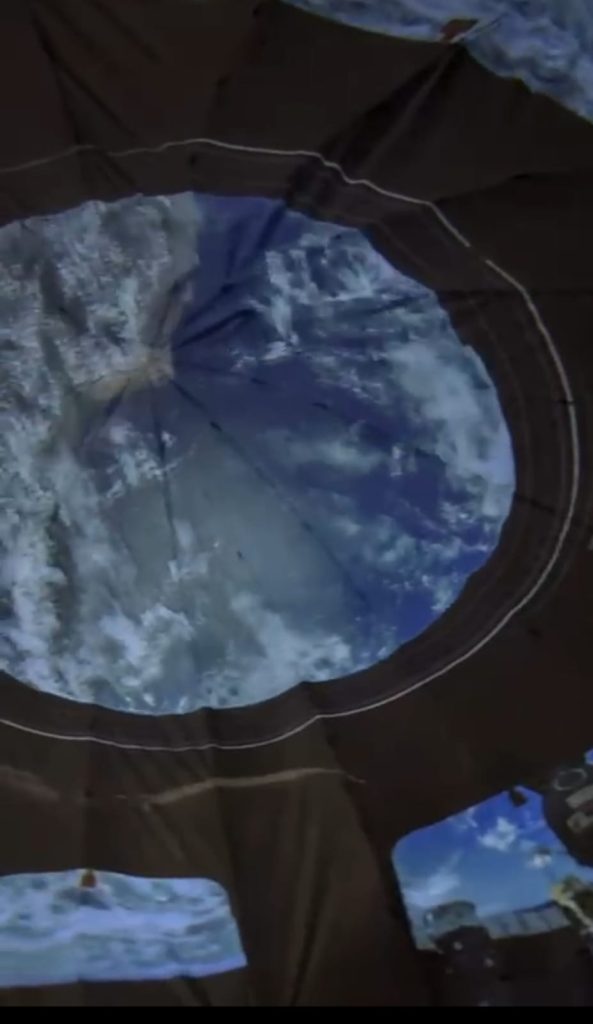
After a long game drive, tourists gather at the traditional Manyatta culture blended round hut to gaze at the skies guided by digital imaging tools that bring distant galaxies closer than ever before.
Though Lalparasoroi is yet to personally experience the technology, she understands its impact.
“This Astro-tourism has put Samburu on the global tourism map and has improved the economy of our region,” said Lalparasoroi.
Her observation is echoed across the community.
Njumaa Learpoora, a skilled beadwork artist known for her intricate “shanga” creations, says her business has flourished since the introduction of astro-tourism.
She says this is because more visitors arrive and stay longer, leading to a surge of demand for local crafts and creating new economic opportunities for residents.
” I first watched the skies during the launch of astro-tourism. I saw wonders because I could see the stars at close range. What looked like a Manyatta with a white umbrella shaped had so much magic. I could not believe my eyes that day,” noted Learpoora.
At the heart of this transformation is an ambitious initiative launched in September 2025 at Sopa Lodge within Samburu National Reserve. Spearheaded by Tourism Cabinet Secretary Rebecca Miano, the project marked the introduction of Kenya’s first astro-tourism hub and only the second of its kind in Africa.
Sopa Lodge Director Tom Lmakinya Lesarge says the impact of the launch was immediate as it diversified the famous Samburu Special Five – the Grevy’s Zebra, Reticulated Giraffe, Beisa Oryx, Gerenuk and Somali Ostrich.
“Astro-tourism is a whole game changer. The diversification of the Samburu Special Five and the many elephants in the reserve has given the park a new identity globally,” Lesarge says.
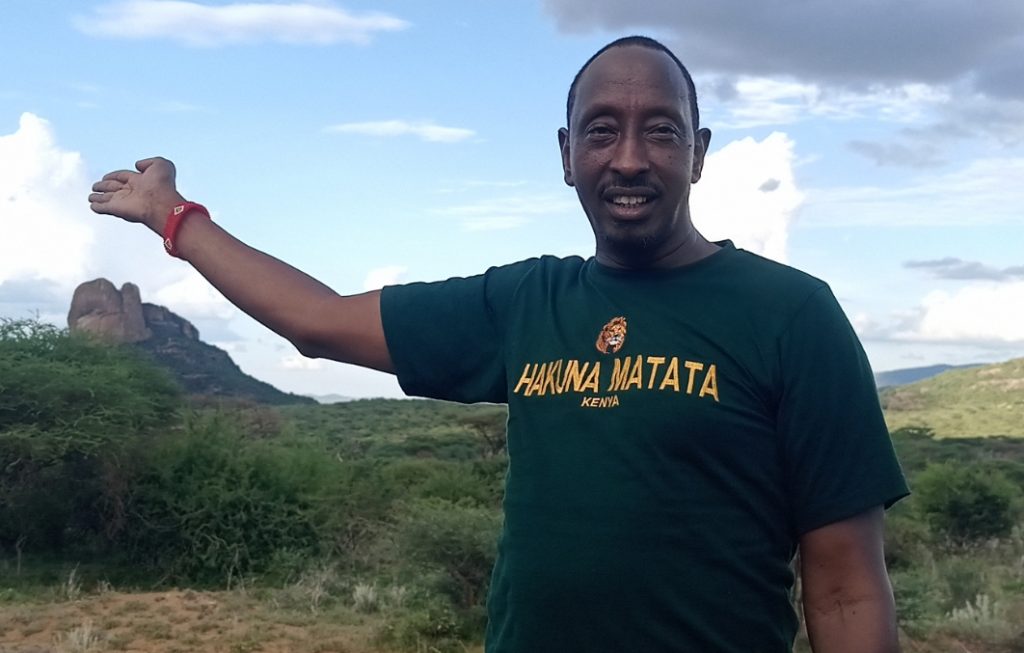
He notes that astro-tourism, a rapidly growing niche globally, centers on sky-related activities such as stargazing, astrophotography and the observation of celestial events.
Speaking the director noted visitors are drawn not only by the science but by a deep, almost primal curiosity about the universe.
“This is more than sightseeing it is about connecting with the cosmos witnessing the universe in its purest form,” he noted .
Walter Murithi, the Sopa Lodge Manager said they have continued to receive international tourists from Spain,Canada ,United Kingdom ,USA,India and Germany among others who he said are excited by studying the African skies after the launch of astro-tourism a move he added has improved the economy of the region.
Kenya’s geographical position near the equator gives it a unique advantage since visitors can view constellations from both the northern and southern hemispheres throughout the year.
“Combined with minimal light pollution and vast open landscapes, the region offers some of the clearest night skies in the world. However, what sets Samburu apart is not just its skies, it is the blending of science with indigenous knowledge and conservation,” he says.
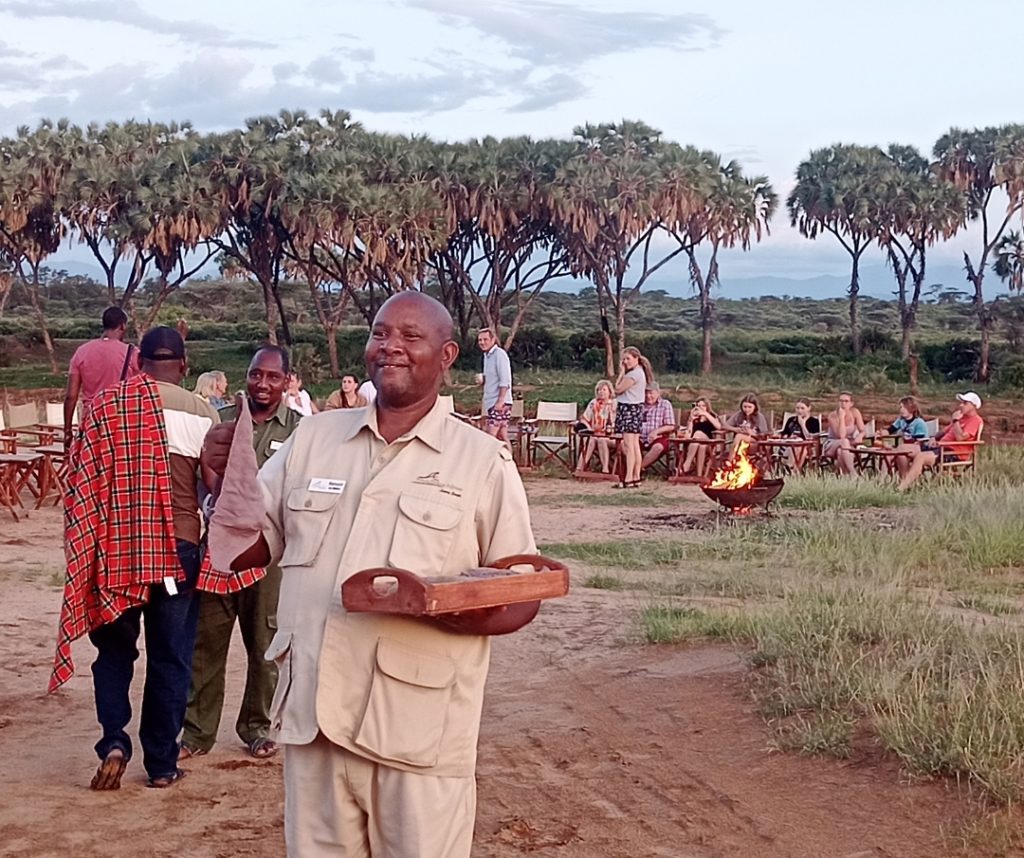
However beyond the skies, Samburu National Reserve remains a vital sanctuary for wildlife.
Situated along the banks of the Ewaso Ng’iro River, the reserve spans 165 square kilometers and is home to some of Africa’s rarest species. Among them is the Grevy’s zebra, an endangered species with fewer than 3,000 individuals remaining in the wild.
Native to northern Kenya and parts of southern Ethiopia, the species faces threats from drought and disease, including anthrax.

Other distinctive animals include the Reticulated giraffe, Somali ostrich, Beisa oryx, and gerenuk species uniquely adapted to the region’s harsh conditions.
Predators such as lions, cheetahs, and leopards roam the landscape, while the river sustains Nile crocodiles and a rich diversity of birdlife, with over 350 species recorded.
This biodiversity, combined with the reserve’s growing reputation as an astro-tourism hub, has significantly increased visitor numbers both local and international tourists are contributing to rising revenues for Samburu County.
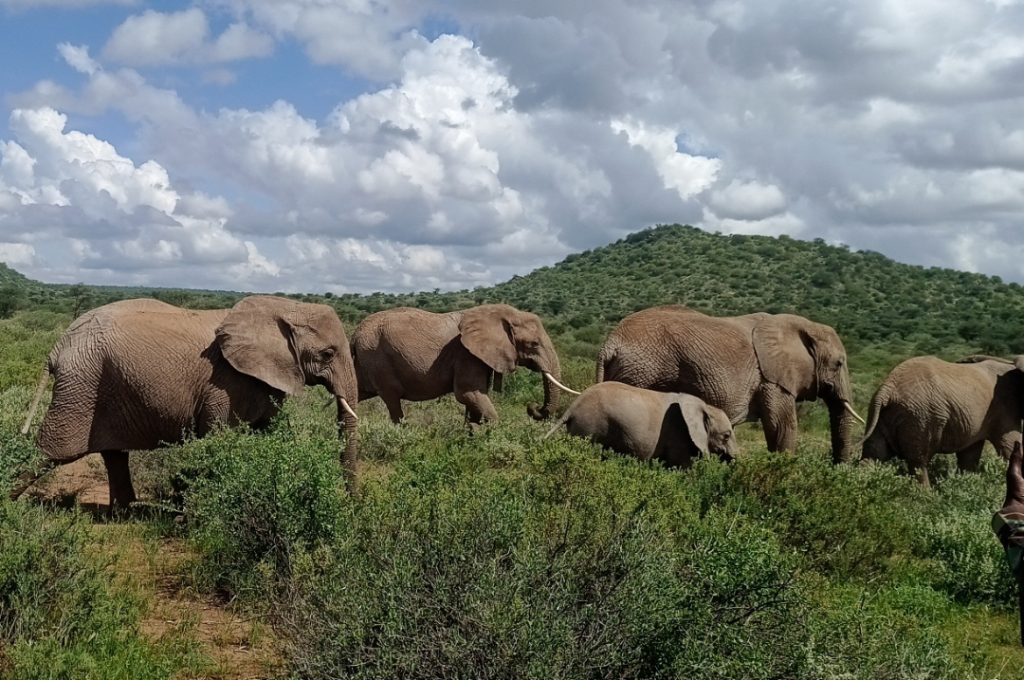
However beneath this success story lie complex challenges; climate change has intensified drought cycles, reducing forage and threatening wildlife survival.
According to the Reserve senior officer, habitat loss driven by invasive plant species and land degradation, is further shrinking available ecosystems while growing human and livestock populations place additional pressure on the already fragile environment.
“The reserve is small and brittle if not managed carefully, these pressures could become an ecological crisis.” noted Lesarge.
To address these challenges, he noted conservation efforts are increasingly turning to technology.
One such innovation is Earth Ranger, a real-time monitoring platform that integrates data from GPS collars, camera traps, ranger patrols and remote sensors allow the rangers to track wildlife movements, detect threats and respond quickly to incidents such as poaching.
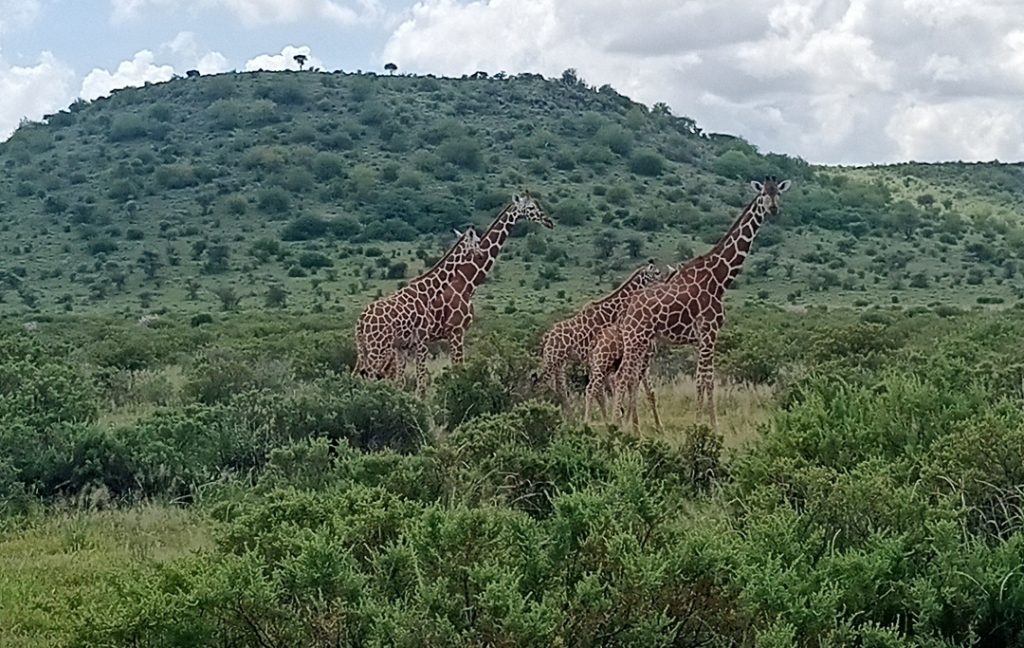
Equally important is the role of local communities; Samburu National Reserve accounts for just 0.8 percent of the county’s landmass, making community involvement essential for sustainable conservation.
Through initiatives supported by the Samburu County Government, local residents are actively engaged in wildlife protection and tourism development.
The Community Conservancies Fund Act of 2019 established a framework for supporting these efforts, with the county allocating approximately Sh150 million annually to community-based conservation projects.
Human-wildlife conflict, however, remains a persistent issue as animals venture beyond protected areas, they sometimes come into contact with livestock and settlements, leading to losses for communities.
To mitigate this, Lesarge said the Kenya Wildlife Service provides compensation schemes, while some conservancies, such as Namunyak, have developed internal support systems to assist affected families.
He pointed out that policy frameworks like the Community Land Act of 2016 further aim to strengthen land management at the grassroots level, requiring communities to develop and implement sustainable land-use plans.
Despite these challenges, the officer affirmed that the future of Samburu National Reserve appears promising with the integration of astro-tourism has not only diversified the region’s tourism offerings but has also redefined its identity.
” No longer is Samburu known solely for its wildlife but also it is now a place where the earth meets the sky or wildlife by day ,sky by night,” he said
Edited by DM