President William Ruto has announced that the government has put in place firm measures to cushion the country against potential disruptions on fuel and commodity supplies arising from the ongoing conflict in the Middle East.
Speaking in Nairobi on Thursday, the President assured Kenyans that consultations with regional partners and industry stakeholders are ongoing to ensure steady supply chains and avert shortages.
“As a government, we are working to mitigate and reduce the effects of the challenge we have in the Middle East. So far, we have made very good progress,” said Ruto.
He emphasised that authorities remain vigilant and prepared to act decisively against any attempts by traders to create artificial shortages for profiteering.
“We will not entertain artificial fuel shortages caused by individuals seeking to exploit the situation,” he warned.
The President noted that the government’s proactive approach includes close coordination with fuel importers and suppliers, as well as monitoring global market trends to anticipate and respond to shocks.
His remarks come amid growing global concern over the potential economic fallout of the Middle East conflict, which has already triggered volatility in international oil markets.
He added Kenya, like many other countries, remains vulnerable to external shocks due to its reliance on imported petroleum products.
The head of state however, expressed optimism that diplomatic efforts and international interventions could lead to a de-escalation of the conflict.
“We remain hopeful that through dialogue and other interventions, the situation will stabilise,” he said.
He cautioned that a prolonged conflict would have far-reaching consequences, not only for Kenya but also for regional and global economies, citing possible increases in fuel prices, inflationary pressures and disruptions in supply chains.
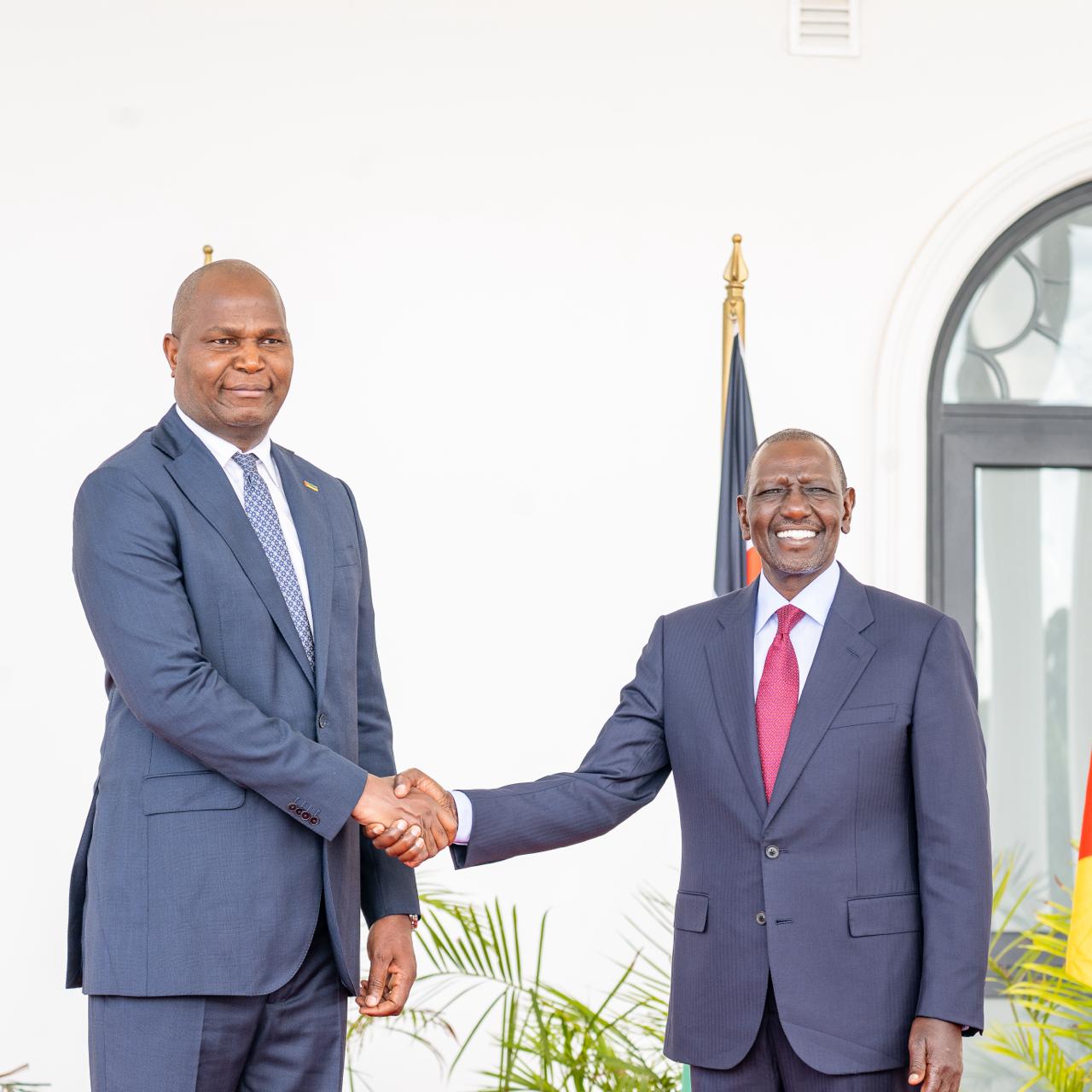
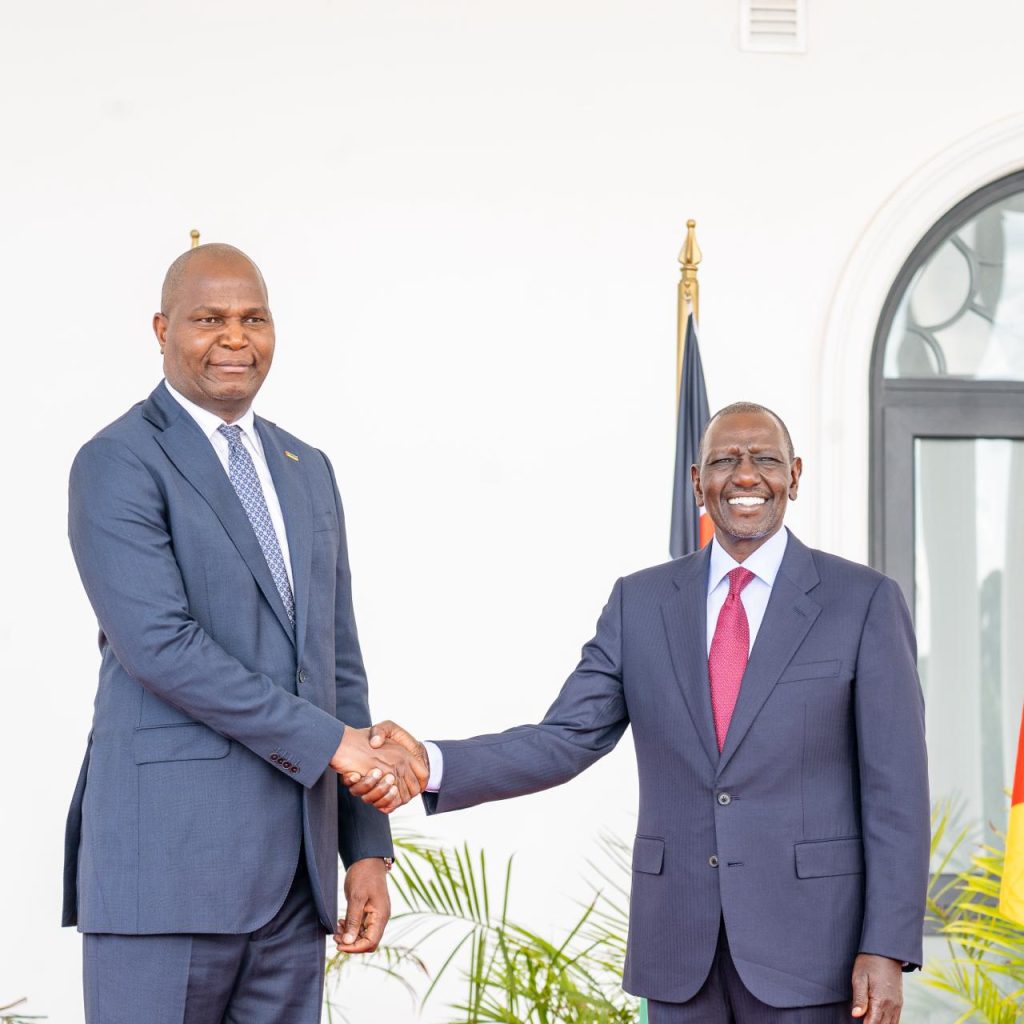
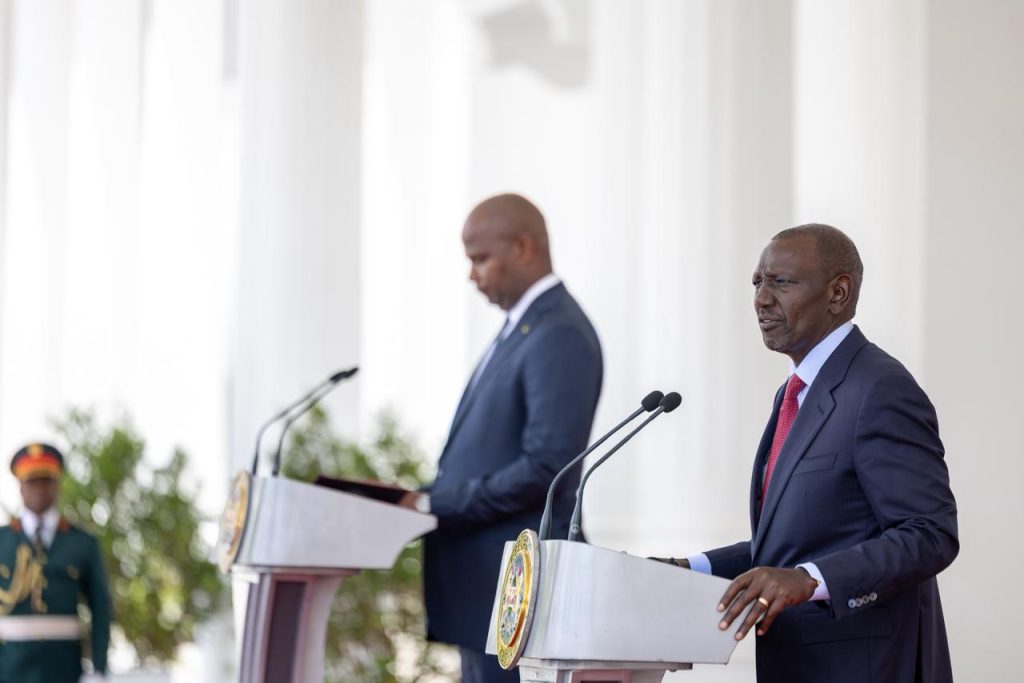
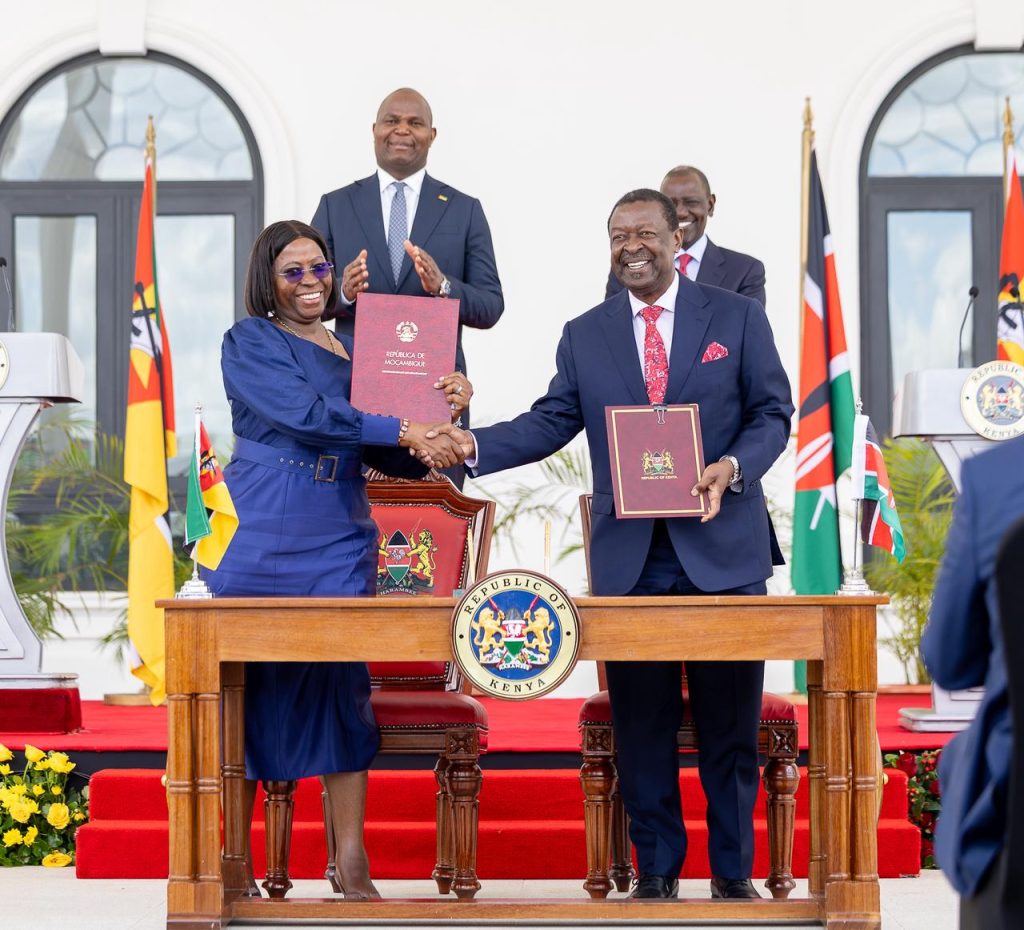
The Head of State spoke during a joint press briefing at State House, Nairobi, following bilateral talks with Mozambique’s President Daniel Francisco Chapo, who is on an official visit to Kenya.
The two leaders discussed areas of mutual interest, including trade, investment and regional stability.
President Chapo was also the chief guest at the 4th Kenya International Investment Conference held in Nairobi on Wednesday, where he underscored the importance of strengthening economic ties between African nations.
Meanwhile, President Ruto pointed to the government’s Government-to-Government (G-to-G) oil import arrangement as a key buffer against global fuel price volatility.
Introduced in 2023, the deal involves direct fuel importation agreements between Kenya and oil-producing nations in the Gulf, aimed at stabilising supply and easing pressure on foreign exchange reserves.
“Since we entered into the G-to-G arrangement, we have seen stability not only in fuel prices but also in the exchange rate,” the President noted.
Energy sector analysts have credited the programme with reducing speculative demand for dollars by oil marketers, thereby helping to stabilise the shilling and keep pump prices relatively predictable.
The President reiterated that the arrangement would continue to play a critical role in shielding the country from unpredictable global oil price fluctuations.
As global uncertainties persist, the government says it remains committed to safeguarding the economy and ensuring that essential commodities remain accessible and affordable to Kenyans.
Edited by John Majau