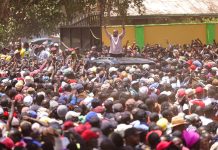
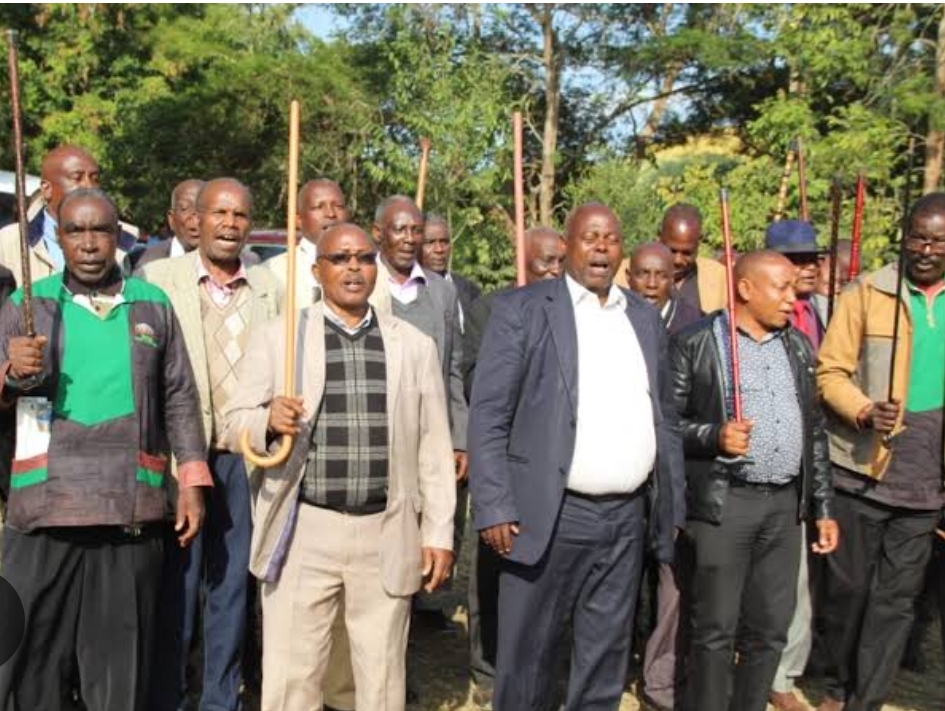
The Njuri Ncheke Council of Elders has warned leaders and residents of the Mt Kenya East region against joining the opposition, saying the move could weaken the region’s political bargaining power and derail its quest for greater influence ahead of the 2027 general election.
Speaking on Sunday, the council’s Secretary-General, Josphat Murangiri, said the region risks making a “grave” political miscalculation if it abandons the government arguing that such a move could jeopardise its chances of retaining the deputy president’s position and diminish its influence in national leadership.
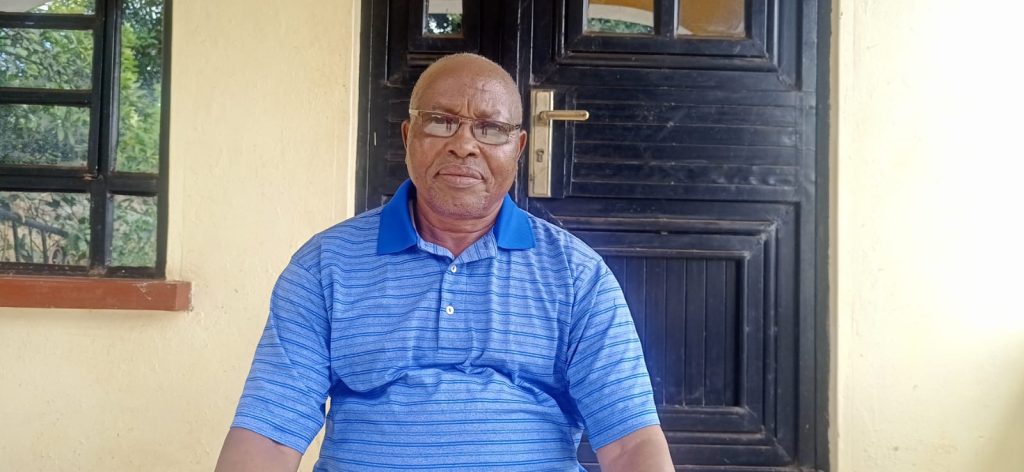
Murangiri noted the region currently enjoys a strategic position in government through DP Kithure Kindiki appointment adding the region should therefore focus on safeguarding its interests rather than pursuing uncertain political alternatives.
“It is unwise to imagine that the opposition has a better offer than what we already have. The deputy president’s position is one of the highest offices in the land and what we need is to protect what we have and strengthen our place in government,” said Murangiri.
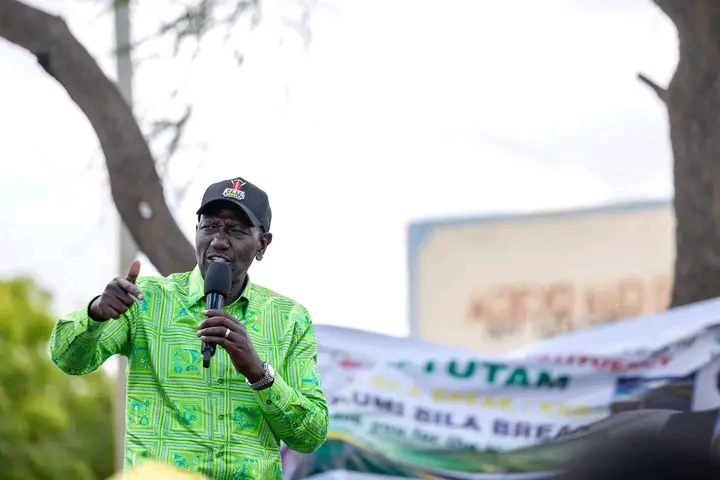
He urged residents of the region to rally behind President William Ruto and support his bid for a second term, arguing that doing so would enhance the chances of leaders from the region ascending to the country’s top leadership come 2032.
“If we want to remain close to power, we must support President Ruto’s re-election bid because that way, our son, Deputy President Kindiki, will stand a stronger chance of rising to the highest office in 2032,” he said.
Murangiri also warned against divisive politics, saying unity within the Mt Kenya East region would strengthen its political influence and bargaining power.
He noted that the region remains one of the country’s most significant voting blocs and should therefore remain united in defining its political direction.
“Unity is crucial Mt Kenya is a vote-rich region and when we speak with one voice, we are able to negotiate from a position of strength and secure greater benefits for our people,” he said.
The elder further defended the Kenya Kwanza administration, calling on Kenyans to exercise patience and allow President Ruto to implement his development agenda.
According to him, many of the government’s projects are aimed at transforming the country’s economy and improving livelihoods, noting some of the initiatives may take time before their benefits are fully realised.
However, he expressed concern over what he termed as an ambitious rollout of multiple development projects at the same time, saying the approach had contributed to increased taxation and placed pressure on ordinary citizens.
Murangiri observed that President Ruto, like his predecessors, is pursuing the goals outlined in Vision 2030 but at a much faster pace.
“Former President Uhuru Kenyatta also worked towards achieving Vision 2030, but projects were implemented progressively but the current administration appears determined to undertake many projects simultaneously and that has resulted in a heavier tax burden on Kenyans and this what we are advising the president to reconsider to ease the economic burden Kenyans are currently going through ,” he said.
Despite the concerns, he maintained that the government’s development agenda remained important and urged citizens to support ongoing programmes while offering constructive criticism where necessary.
The Njuri Ncheke official also called for greater inclusion of Mau Mau freedom fighters in national decision-making processes, arguing that they still possess valuable insights that can contribute to the country’s development.
He said many of the surviving freedom fighters played a critical role in Kenya’s liberation struggle and should not be sidelined when discussions about the country’s future .
“The Mau Mau veterans had a vision for this country. It is unfortunate that many of them are rarely consulted on matters of national importance despite them still having a wealth of knowledge and experience that can help guide the nation,” he said.
Mr Murangiri urged leaders at all levels to engage the freedom fighters more actively and ensure that their voices are heard in shaping policies and development priorities.