Meru County is undertaking a major expansion of its healthcare infrastructure, with 24 hospital and health facility projects aimed at improving access to specialised treatment, maternity care, diagnostics and emergency services across the county.
The investments are part of Governor Mutuma M’Ethingia’s efforts to address longstanding challenges in the health sector, including inadequate infrastructure, staff shortages and low motivation among healthcare workers-issues that have previously contributed to repeated strikes by health unions.
Meru County Director of Health Services Moses Baiyenia said healthcare infrastructure had been a major priority for the administration since Mutuma assumed office.
“Since Governor Mutuma came into office, he has embarked on a series of development agendas. Top on priority has been the Department of Health, which has previously been majorly faced by unending strikes,” Baiyenia said.
He said concerns raised by health unions had included poor infrastructure, inadequate motivation of health workers and staff shortages.
On infrastructure, Baiyenia said the county was implementing an elaborate programme to transform key hospitals and increase their capacity.
At the centre of the programme is the proposed Sh1.2 billion elevation of Meru Teaching and Referral Hospital to Level Six, with assistance from the national government.
Baiyenia said Kanyakine Sub-County Hospital, Miathene Sub-County Hospital and Nyambene Hospital were also in the process of being elevated to Level Five status.
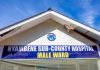
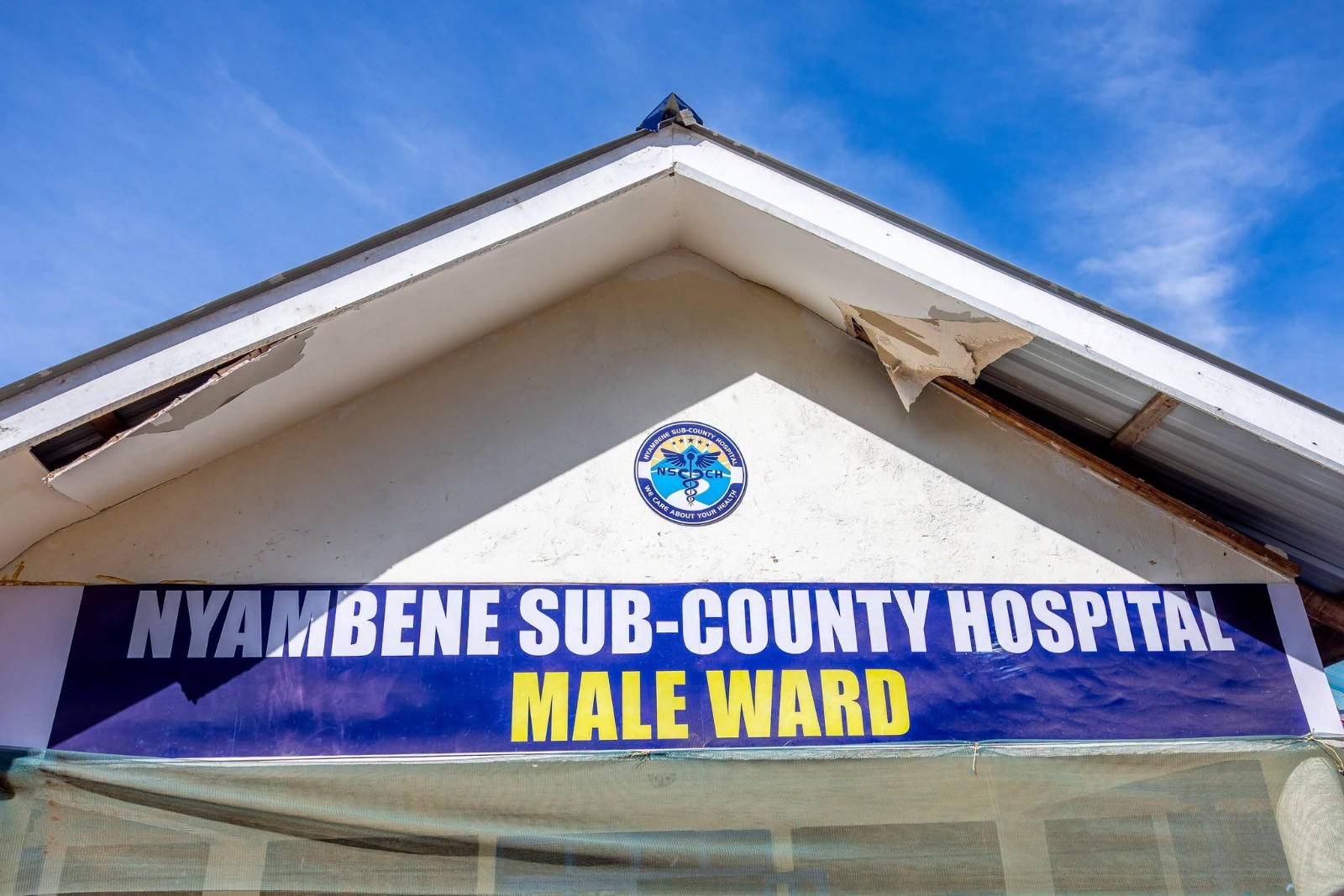
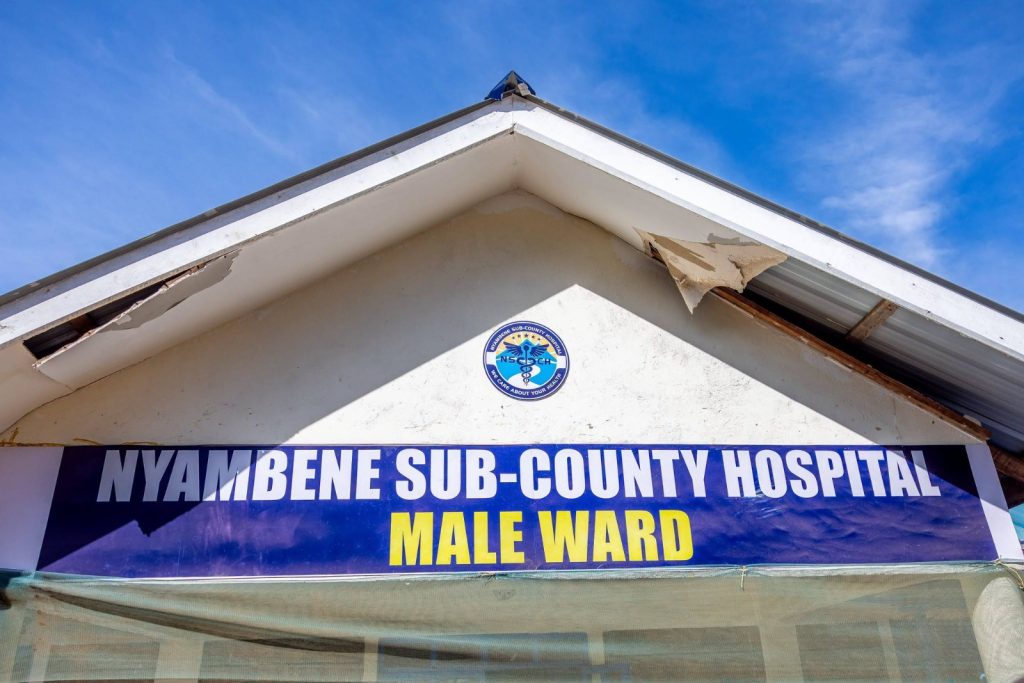
Among the key developments, he said, was the installation of a CT scan at Nyambene Hospital and completion of a male ward, which he described as the first of its kind in the Nyambene region.
The county has also completed a 129-bed inpatient block at Miathene Sub-County Hospital and installed an oxygen plant at the facility.
“These are among the mega projects in the three facilities,” Baiyenia said.
The investments extend beyond the major hospitals, with the county developing theatres, maternity wings, laboratories, oxygen plants, diagnostic facilities, mortuaries and inpatient wards in different parts of Meru.
One of the notable projects is the Mituntu maternity facility in Kianjai Ward, Tigania West, which is being developed with capacity to provide more comprehensive maternal and newborn services.
Baiyenia said the project would include a theatre, maternal intensive care unit and neonatal intensive care unit.
“This means the facility will be able to address all mother and newborn needs in the facility,” he said.
The development would enable Mituntu Health Centre to handle a wider range of maternal and newborn emergencies closer to the communities it serves.
Other maternity projects are being undertaken at Ngare Ndare Dispensary in Kisima Ward, Buuri; Muuti O Kiama Health Centre in Abogeta East; Nthambiro Dispensary in Igembe Central; Mweronkanga Health Centre in Akithi Ward, Tigania West; Lailuba Health Centre in Muthara Ward; and Limoro Dispensary in Athwana Ward.
A maternity facility is also planned at Kibiru in Athwana Ward.
At Mikumbune Sub-County Hospital in Nkuene Ward, South Imenti, the county is developing a theatre and other services, including a dental unit and male ward.
Mutuma recently said the hospital already offers maternity, theatre, laboratory, pharmacy, ultrasound, dental, ophthalmology and physiotherapy services.
The governor said the county was now adding a new surgical ward to create more capacity for patients requiring surgical treatment and recovery.
“This investment will strengthen the hospital’s ability to handle more cases locally and reduce the need for patients to travel far in search of treatment,” Mutuma said.
He also said the facility was well stocked with medicines and urged residents from Mikumbune and surrounding areas to make use of the hospital.
“Quality healthcare must not only be available, it must be accessible, reliable and close to the people,” he said.
At Githongo Hospital in Abothuguchi West, Central Imenti, the county is undertaking a theatre project alongside an oxygen plant and X-ray services.
Muthara Sub-County Hospital in Tigania East is also listed for a theatre and morgue, while laboratories are being developed at Mituntu Health Centre and Kibiru Dispensary.
The Timau Hospital Upgrade Programme in Buuri is another component of the county’s health infrastructure agenda.
In Kisima Ward, Ngusishi Dispensary has been completed and is awaiting operationalisation.
The governor said the priority was to ensure that completed health infrastructure was translated into accessible and dependable services for residents.
The expansion of county facilities is being complemented by national government support for major hospitals in Meru.
The Ministry of Defence has confirmed technical and engineering support for the proposed elevation of Meru Level Five Hospital and Nyambene-Maua Hospital. Nyambene-Maua is expected to move from Level Four to Level Five, with its bed capacity projected to increase from 147 to 257 beds.
At Meru Teaching and Referral Hospital, Mutuma says the transformation has already begun.
In his latest update, the governor said that when he assumed office on March 17, 2025, he found an ailing referral hospital, with some projects having stalled for years and infrastructure requiring urgent attention.
He said the county had lobbied for a Sh1 billion commitment to transform the hospital’s architecture and give it a modern outlook.
The county has also committed Sh46 million to complete an old storey building that had remained unfinished for more than 13 years.
Mutuma said an ultra-modern CT scan had been installed, the cancer unit inpatient block completed and chemotherapy services expanded from two days a week to throughout the week.
The improvements are intended to strengthen the hospital’s capacity to provide specialised care and reduce the need for patients to seek treatment outside the county.
The infrastructure programme is also tied to the wider health commitments Mutuma made when he took office.
At his inauguration, he pledged to work with the national government to improve healthcare access through the Social Health Authority, including paying health insurance contributions for the poorest and most vulnerable residents.
He also promised to strengthen preventive and promotive healthcare through Community Health Promoters, with the aim of reducing the burden and cost of treating illnesses.
Cancer care was another priority, with Mutuma pledging to work with Athletics Kenya to revive the Mount Kenya Run, which had been associated with fundraising for cancer patients.
His administration also identified establishment of a state-of-the-art cancer centre as part of its health priorities.
The governor further committed the county to programmes targeting HIV infections, gender-based violence and teenage pregnancies, working with development partners where necessary.
Baiyenia said the infrastructure expansion was being undertaken as part of the administration’s broader effort to improve healthcare delivery.
However, the success of the investments will depend not only on completing buildings but also on ensuring adequate staffing, medicines, equipment and operational budgets.
The concerns that have previously triggered disputes between health workers and the county—including staffing shortages, motivation and working conditions—remain important to the sustainability of the expanded facilities.
For residents, the measure of the investment will ultimately be whether patients can access specialised treatment closer to home, maternal and emergency cases can be handled promptly, diagnostic services improve and referrals outside the county decline.