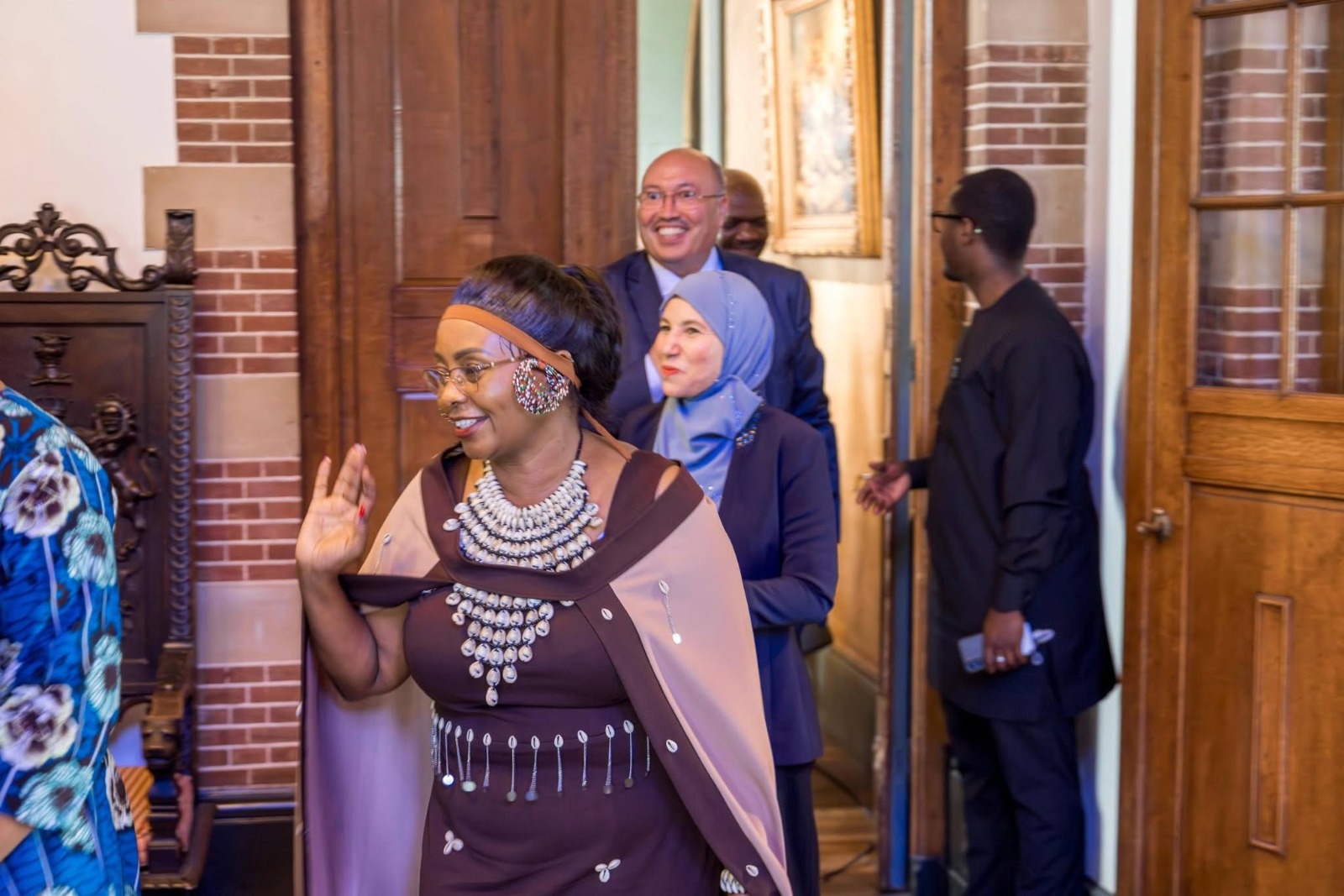
President William Ruto has the potential to steer Kenya towards first-world status if the country sustains investments in infrastructure, urban development and other long-term transformation programmes, Kenya’s Ambassador to the Netherlands Halima Mucheke has said.
Mucheke said Kenya had the human capital, resources and entrepreneurial spirit required to achieve developed-country status, but warned that the transformation would depend on sound policies, sustained investment and continuity in implementing development programmes.
“I firmly believe that President William Ruto is taking Kenya in the right direction towards a first-world future. The journey will not happen overnight, and there will inevitably be challenges along the way, but we must judge transformation by the direction we are taking and the foundations we are laying for the future,” she said.
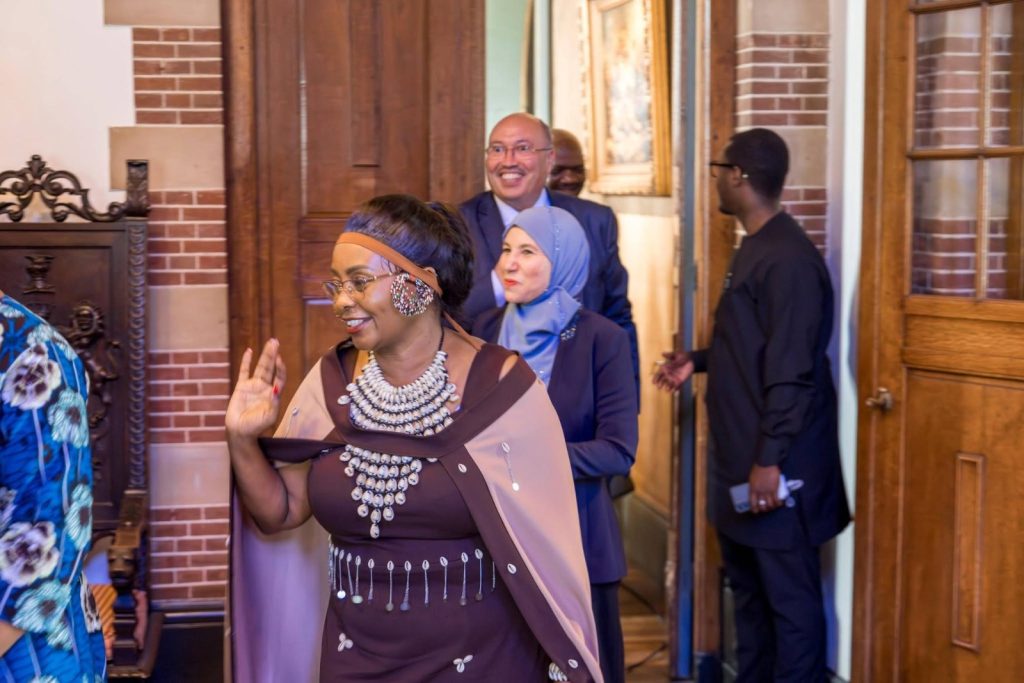
She said Kenya could draw lessons from the development of Dutch cities such as Amsterdam and The Hague, which she said demonstrated the importance of deliberate urban planning and sustained investment over generations.
“Every time I look at Nairobi and compare it with cities such as The Hague and Amsterdam, I am reminded that development is not a privilege reserved for a few countries. It is achievable,” Mucheke said.
Her remarks come as Kenya experiences rapid urbanisation, placing growing pressure on transport networks, housing, water, sanitation and other public services.
The World Bank estimates that about 31 per cent of Kenya’s population lived in urban areas in 2019 and projects the proportion could rise to 50 per cent by 2050.
Mucheke said Kenya’s urban transformation should extend beyond Nairobi, with cities such as Mombasa, Kisumu, Nakuru, Meru and Eldoret having the potential to become major economic centres if properly planned and equipped with modern infrastructure.
She said urban centres needed reliable transport systems, decent housing, efficient basic services and productive commercial spaces to attract investment, create employment and improve household incomes.
The ambassador cautioned against abandoning development programmes whenever political administrations change, saying long-term projects require consistency to deliver their intended results.
She said Kenya needed patience and continuity to complete major transformation programmes, while citizens should support initiatives that are working and demand improvements where they fall short.
“A first-world Kenya is not a dream. It is a possibility within our reach,” Mucheke said.
She added that the transformation should not be measured only by immediate results, but also by the foundations being established for future generations.
Mucheke said Kenya should adapt lessons from developed countries to its own circumstances instead of attempting to replicate foreign models wholesale.
“If cities like Amsterdam and The Hague could be transformed over time, so can Nairobi, Mombasa, Kisumu, Nakuru, Meru, Eldoret and every other part of our beautiful country,” she said.
She further argued that continuity would be important in sustaining the country’s development trajectory, expressing support for President Ruto’s re-election in 2027 as a means of maintaining his administration’s development agenda.