Deputy President Kithure Kindiki has challenged African countries to harmonise standards for goods and services to curb intra-African trade frustrations and unlock the potential of the continent’s
Prof Kindiki said the African Continental Free Trade Area (AfCFTA), which brings together a market of about 1.3 billion people with a combined economic output of $3.4 trillion, could deliver greater economic opportunities if countries eliminated regulatory bottlenecks.
He said differences in national standards were fragmenting the continental market and making it expensive for businesses to move products across borders.
“A market of 1.3 billion people that is fragmented into 54 regulatory silos is not one market. It is 54 small ones, wearing the costume of a large one,” Prof Kindiki said.
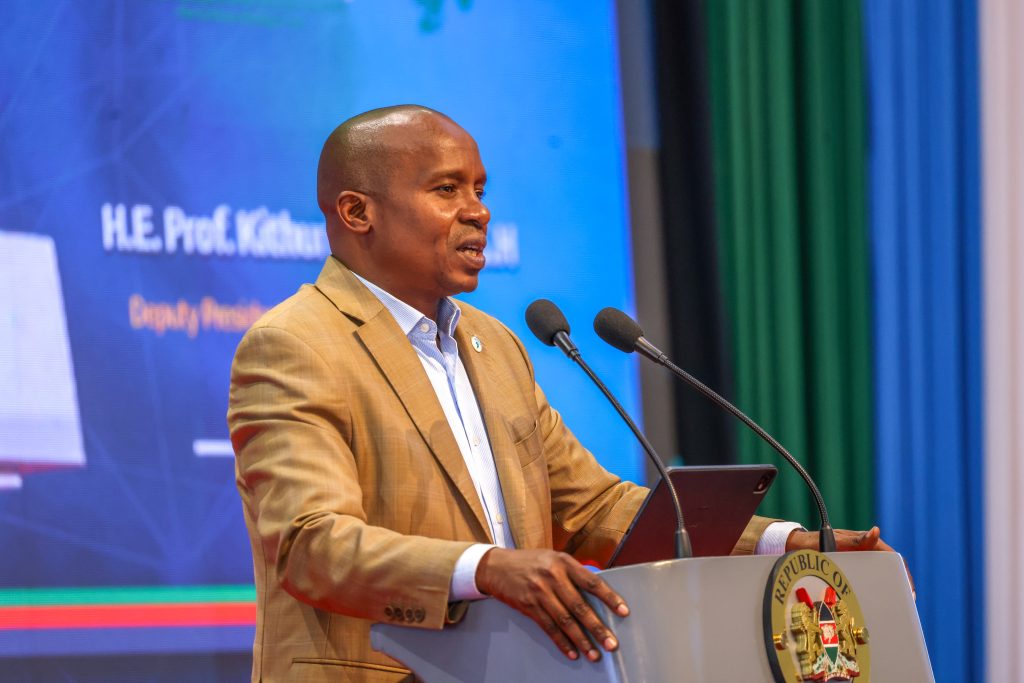
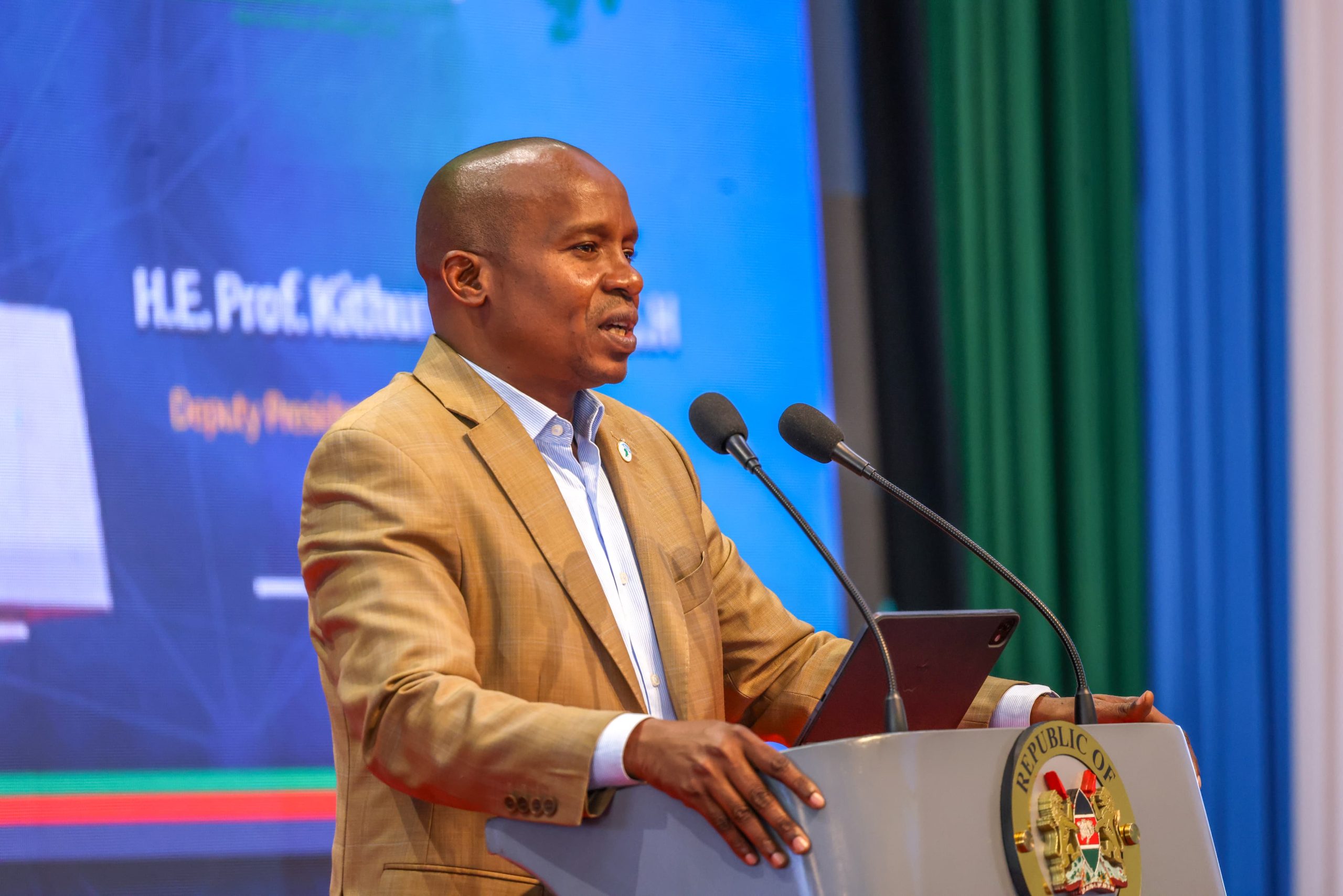
The DP was speaking in Mombasa on Wednesday August 26, when he opened the 32nd African Organization for Standardization (ARSO) General Assembly.
He warned that Africa risked failing to reap the benefits of AfCFTA if individual countries continued applying separate standards that require manufacturers to undergo repeated testing and certification.
The second in command further said a properly functioning continental market should allow standards to open borders, certificates to inspire trust and compliant African products to move freely from one market to another.
Prof Kindiki hailed progress made under ARSO, including the ARSO-ISO Enhanced Cooperation Agreement and the Kigali Agreement, which he described as important milestones towards strengthening continental trade.
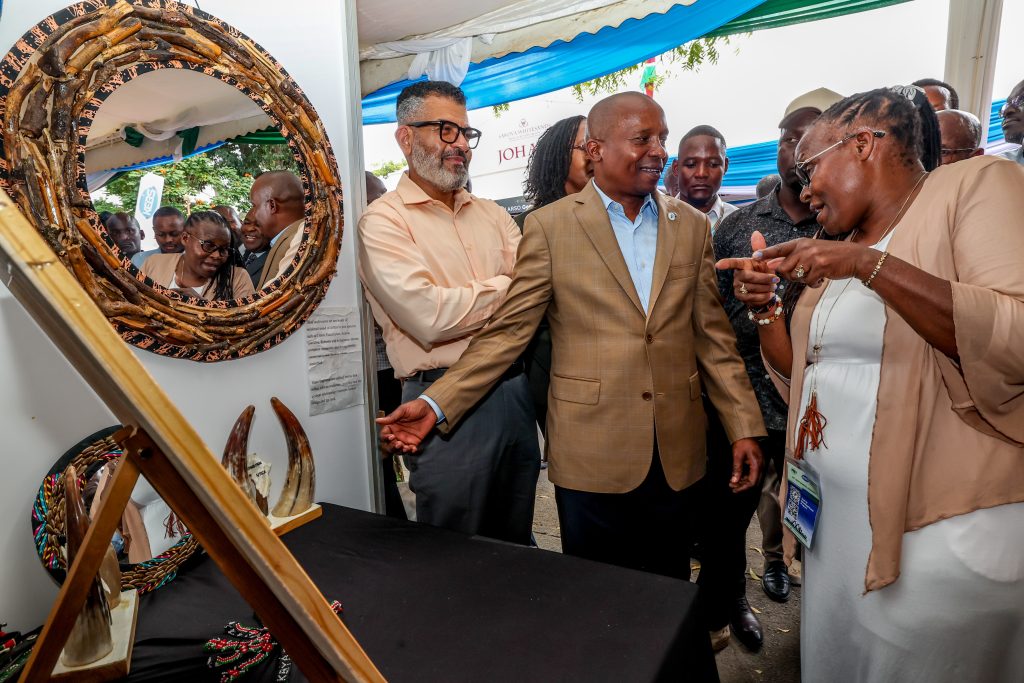
He said repeated testing of products in different countries was an unnecessary burden, particularly for small and medium-sized enterprises that often lack the financial capacity to absorb additional costs.
“A cement bag tested in Nairobi and retested in Lagos, a pharmaceutical product certified in Cairo and recertified in Accra and a solar panel inspected in Kigali and re-inspected in Dakar is nothing but wasteful duplication,” he said.
The Deputy President said every additional test and certification increased the cost of doing business while slowing down the movement of goods.
“Every duplicate test is a tax on African enterprise, paid not to a treasury, but to inefficiency borne by the same small and medium enterprises this Assembly seeks to serve,” he said.
He urged ARSO member states to turn the conference theme, ‘One Standard, One Test,One Certificate.
Prof Kindiki said the system would help African manufacturers access wider markets without being subjected to repeated inspections, fees and delays.
He pointed to the East African Community as an example of what could be achieved through regional cooperation, noting that member states were advancing harmonised standards and a shared quality mark to facilitate trade.
“The lesson from the EAC is clear what is possible among immediate neighbours is possible across Africa,” he added
Kindiki challenged ARSO to build on the regional progress and expand harmonisation efforts across the continent.
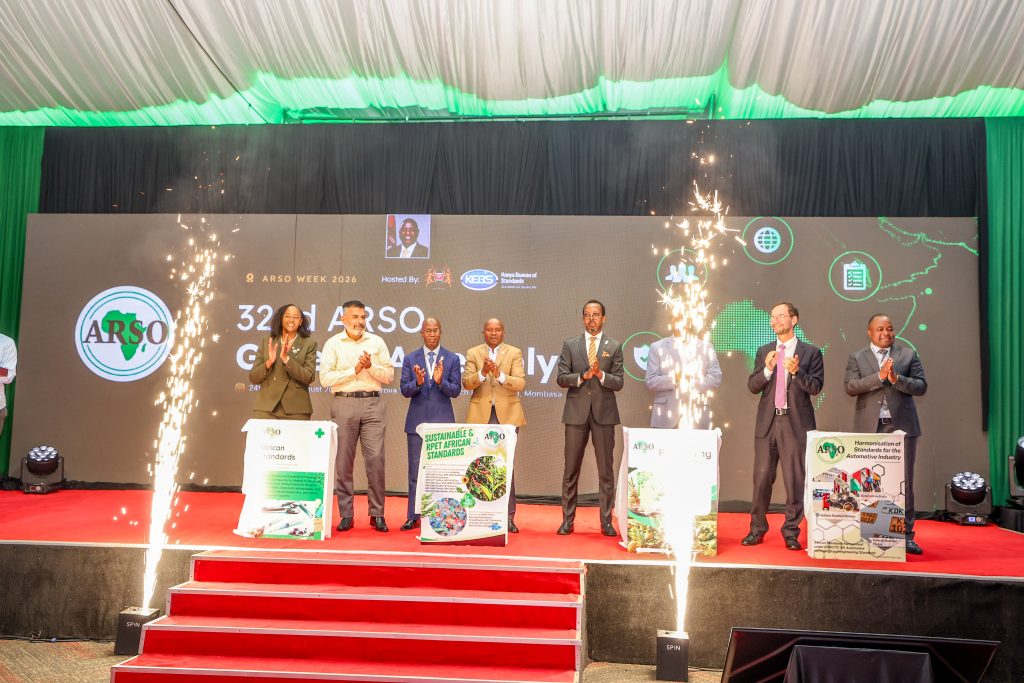
The Deputy President also announced that Kenya will host the 2028 International Organization for Standardization (ISO) Annual Meeting in Nairobi, saying the event would provide an opportunity for Africa to demonstrate its growing role in global quality infrastructure.
“We look forward to welcoming the global standardization community to Nairobi and to demonstrate that Africa is not a mere participant in the global quality infrastructure, it is helping to shape its future because Kenya will also provide land for the construction of a permanent headquarters for ARSO in Nairobi,” he noted.
Prof Kindiki said the move demonstrated Kenya’s commitment to strengthening Africa’s quality infrastructure and supporting the organisation’s continental mandate.
He said Kenya’s development ambitions went beyond Vision 2030, with the country seeking to work with other African nations towards a prosperous continent by 2060.
“Our ambition is to transform Kenya into a high-income, globally competitive, technologically advanced and industrialized economy,” he said.