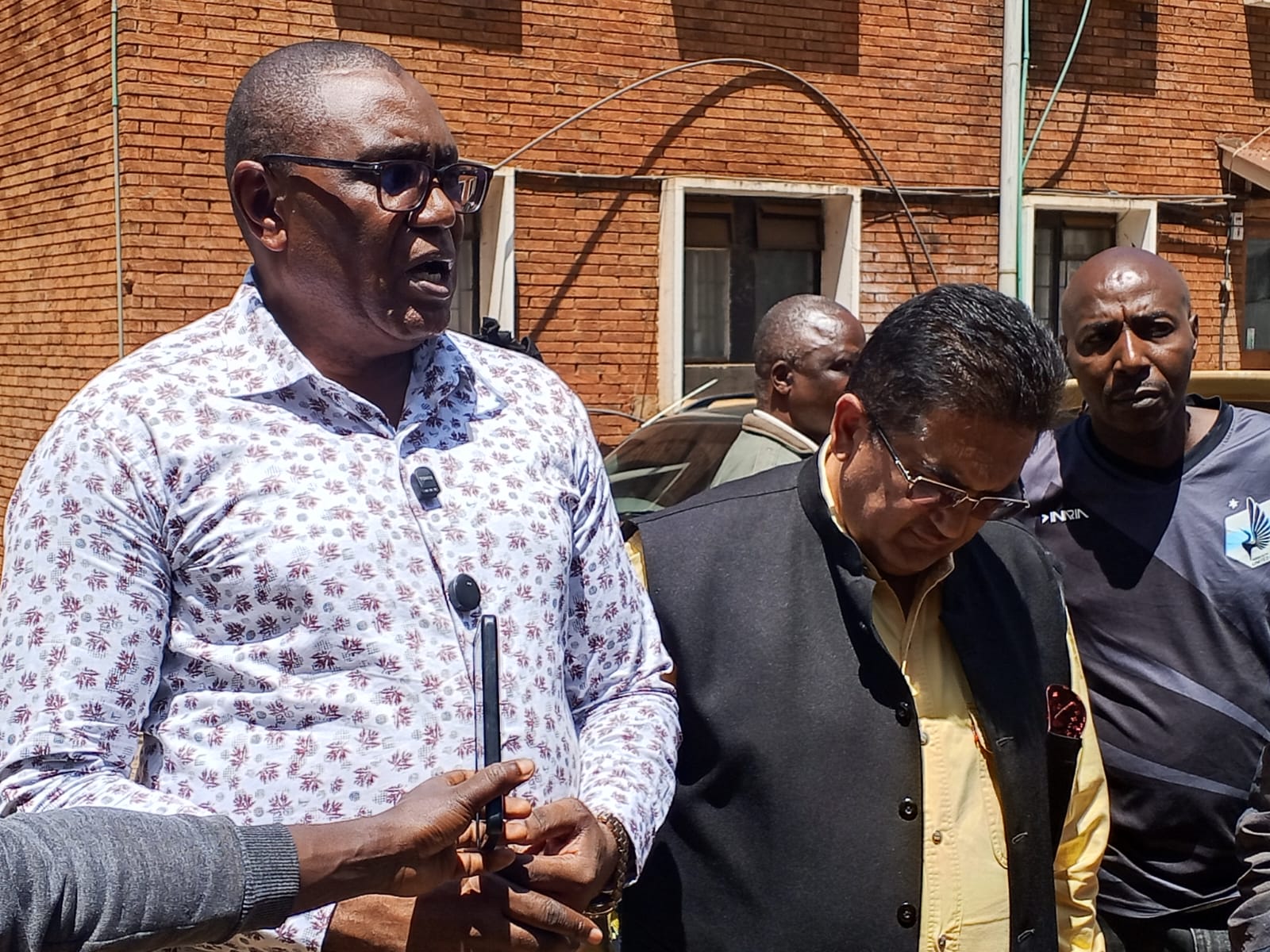
Members of Parliament Rahim Dawood (North Imenti), Chiforomodo Mangale (Lungalunga) and David Mwalika (Kitui Rural) have assured Kenyans that public views will guide Parliament’s decision on the proposed sale of government shares in Safaricom, amid rising concerns over ownership, corruption and use of the proceeds.
Addressing residents, MP Dawood said the primary objective of the proposal is to raise funds for critical infrastructure development, as an alternative to increased government borrowing.
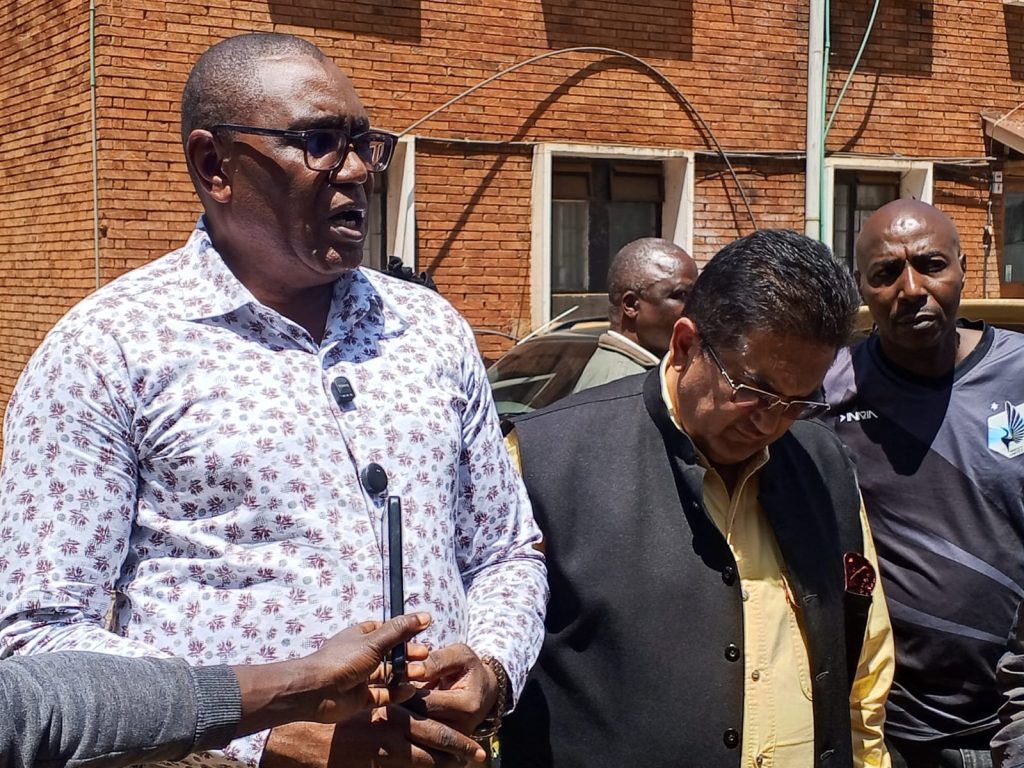
MP Mwalika said the proposal, contained in a Sessional Paper currently before Parliament, seeks to sell up to a maximum of 15 per cent of the government’s shareholding in Safaricom.
The MPs spoke during a public participation forum held at Kamunde Hall in North Imenti Constituency, where residents questioned how funds raised from the proposed divestiture would be managed.
Participants expressed fears that money earmarked for the Infrastructure Development Fund—intended to finance ports, airports and other key national projects—could be lost through corruption if strict safeguards are not put in place.
Residents also demanded transparency in the sale process, urging that the shares be sold to members of the public at eight per cent, with the remaining seven per cent allocated to Vodacom, and that the distribution be fair and equitable.
The public participation exercise is being conducted jointly by the Departmental Committee on Finance and National Planning and the Select Committee on Public Debt and Privatisation, which are reviewing Sessional Paper No. 3 on the proposed partial divestiture of the government’s stake in Safaricom PLC.
Before the forum began, members of the public were briefed on the details of the proposed divestiture to enable informed participation.
Residents, however, questioned the rationale behind the proposal.
“Once the government sells these shares, will it stop borrowing? Why can’t the shares be sold to Kenyans instead of Vodacom? Why can’t Parliament intervene to allocate at least seven per cent of the 15 per cent to be sold to Kenyans?” posed resident Martin Mworia Kiongozi.
Participants further urged that, if the sale proceeds, the funds must strictly be directed to the intended infrastructure projects.
Mwalika noted that the final decision would depend on recommendations made by the two parliamentary committees after considering public submissions.
Concerns were also raised over the possibility of Vodacom gaining more than 50 per cent ownership if the shares are sold entirely to the firm, a move residents warned could erode national control over a strategic asset.
MP Mangale said the public participation forums had revealed widespread anxiety among Kenyans over ownership and governance of key national institutions, adding that Parliament would take public input into account before making a final determination.
Edited by John Majau