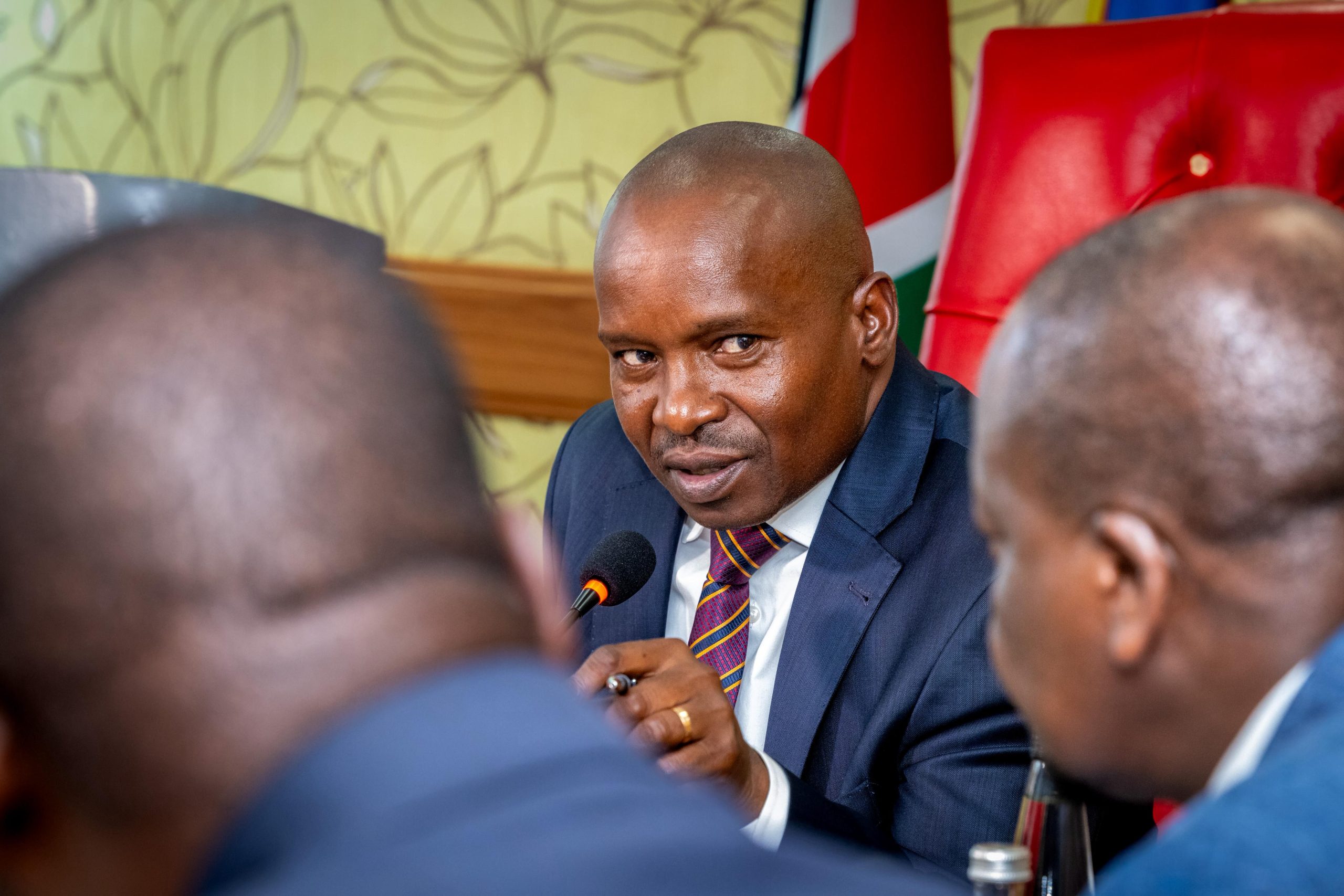
The government has rolled out a raft of interventions aimed at assisting millions of Kenyans from 32 counties affected by the drought across the country.
Speaking after a high-level consultative meeting on Monday 15th 2025, Deputy president Kithure Kindiki said the State was scaling up emergency response measures to provide food and non-food assistance to households and livestock in the worst-hit regions.
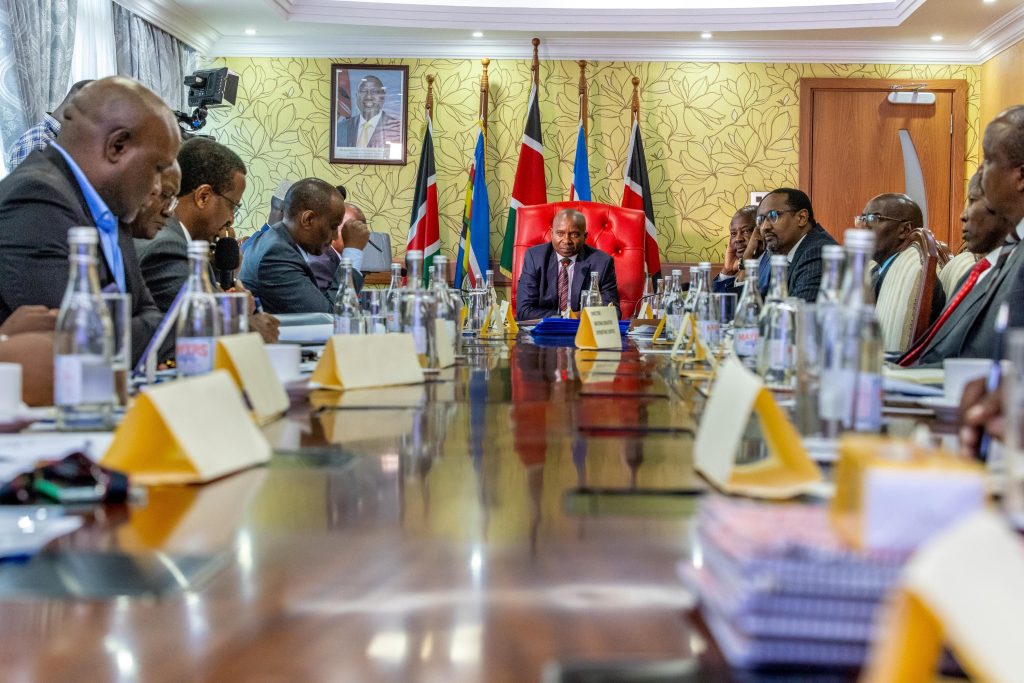
The meeting, held at the Deputy President’s Official Residence in Karen, Nairobi, brought together Cabinet Secretaries, Principal Secretaries, heads of key government agencies and representatives of the Council of Governors.
The forum reviewed the current drought situation, assessed its impact and discussed the scope and cost of interventions required to mitigate its effects.
According to the report at least 32 counties have been affected by the dry spell, which followed the failure of the October–December short rains.
The meeting observed that the drought has left an estimated 2.1 million people exposed to food and nutritional insecurity, with pastoral and marginal agricultural areas bearing the brunt of the crisis.
“The government is working on various interventions to support Kenyans affected by the prolonged drought reported in different parts of the country our immediate priority is to ensure that vulnerable households have access to food and basic non-food items, while also protecting livestock, which is the main source of livelihood in many of the affected counties.” said Kindiki .
According to the Deputy President, data from the Kenya Meteorological Department indicates that the impacted counties will require sustained human and livestock food, nutritional and health interventions for the next six months.
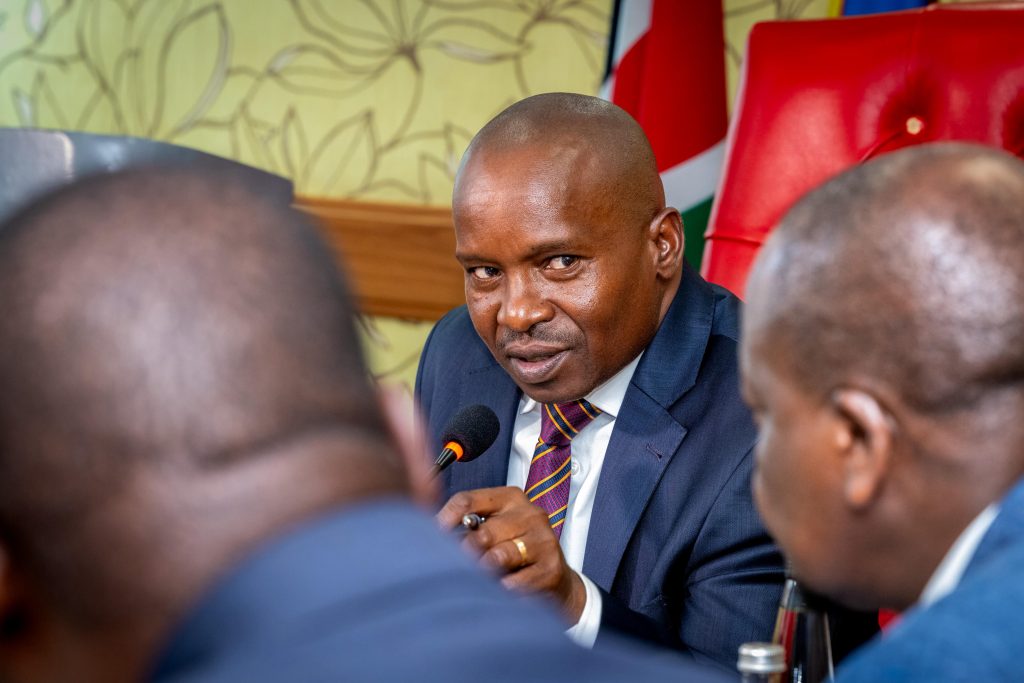
Speaking Kindiki observed that the intervention period is expected to bridge the gap until the harvest from the March–May long rains becomes available.
“The Kenya Meteorological Department predicts that the 32 counties will require human and livestock food, nutritional and health interventions for the next six months, by which time the harvest from the March to May long rains will be almost ready,” he added
The counties affected by the drought include Mandera, Wajir, Marsabit, Garissa, Turkana, Samburu, Isiolo, Tana River and Baringo, which are predominantly arid and semi-arid lands others includes Kilifi, Kwale, Lamu and Taita Taveta at the Coast, as well as Kajiado, Narok, Laikipia and West Pokot.
Parts of Eastern and Central Kenya have also been hit, including Kitui, Makueni, Machakos, Tharaka Nithi, Meru North, Embu (Mbeere), Nyeri, Kirinyaga and Murang’a. Counties in the Rift Valley and western regions such as Nakuru, Elgeyo Marakwet, Kiambu, Siaya, Homa Bay and Migori are also among those experiencing food stress linked to the dry conditions.
During the meeting, government officials and governors reviewed ongoing response programmes, including food distribution, water trucking, livestock off-take, school feeding initiatives and nutritional support for children, pregnant women and other vulnerable groups.
Prof Kindiki noted that close coordination between the national and county governments would be critical to ensure resources are deployed efficiently and reach those most in need.
He said the government was keen to avoid duplication of efforts while prioritising high-impact interventions.
“I met Cabinet and Principal Secretaries, Chief Executive Officers and heads of relevant ministries, departments and agencies together with the Council of Governors to discuss the extent and cost of the interventions required to provide human and livestock food and non-food support to mitigate the effects of the prevailing drought situation,” he said.
The Deputy President reiterated the government’s commitment to strengthening early warning systems and investing in long-term solutions such as irrigation, water harvesting and climate-smart agriculture to reduce the country’s vulnerability to recurring droughts.