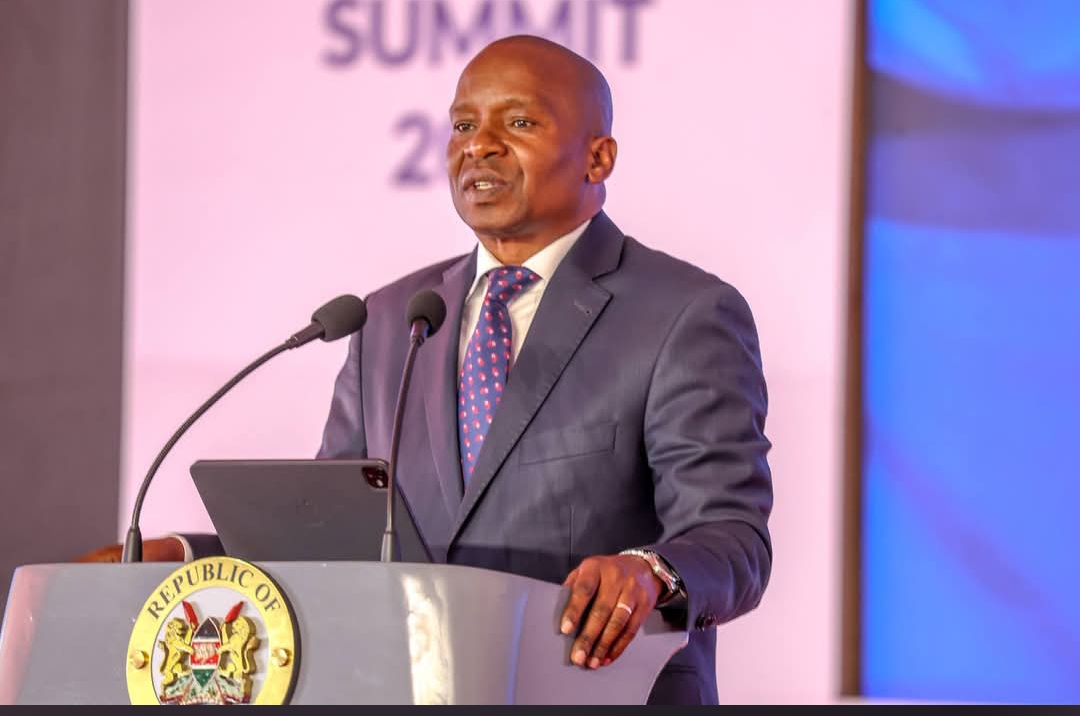
Deputy President Kithure Kindiki has called for stronger coordination between the national and county governments to ensure ongoing health reforms translate into reliable and accessible services for Kenyans.
Speaking today Wednesday on the final day of the Kenya Health Summit 2026 at the Kenyatta International Convention Centre (KICC) in Nairobi, Prof Kindiki said effective healthcare delivery depended on close cooperation between the two levels of government.
He said the country needed the right health workers, equipped with appropriate medical products and modern technologies to provide the right services to patients at the right time.
Prof Kindiki maintened that this could only be achieved through better coordination between national and county governments, which share responsibility for delivering healthcare services.
“There has to be coordination and cooperation between the national and county governments,” Prof Kindiki said.
The Deputy President said the Government had made progress in strengthening primary healthcare financing and expanding access to medical services.
He revealed that the Primary Healthcare Fund had so far received Sh27.4 billion, with Sh23.3 billion already disbursed to more than 9,300 Level Two and Level Three health facilities across the country.
According to Prof Kindiki, the funding has supported more than 20 million outpatient visits by over 15 million Kenyans.
He said the Government was also expanding Primary Care Networks to bring healthcare services closer to communities adding about 278 Primary Care Network hubs have been established across the country.
The Deputy President also highlighted improvements in Kenya’s emergency medical response, saying the Government was working to ensure patients in critical condition receive timely assistance.
He said strengthening emergency response systems remained an important part of the country’s efforts to improve the quality of healthcare.
Prof Kindiki said the reforms would only succeed if healthcare workers were adequately supported and equipped to perform their duties.
He pledged that the Government would continue hiring more healthcare workers and sponsoring their training to address staffing gaps and improve service delivery.
The Deputy President, however, urged healthcare labour actors to embrace dialogue and ensure disputes in the sector are resolved amicably before escalating into strikes and other disruptions.
He said industrial disputes in the health sector have a direct impact on patients, particularly those who depend on public hospitals for essential medical services.
The second in command further called for early engagement between healthcare workers, unions, county governments and the national Government whenever disagreements arise.
He said protecting uninterrupted healthcare services should remain a shared responsibility between the two levels of government .
The Deputy President’s remarks came as the three-day Kenya Health Summit brought together national and county government officials, healthcare professionals, development partners and other stakeholders to assess the country’s progress in health reforms.
The summit focused on measures aimed at strengthening primary healthcare, improving access to quality services and addressing challenges affecting the health sector.
Prof Kindiki affirmed that government would continue working with counties and other stakeholders to ensure investments in healthcare result in tangible improvements for ordinary Kenyans.
He said the ultimate measure of the reforms would be whether Kenyans can access quality, affordable and timely healthcare services regardless of where they live.
The DP urged stakeholders to maintain cooperation and focus on building a healthcare system capable of meeting the needs of the growing population.
Edited by John majau