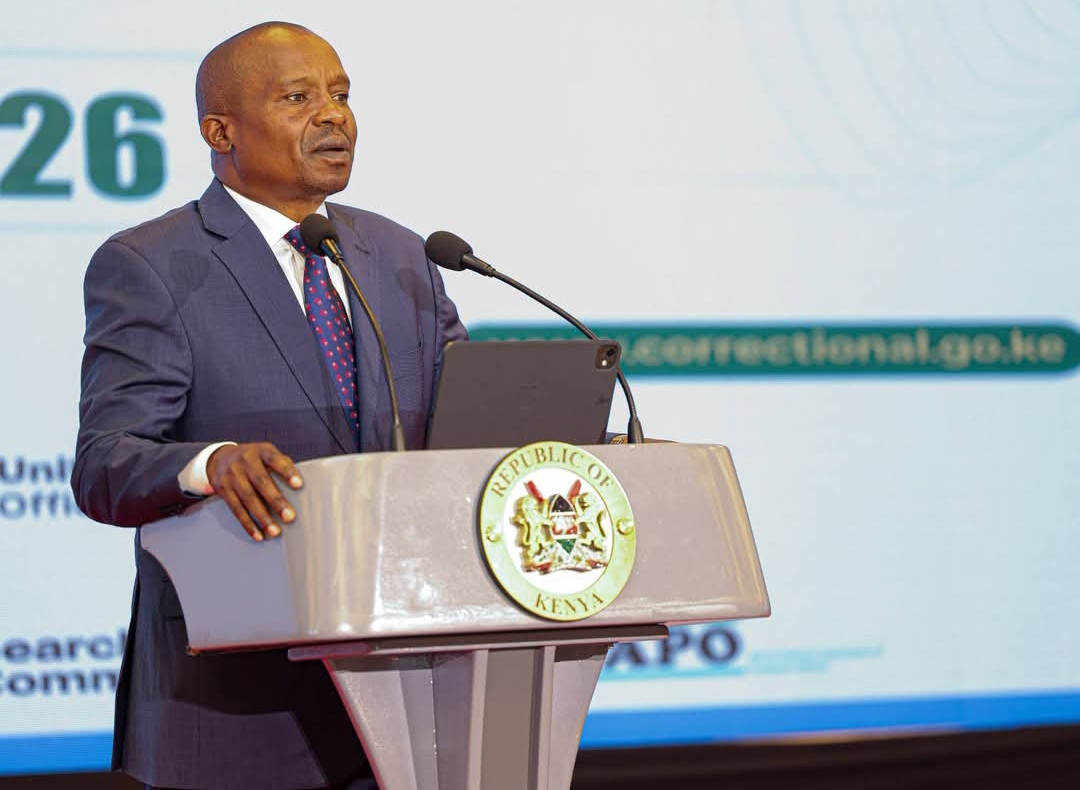
Deputy President Kithure Kindiki has called for reforms in Kenya’s correctional institutions to go beyond punishment and rehabilitation, urging authorities to equip inmates with practical skills that will help them rebuild their lives after serving their sentences.
Kindiki said correctional facilities should prepare inmates for life beyond prison walls by providing them with skills, knowledge and opportunities to earn a living, become self-reliant and contribute positively to society.
Speaking in Nairobi on Tuesday October 13 ,2026 during the opening of the fourth Correctional Services Week, the Deputy President said the success of the correctional system should not be measured solely by the punishment imposed on offenders, but also by its ability to transform lives and reduce the risk of reoffending.
He challenged correctional services practitioners to ensure that inmates leave the institutions better prepared to face the challenges of life, including securing employment, starting businesses and reintegrating into their communities.
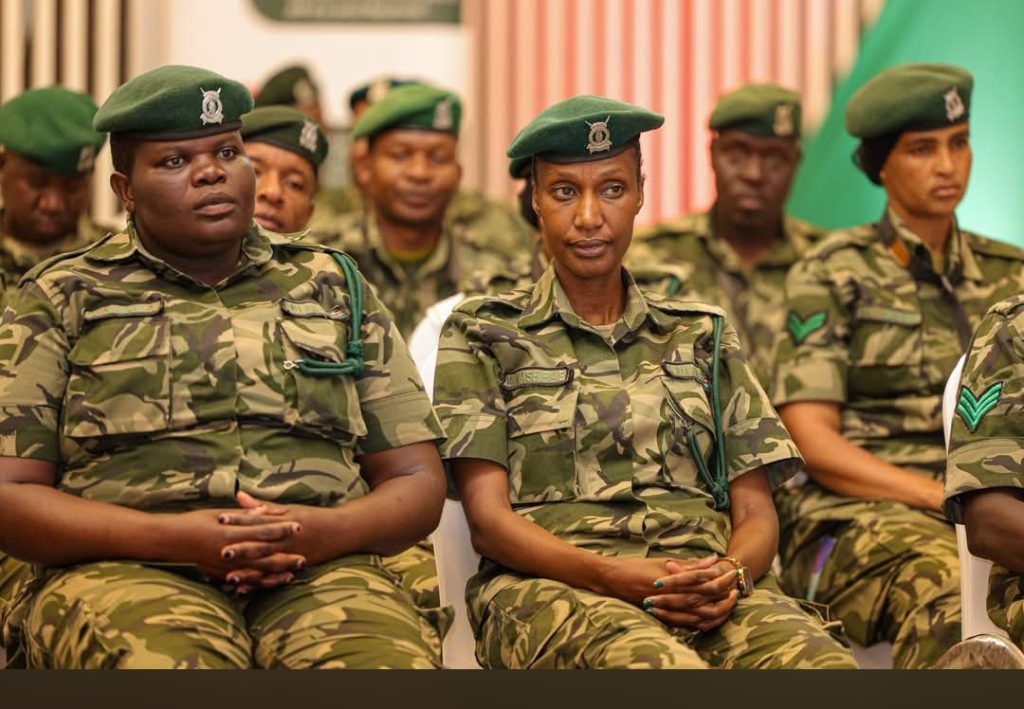
The week-long engagement has brought together correctional services practitioners, national and international actors, experts and other stakeholders to reflect on reforms and explore ways of strengthening Kenya’s correctional system.
“Any reforms in correctional services must be anchored on the principle of transforming lives and preparing offenders for a productive life after completing their sentences,” Kindiki said.
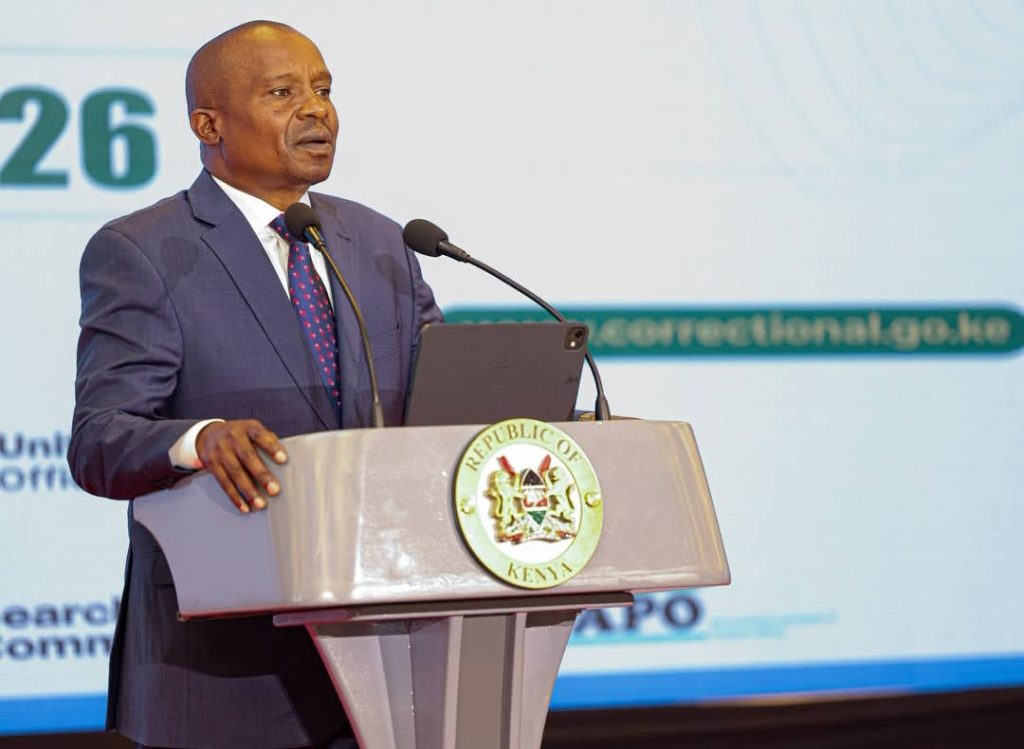
The second in command remarks come amid growing recognition of the need to make correctional facilities centres of rehabilitation, where inmates can acquire technical, vocational and entrepreneurial skills to improve their prospects after release.
He noted under such an approach, inmates can be trained in areas such as agriculture, carpentry, tailoring, construction and other trades that can provide opportunities for employment and income generation.
Kindiki said he envisaged a modern correctional system that embraces technology and innovation to improve service delivery, strengthen justice administration and enhance public safety.
He noted that technology could help correctional institutions operate more efficiently, while innovative approaches would support the rehabilitation and reintegration of offenders into society.
The Deputy President also underscored the importance of protecting society, managing public resources responsibly and ensuring that correctional services contribute to a more effective justice system.
His vision places rehabilitation and public safety at the centre of correctional reforms, recognising that preparing inmates for life after imprisonment is an important step towards building safer communities.
The call for change was echoed by stakeholders attending this year’s Correctional Services Week, whose theme is “Transforming Correctional Services through Technology and Green Solutions.”
Under the theme highlights the need for correctional institutions to embrace modern technologies and environmentally sustainable practices as part of efforts to improve operations and strengthen rehabilitation programmes.
The DP further noted that the stakeholders are expected to reflect on how digital solutions, innovation and green initiatives can help address challenges facing correctional institutions while improving the welfare of inmates and the efficiency of the services.
The adoption of green solutions could also provide opportunities for practical training in areas such as sustainable agriculture, environmental conservation and waste management, equipping inmates with skills that can be useful beyond their sentences.
By investing in rehabilitation,Kindiki said the government will support technology and sustainable solutions in Kenya’s correctional services to strengthen their role in promoting justice while helping former inmates become productive members of society.