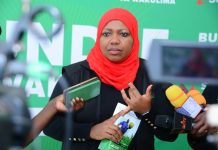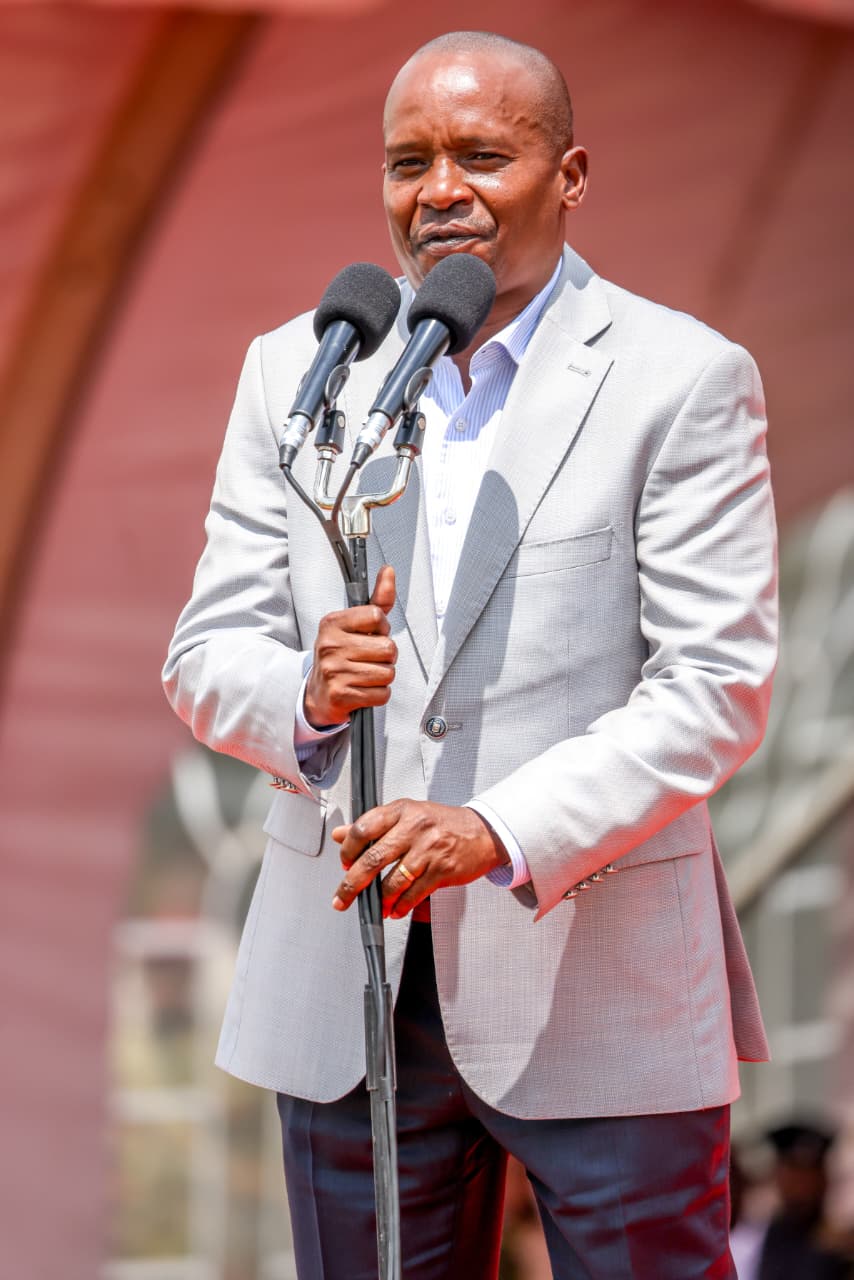
Deputy President Kithure Kindiki has defended the National Infrastructure Fund, urging leaders to avoid politicising the initiative and instead support what he described as a transformative programme aimed at accelerating Kenyan development.
Speaking during an interdenominational church service and fundraiser for more than 100 churches in Soliat, Kericho County, Prof. Kindiki said the fund offers the country an innovative way of financing major infrastructure projects without imposing additional taxes or increasing public debt.
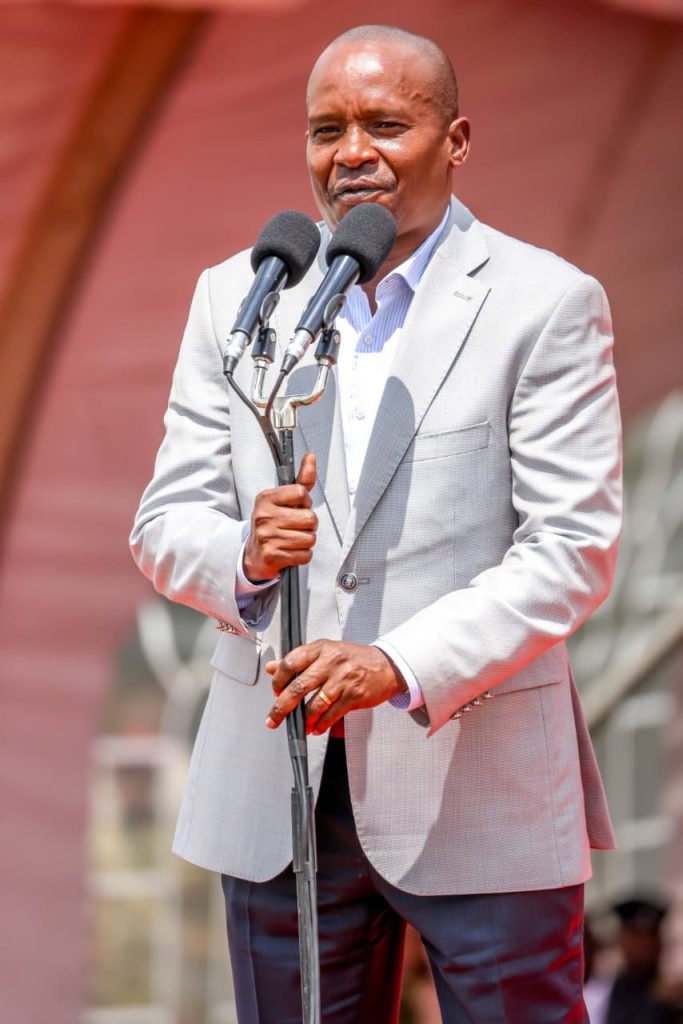
The Deputy President dismissed criticism from the opposition over the government’s decision to raise money through the sale of shares in state-owned enterprises, insisting the approach is neither new nor unprecedented.
He noted that the government had previously sold shares in Safaricom, including during the administration of former President Mwai Kibaki, adding that the current exercise only differs in how the proceeds will be utilised.
“This is the third sale of government shares in Safaricom and we are not selling all the shares. What is different is that the money will be invested in projects that directly improve the lives of Kenyans,” Kindiki said.
He affirmed that proceeds from the sale of government-owned assets would be channelled into the National Infrastructure Fund an independently managed investment vehicle established to finance large-scale infrastructure development across the country.
According to the Deputy President, unlike previous administrations where funds realised from privatisation were largely used to finance recurrent expenditure, the current government has committed to directing all proceeds towards long-term development projects.
He said the government intends to leverage the fund to attract private investment, arguing that every shilling invested by the State could mobilise up to ten shillings from private investors.
“So far, the government has raised Sh245 billion through the sale of part of its Safaricom shares and over Sh100 billion from the Kenya Pipeline Company these resources will help unlock even greater investment into national development,” he added.
The second in command at the same time outlined ambitious plans to finance the construction of an additional 28,000 kilometres of roads, 50 mega dams, 200 medium-sized dams and 1,000 micro and small dams through the fund.
He expressed confidence that sustained investment in infrastructure would significantly transform the country’s economy over the coming decades.
“Kenya is on the right path and if we remain focused, future generations will witness remarkable economic transformation driven by strategic investment,” he said.
The DP also highlighted progress in the agricultural sector, saying reforms introduced by President William Ruto’s administration had improved earnings for farmers.
He said coffee prices had increased from about Sh50 per kilogram in 2022 to between Sh120 and Sh160 this year, attributing the improvement to government interventions in the sector.
The government, he added, is expanding the supply of certified seedlings and subsidised pesticides to boost production, with the aim of raising coffee prices further to between Sh250 and Sh300 per kilogram over the next year.
Prof. Kindiki also pointed to improvements in the tea and sugar sectors, saying ongoing reforms were intended to increase farmers’ incomes while strengthening agricultural productivity.
On infrastructure, he added several road projects that had stalled for years had resumed, while the construction of affordable housing units, modern markets and sports facilities was progressing in different parts of the country, including Kericho County.
He urged leaders to focus on development and support initiatives aimed at improving livelihoods instead of engaging in political contestation over government programmes.
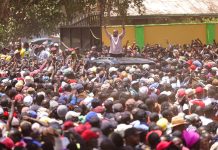
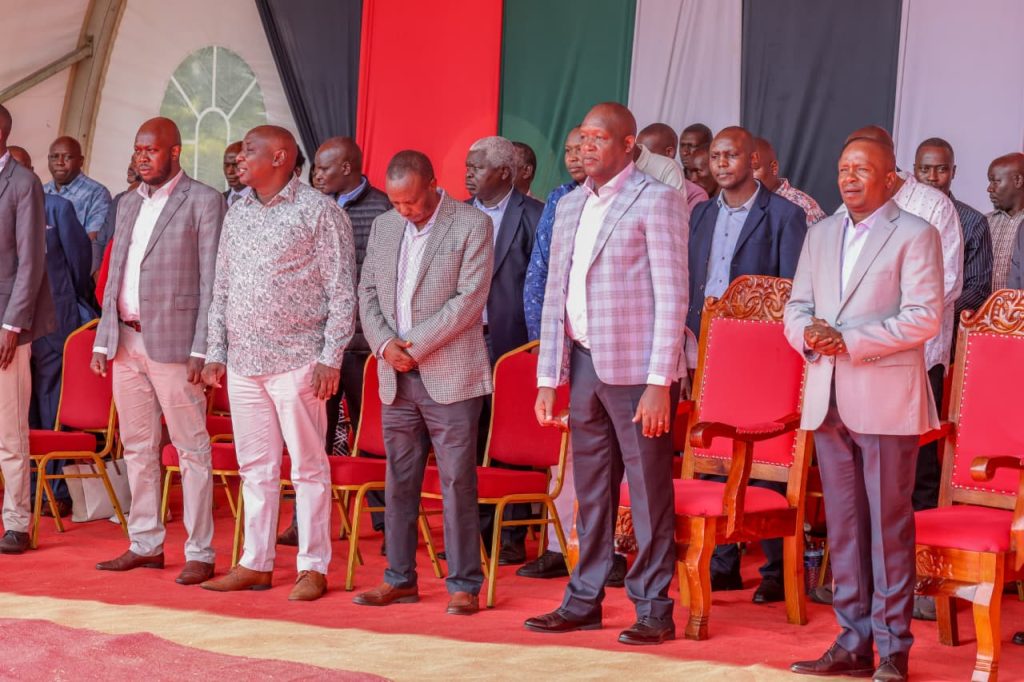
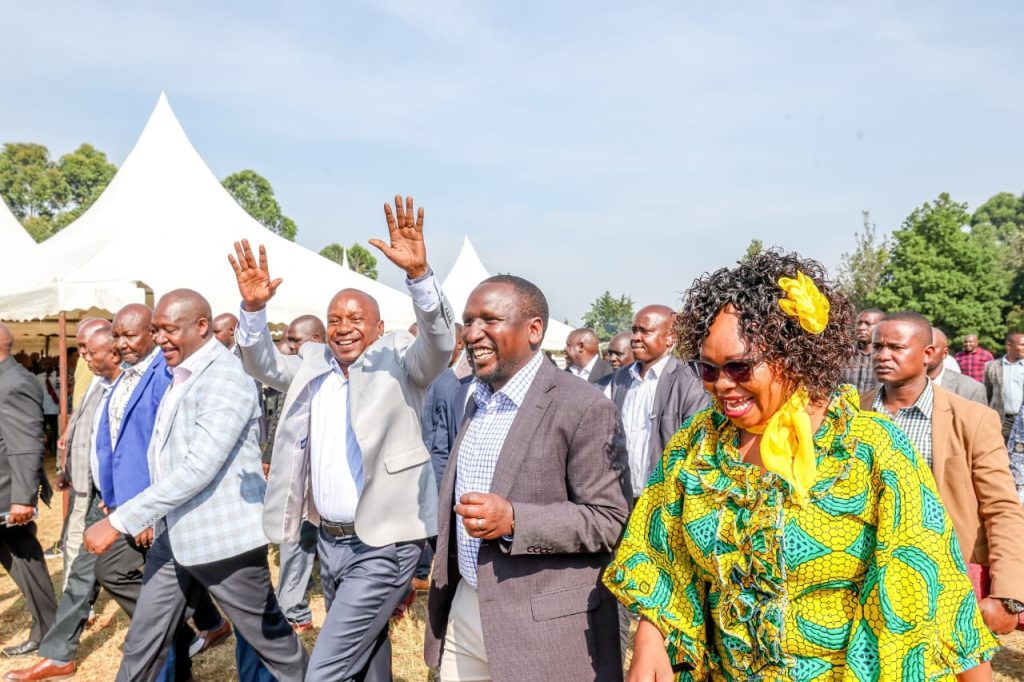
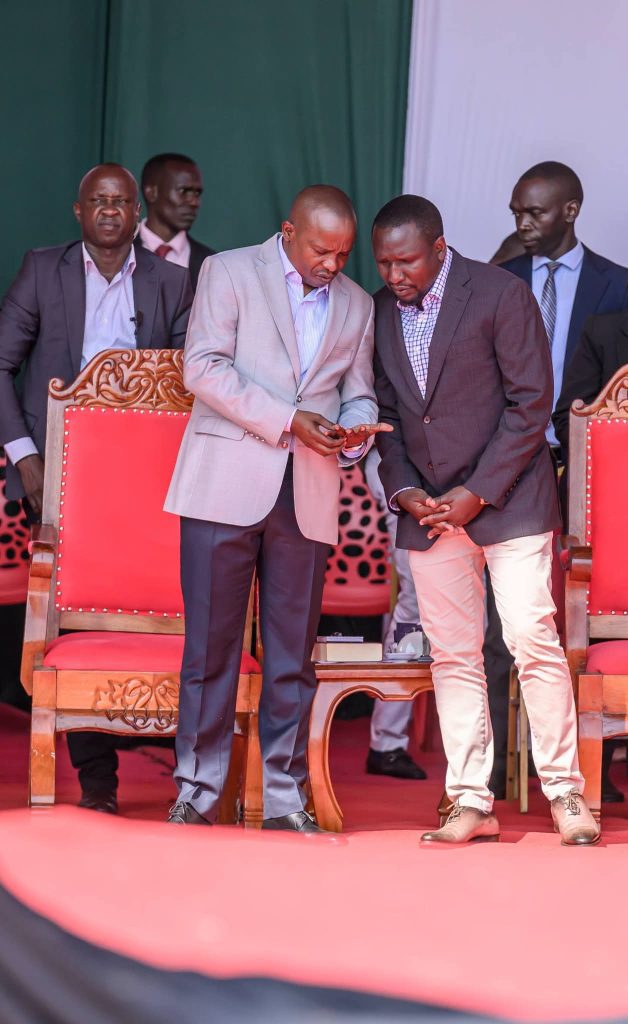
The Deputy President spoke during a church fundraiser attended by several national and county leaders, among them Senate Majority Leader Aaron Cheruiyot, Kericho Governor Eric Mutai, Members of Parliament, Members of the County Assembly and local residents.