Governors are demanding an additional Sh100 billion in county funding for the 2027/28 financial year, accusing the Commission on Revenue Allocation (CRA) of siding with the National Treasury by recommending the same Sh440.8 billion allocation despite rising costs of devolved services.
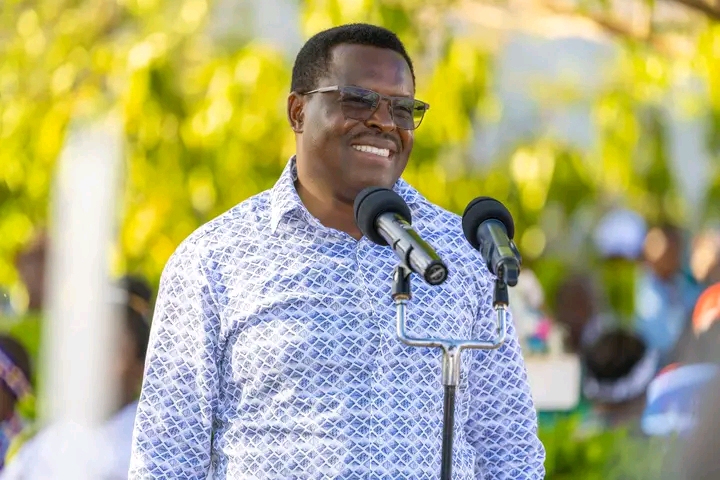
Council of Governors chairman Muthomi Njuki said the proposed allocation was inadequate to meet salary adjustments, health workers’ agreements and the cost of functions transferred to counties without corresponding resources.
Njuki, alongside CoG chief executive Mary Mwiti, questioned the commission’s neutrality, arguing that it had failed to adequately consider counties’ proposals before presenting its recommendations to Parliament.
They also faulted the CRA for meeting the National Assembly and Senate before consulting governors on the vertical sharing of revenue between the two levels of government.
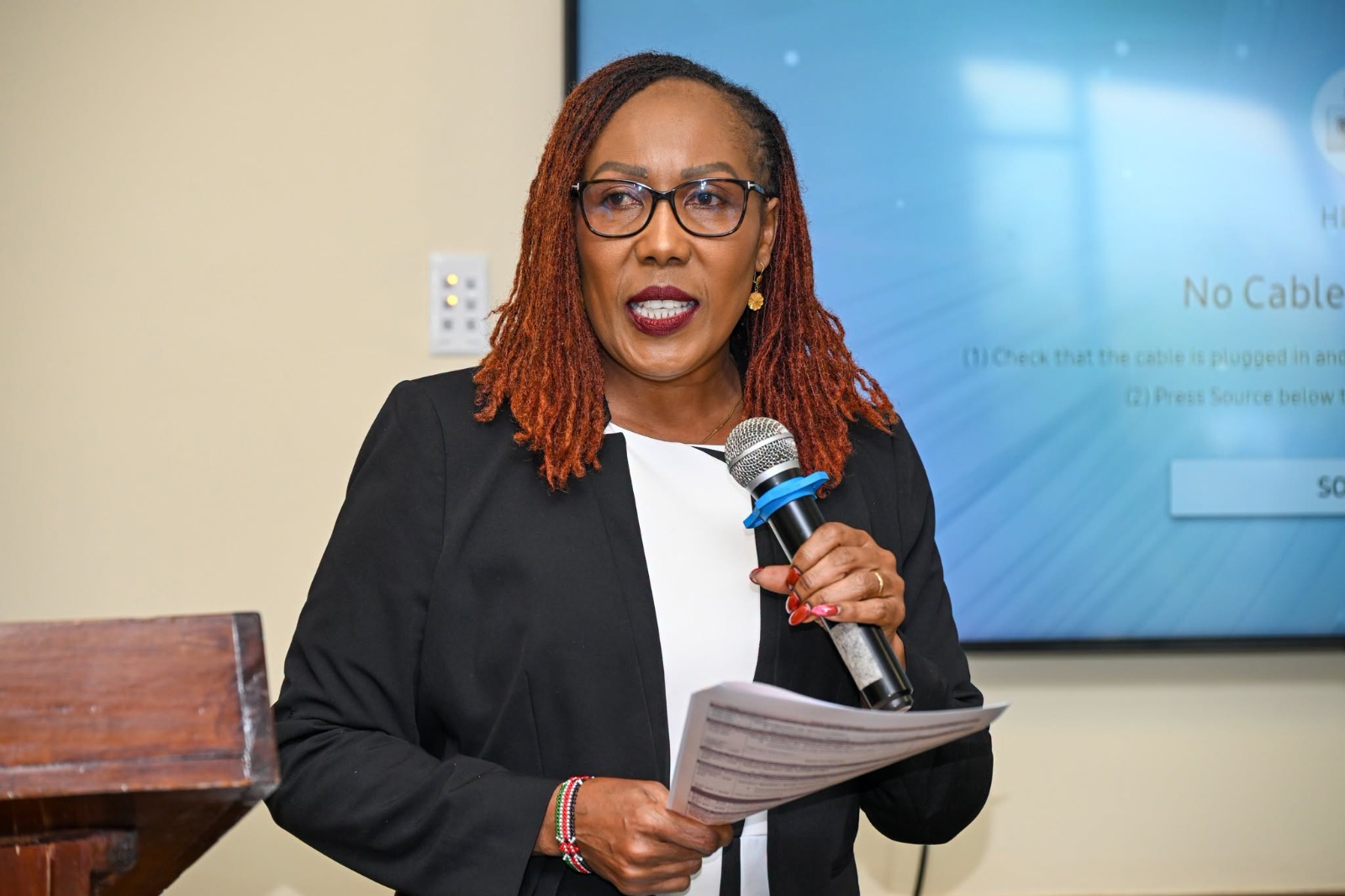
The CRA, chaired by Mary Wanyonyi, has proposed Sh440.8 billion in equitable shareable revenue for counties in 2027/28, alongside Sh10 billion for the Equalisation Fund for marginalised areas.
The governors want the allocation increased from the Sh428 billion provided in the previous financial year, saying inflation and additional expenditure obligations have made the proposed amount insufficient.
Their demands include Sh21 billion to cover salary adjustments recommended by the Salaries and Remuneration Commission (SRC), Sh8.6 billion for Universal Health Coverage staff absorbed by counties and Sh2 billion to implement health workers’ collective bargaining agreements.
“Why does SRC give recommendations of an increase of salaries without consideration of where the funds or resources will come from?” Njuki posed.
Mwiti said counties also needed Sh65.97 billion to finance functions transferred from the national government, arguing that ministries continued to retain resources despite the responsibilities being assigned to devolved units.
“If we are in a country that respects functional assignments of every institution, then recommendations by CRA must be final. The National Assembly actually jeopardises the county governments’ progress,” she said.
The governors are further seeking Sh10 billion to meet transitional costs across the 47 counties during the electioneering period and have challenged the CRA’s projected five per cent growth in county revenue collections, estimating that an additional Sh30 billion is needed for revenue-related adjustments.
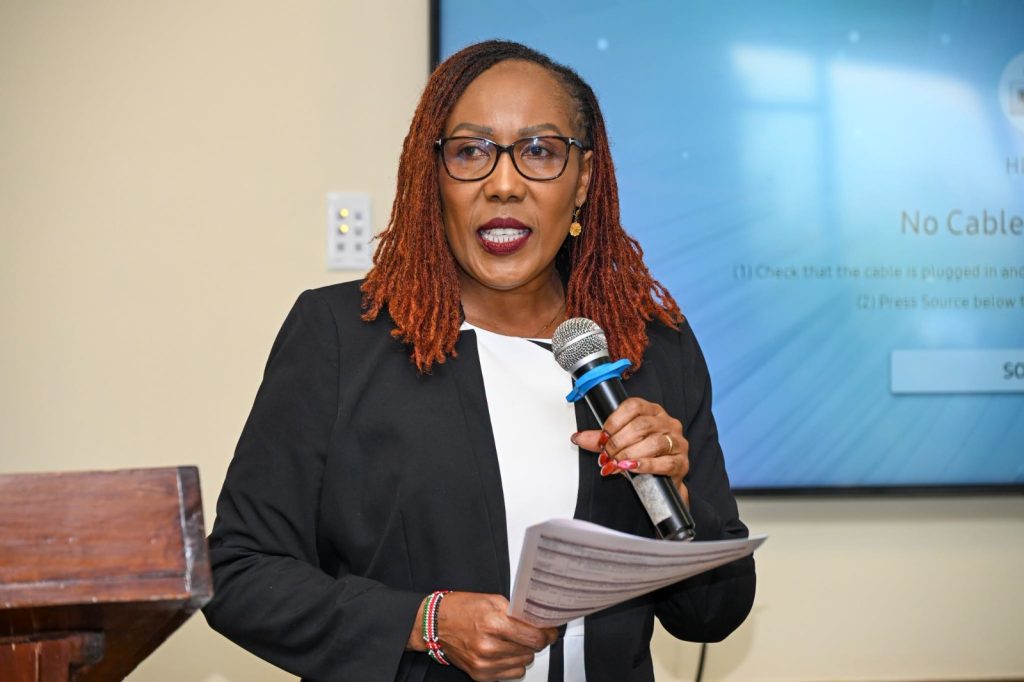
Wanyonyi acknowledged concerns over the consultation process, saying the CRA had engaged the SRC on salary adjustments and the financial implications of transferring functions to counties.
“We engage the SRC intensively, both the chair and the entire commissioners. We told them that as you release the circulars, consult CRA for us to consider the amount because you are putting counties in a difficult position,” she said.
The CRA has defended its revenue projections, arguing that actual collections frequently fall short of targets, forcing revisions to anticipated revenue.
The dispute is expected to shape discussions on the 2027/28 revenue-sharing framework, which will determine the resources available to counties to deliver devolved services.