Kenyan editors have challenged the government to end its stranglehold on media through restrictive advertising and censorship witnessed in the recent past.
The move to channel all advertising through the government advertising agency has been blamed for denying some media houses the much needed advertising revenue.
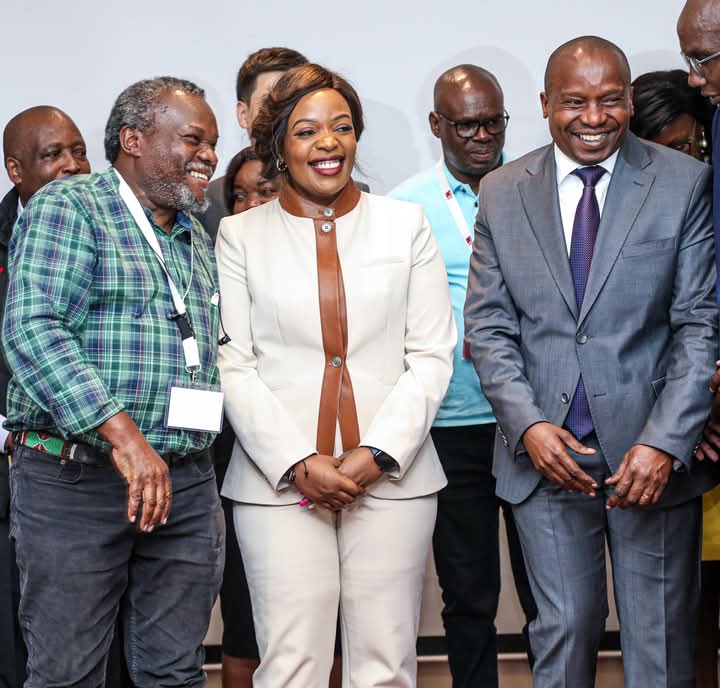
Speaking during the ongoing 7th annual Kenya Editors Guild convention in Nakuru, the Guild’s President Zubeida Kananu called for a raft of policy and legal reforms to improve the media landscape in Kenya.
The five day convention was officially opened by Deputy President Kithure Kindiki on Friday.
“We call on the government to withdraw restrictive advertising which has left many journalists jobless. The centralised government advertising disadvantages some media houses,” Ms Kananu said.
She added, “We also call on the government to recommit itself on safeguarding the freedom of the media and the safety of journalists.”
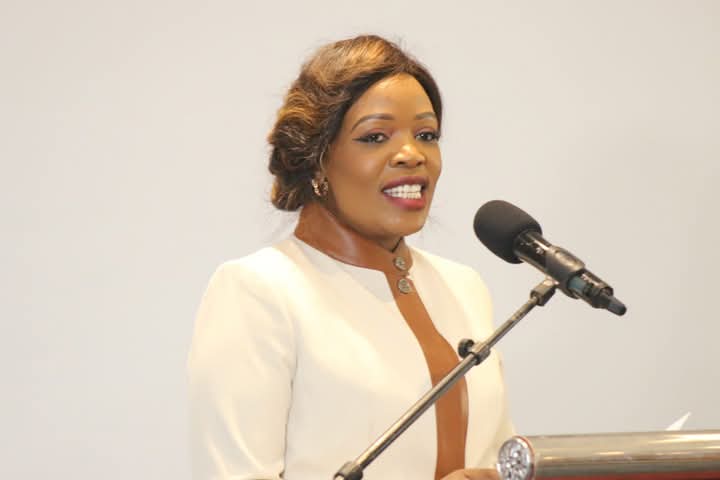
The Guild’s president called for government support for media sustainability and innovation fund, a national media centre and strengthening of the national broadcaster.
The editors guild is also pushing for tax reliefs and holidays for struggling media as well as an end to regulatory overlaps between the Media Council of Kenya and the Communication Authority.
African Editors Forum president Churchill Otieno called for policy reforms to improve remuneration of journalists.
“The other day, EACC handed over a cheque of about Ksh5 billion to the president recovered from proceeds of corruption.If part of that money could be channeled to support investigative journalism, the sector could largely benefit,” Mr Otieno said.
He said the African forum was also pushing for legal reforms to address capital flight through advertising in big tech companies.
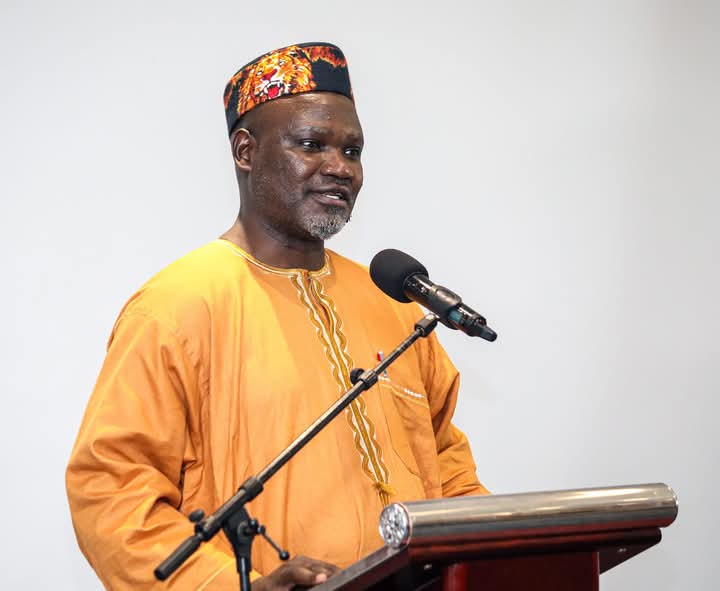
Media Council of Kenya CEO David Omwoyo called for frequent engagement between the government and the media.
In his response to the guild’s concerns, DP Kindiki said due process would be followed in dealing with government officials who curtail press freedom or harm journalists.
He said the government was keen on strengthening the national broadcaster – KBC and clearing bills owed to media companies.
Prof Kindiki said while there was adversarial interactions between the media and government, both sides must uphold the constitution and safeguard national interest.
“Government has been accused of controlling the media through intimidation and failing to protect media freedom and safety of journalists. We must bridge this divide and have a partnership built on accountability. The government and the media are vested with alot of power and with power comes great accountability,” Prof Kindiki said.
The deputy president challenged journalists to uphold a high sense of professionalism in holding those in power to account.
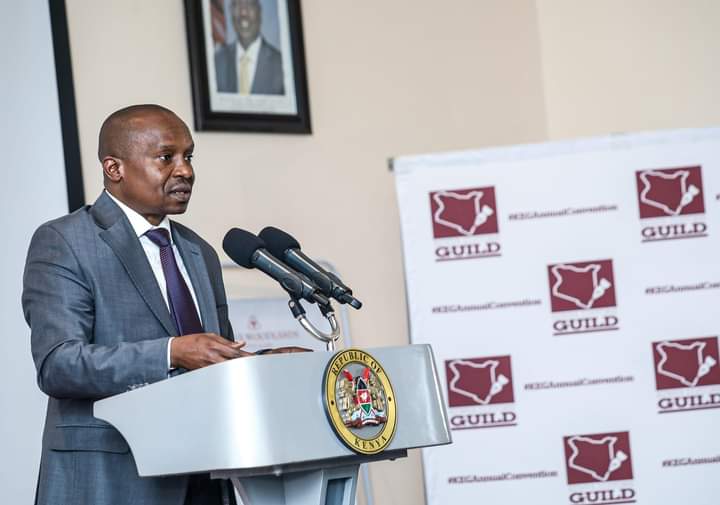
“Even as you do so, it is important to spotlight the programmes that government implements to improve the lives of Kenyans. We expect impartiality in reporting,” he said.
While drumming support for ongoing government programmes such as Taifa Care, affordable housing and higher education financing, the DP urged the media to highlight their positive aspects.
“It is only fair that if we report on the imperfections of the government programmes, we also tell about their positive side,” DP Kindiki said.
He said the Kenya Kwanza administration has significantly stopped loss of public funds after the digitisation of all government revenues.
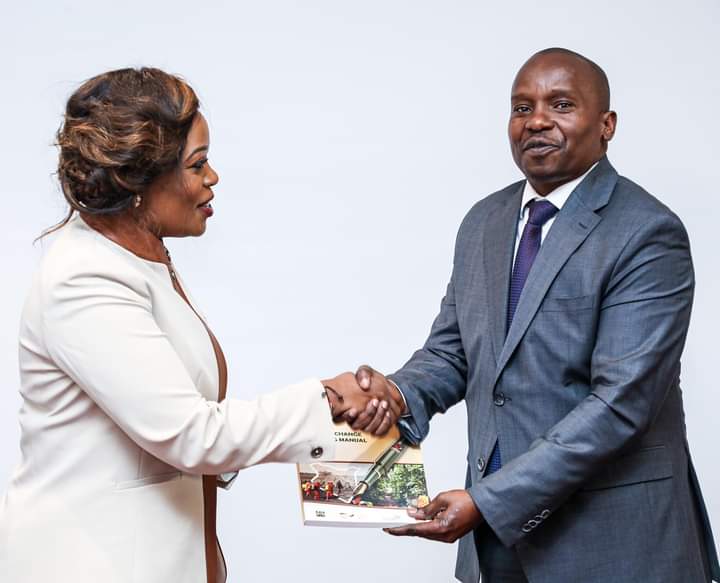
The deputy president also urged the media to upscale its role in the fight against corruption in both public and private sectors.
The DP was accompanied by Information CS Margaret Ndung’u.