By Leon Mutwiri
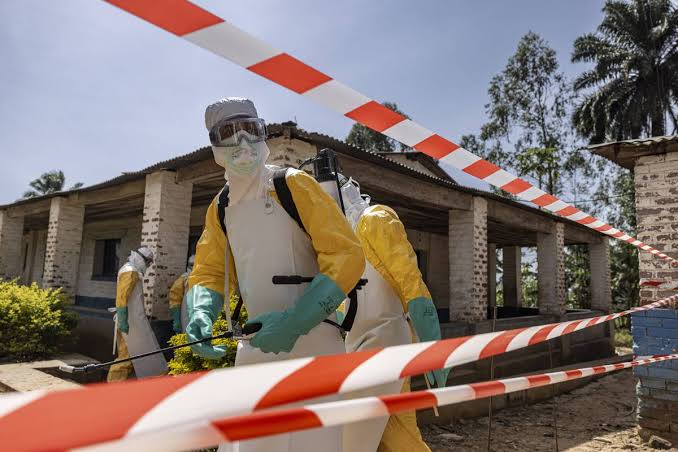
Nanyuki’s position as one of Kenya’s leading tourism destinations could be significantly affected by plans to establish an Ebola quarantine and treatment center in the region.
The town serves as a major tourism hub in Central Kenya and acts as a gateway to numerous wildlife conservancies, hospitality facilities, and adventure destinations that attract thousands of local and international visitors every year.
The region is home to renowned attractions such as Ol Pejeta Conservancy, Solio Ranch, William Holden Wildlife Foundation, Fairmont Mount Kenya Safari Club and Mount Kenya.
Neighboring conservation areas such as Lewa Wildlife Conservancy further strengthen Nanyuki’s reputation as a premier tourism destination.
Tourism stakeholders argue that the establishment of an Ebola quarantine center could negatively influence visitor perception and discourage tourists from choosing Nanyuki as a holiday destination.
Although quarantine facilities are designed to contain and manage infectious diseases safely, fears associated with Ebola may lead many potential visitors to avoid the area altogether.
Nanyuki also hosts several hospitality establishments that depend heavily on tourism.
Facilities such as Nanyuki Sports Club, The Warwick Hotel Nanyuki, Serena Sweetwaters Camp, Nickolee Hotel, and numerous other hotels, lodges, and restaurants provide accommodation and services to visitors from around the world.
A decline in tourist arrivals would likely translate into reduced occupancy rates, lower revenues, and possible job losses across the hospitality sector.
Beyond hotels and conservancies, many small-scale traders rely on tourism for their livelihoods.
Curio sellers, tour guides, transport operators, photographers, artists, and food vendors all benefit from the steady flow of visitors who come to experience the region’s wildlife, scenic views of Mount Kenya, and vibrant social atmosphere.

According to Karimi Waithaka, a resident of Nanyuki, tourism plays a crucial role in sustaining businesses and generating revenue for both residents and the county government.
“International tourists who come into the town to enjoy what Nanyuki has to offer, from the breathtaking views of Mount Kenya to the various wildlife destinations. Their presence creates jobs and generates revenue for the county government,” said Waithaka.
He further explained,
“By having the quarantine center here, we will lose as traders who depend on selling curios and art to these visitors. This will mean our families go hungry too, not to mention the loss of revenue to the government.”
Residents argued that any decisions concerning the establishment of the facility should take into account the economic importance of tourism to the region.
They maintain that preserving Nanyuki’s image as a safe and attractive tourism destination is essential for protecting jobs, businesses, and investment in Laikipia County.
As debate over the proposed facility continues, residents have called for adherence to existing court orders and for greater public participation in decisions that could have far-reaching implications for the region’s economy and future growth.
While public health preparedness remains important, many locals insist that any measures adopted should balance national health priorities with the need to safeguard Nanyuki’s thriving tourism industry.