The Nyambene watershed in Meru County is among five priority landscapes set to benefit from a Sh26 billion World Bank-backed project aimed at restoring degraded land, protecting water catchment areas and improving rural livelihoods.
The five-year Kenya Watershed Services Improvement Project (KEWASIP) is being implemented by the national government through the State Department for Forestry, in partnership with the World Bank, across 12 counties.
The project is expected to benefit more than 750,000 people and create about 25,000 jobs through interventions designed to improve watershed management, strengthen climate resilience and support sustainable livelihoods.
In Meru, the initiative presents an opportunity to restore degraded sections of the Nyambene landscape, conserve water catchment areas and promote agroforestry to improve agricultural productivity and protect the environment.
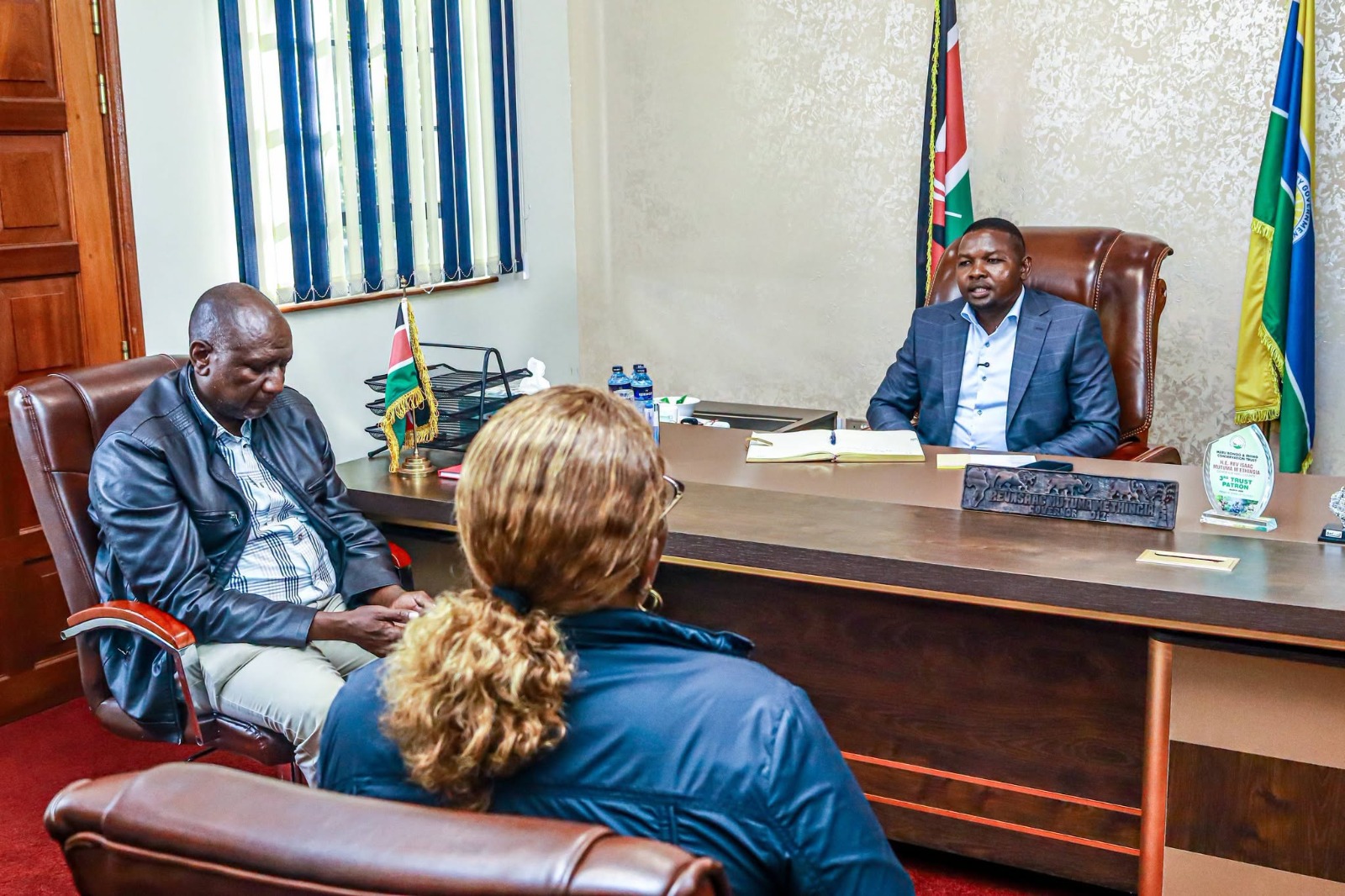
Meru Governor Mutuma M’Ethingia is optimistic the project will promote crop diversification and promote high-value crops such as Cocoa, and Hass avocados to diversify farmers’ incomes while increasing tree cover.
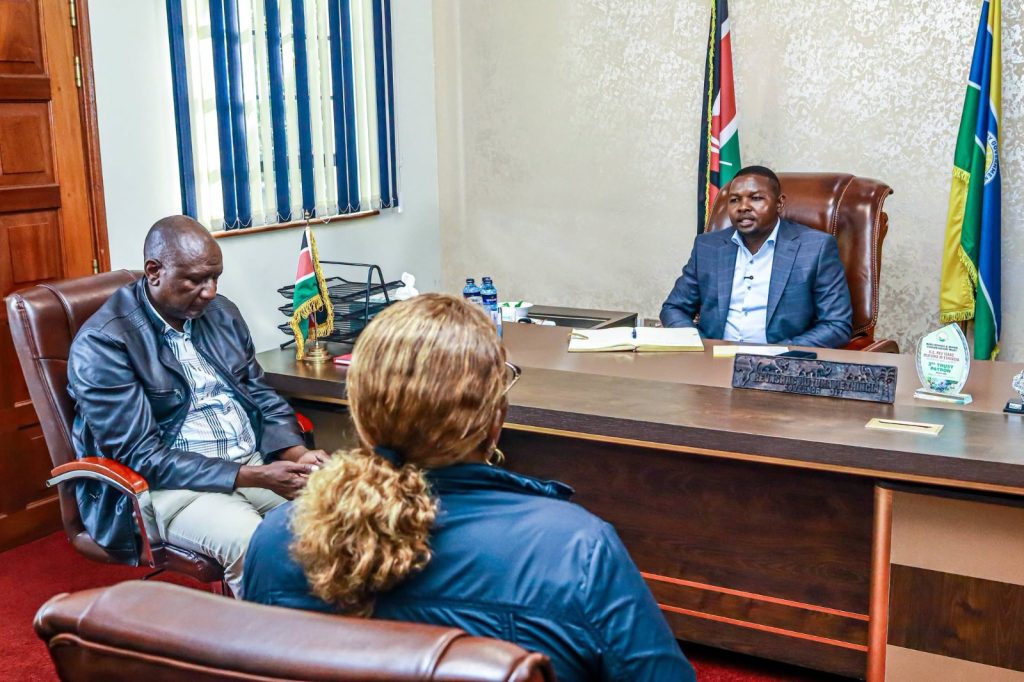
“Through the cultivation of high-value crops such as Hass avocados, our farmers will have opportunities to diversify their incomes while increasing tree cover and contributing to Kenya’s ambitious target of growing 15 billion trees,” Mutuma said.
The introduction of cocoa farming has also been proposed as an additional agroforestry opportunity, alongside the adoption of climate-smart farming practices and farmer education on sustainable agricultural methods.
“During our discussions, I proposed the introduction of cocoa farming as an additional agroforestry opportunity and emphasised the need to embrace smart farming practices to maximise agricultural productivity.” He said.
Mutuma said the project also presents an opportunity to link agricultural production with Meru’s County Aggregation and Industrial Park (CAIP), where value addition and agro-processing could help farmers access wider markets and earn more from their produce once the facility becomes operational.
KEWASIP targets five priority landscapes: Nyambene, Mount Marsabit, Marmanet, Chyulu Hills and Shimba Hills. The selected areas cover Meru, Tharaka Nithi, Isiolo, Marsabit, Samburu, Laikipia, Baringo, Kitui, Makueni, Garissa, Tana River and Kwale counties.
The project became effective on December 23, 2025, and is designed to strengthen watershed planning and monitoring, promote sustainable land management on private and community land, and restore public forests and other protected areas.
It is aligned with Kenya’s national landscape restoration agenda, which targets the restoration and conservation of 10.6 million hectares of degraded landscapes and ecosystems by 2032, alongside the national ambition to grow 15 billion tree seedlings.
For farmers in Meru, the success of the initiative will depend on how effectively conservation measures are translated into practical support, improved agricultural practices and sustainable income-generating opportunities.
The Sh26 billion figure represents the overall project financing, not an allocation exclusively for Meru County.