As the dust settled and the sun set in a remote area in Meru County after a thrilling three days of breathtaking traditional and cultural activities, a sleeping giant seemed to stir to life once again.
The sleepy Murera market which borders the renown Meru National park had for once turned into a beehive of activities after deliberate and sustained efforts to economically and socially revive it fading fortunes using the Ameru traditional culture.
Leaders, traders, merrymakers and residents turned up in large numbers to witness the unprecedented event with the business community smiling all the way to the bank.
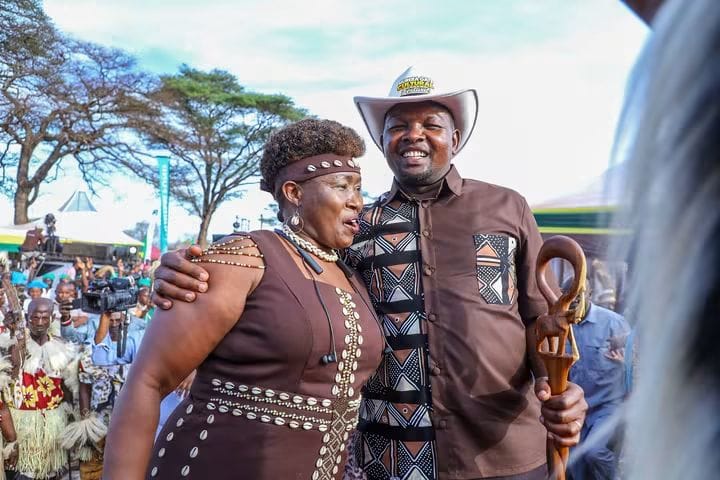
With the clock ticking to the final but decisive moments of the three days of a mouth watering event organized by the Meru County government and stakeholders, all eyes and ears had turned to Governer Isaac Mituma who was set to issue a landmark statement.
And he did not disappoint when he rose to the podium to addresss the eager crowd while being flanked by other dignitaries who had graced the occassion.
Governer Mutuma said the Meru County government is set to reverse the fading fortunes of the tourist sector by reviving the Meru National Park to it former glory using traditional culture.
He insisted that in order to revive and transform the tours sector, residents have no alternative but to go back to their traditional culture including cooking and eating traditional food since they have better economic and healthy benefits compared to the modern dishes.
He regretted that the white man mislead the Africans to abandon their own culture which they had cherists for ages after inheriting it from their forefathers.
He challenged the Meru community to support the initiative by embracing the traditional culture since it is more beneficial.
“The colonist mislead the Africans into abandoning their traditional culture in favour of the new practice. We must go back to our roots of planting traditional foods like cassava,arrow roots, yams, sweet potatoes and millet among others. They are better owing to their instant economic and health benefits. I challenged the Meru community to support the initiative by embracing our traditional culture,” said governor Mutuma.
The governor was speaking when he launched
the inaugural Ameru Cultural Festival at Murera Gate of Meru National Park which brought together residents, cultural practitioners, artists, traditionalists, visitors and leaders for a celebration of the community’s rich heritage.
The department of Tourism, Culture and Heritage, hosted the inaugural Ameru Cultural Festival at Murera Gate of Meru National Park in a delibarate move to reverse the trend.
Mutuma promised to distribute development projects equally in all the three regions of Meru County namely Imenti, Igembe, and Tigania without discriminations.
“Our journey to Singapore is unstoppable owing to the many developments projects initiated by the county and national government. I promise to distribute development projects açross all three sub tribes without discrimination in Igembe, Tigania and Imenti,” said Mutuma.
He said despite having three former governors since devolution, he was the first to initiate such a cultural festival in Meru county.
Meru County deputy governor Ms Linda Kiome said the devolved unit will continue partnering with other stakeholders like the Kenya Wildlife Service to ensure the event is held annually.
She said the initiative will inevitably revive the the Meru National Park, transform the locality economically and socially owing to the many local and foreign tourists set to visit the area.
Meru County Finance Executive Committee Member Ms Monica Kathono lauded governor Mutuma for holding a cultural event and for belng ranked top in development without scandal and for holding pioneer cultural event.
Agriculture, Trade and Tourism CECM Janaro Guanta alias “Gatangugi” also commended the governor and cautioned leaders against misappropriating public funds.
Gatangugi said Murera market near the Meru National Park is set to witness unprecedented developments since investors will start flocking in to build rental houses and other infrastructures.
The launch of the annual cultural event is a statement of intent that Meru wants to reclaim its place on Kenya’s tourism map by showcasing the people and traditions that give the region its identity.
Governor Mutuma said it was a rare opportunity for the Ameru community traditions that were once largely confined to family gatherings and rural ceremonies found a new audience.
He said the festival will be institutionalised, with legislation being considered to give it a permanent place on the cultural tourism calendar of events every year.
He noted that the vision is an ambitious move to make culture a bridge between they communities living around the park and visitors coming to experience its wildlife in a bid to promote the park locally and globally.
The move shows that the county government’s is committed to turning the cultural heritage into an economic opportunity while preserving traditions for future generations.
For years, Meru National Park has stood quietly in the shadow of Kenya’s more celebrated wildlife destinations, its vast savannahs, winding rivers and legendary conservation story waiting to be rediscovered.
Now, Meru County is turning to an unlikely but powerful tool to breathe new life into the “sleeping giant”.
Through festivals, traditional performances, indigenous cuisine, storytelling and community participation, the county is seeking to reconnect Meru’s cultural heritage with tourism and position the region as a destination where wildlife and culture can tell one compelling story.
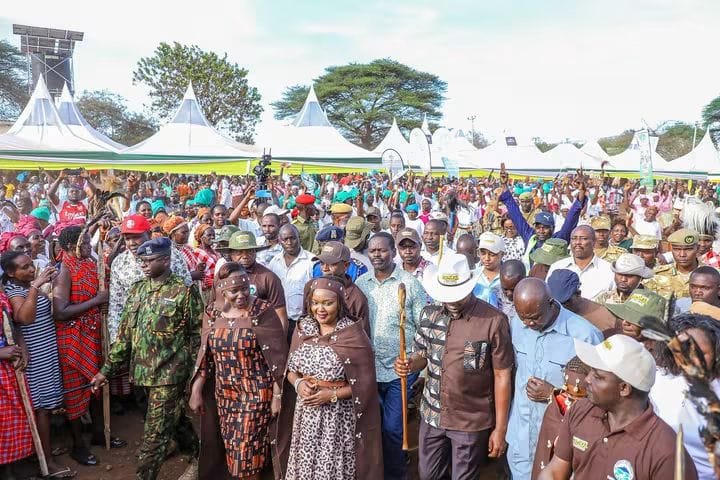
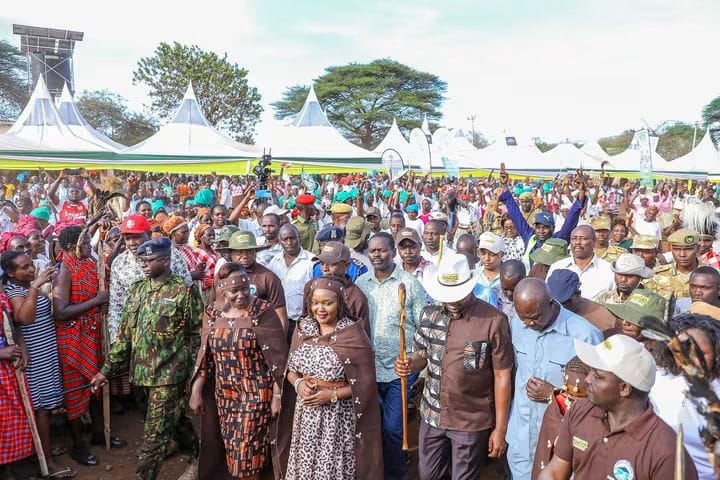
For three days, consecutively, the normally quiet Murera park gate was transformed into a beehive of activities with a colourful stage of song, dance, traditional attire, food, artefacts and narratives passed from one generation to another.
The festival, which opened was more than a celebration of culture. It was a statement of intent that Meru wants to reclaim its place on Kenya’s tourism map by showcasing the people and traditions that give the region its identity.
As the curtains came down, county officials described the festival as the beginning of a cultural tourism journey that could open new opportunities for local communities while strengthening the conservation of Meru’s natural heritage.
Governor Mutuma and other county leaders joined residents, performers, cultural custodians, Members of the County Assembly, tourism stakeholders and visitors at the event.
Their participation reviewed the county government’s commitment to turning cultural heritage into an economic opportunity while preserving traditions for future generations.
It also provided a platform for local artisans, performers and residents to showcase their talents, traditional food and artifacts while creating a meeting point between culture, tourism and community enterprise.
During the event, traditional dances filled the air, storytellers revisited old narratives and traditional foods offered visitors a taste of Meru beyond the familiar images of tea, coffee, miraa and agricultural landscapes.
Mutuma said the ambitious vision is to make culture a bridge between the communities living around the park and visitors coming to experience its wildlife in a bid to promote the park locally and globally.
The once famous Meru National Park covers about 870 square kilometres and lies about 60 kilometres from Meru town.
Its landscape is shaped by numerous rivers, savannah grasslands and diverse wildlife habitats.
The park is home to the Big Five and is particularly associated with the conservation of both black and white rhinoceroses and its most enduring global story of Elsa The Lioness from Born Free.
This places the park on global market since it was raised by conservationists George and Joy Adamson.
Elsa became one of the world’s best-known wild animals after her story was documented in the book and film Born Free placing Meru on the international conservation map and remains one of the park’s most powerful tourism stories.
It because of this global recognition according to the county boss the region decided to host the cultural event to bring back the lost glory or the park to promote tourism and boost economy of the region.
The park’s rivers sustain wildlife throughout the year, while its relatively expansive and less congested landscape offers visitors a different safari experience from some of Kenya’s busier destinations.
Meru National Park sits within a wider landscape touching or connecting with areas in Tharaka-Nithi, Isiolo, Kitui and Tana River, creating possibilities for tourism circuits that combine wildlife, culture, landscapes and community experiences.
The new cultural festivals also hosted by their neighbouring Tharaka Nithi County known as Uraa Gate cultural festival is therefore being viewed as a possible gateway to a wider tourism revival.
“Instead of presenting the park as a stand-alone wildlife destination, I want visitors to experience Meru as a complete destination from its cultural heritage and traditional cuisine to its farms, forests, rivers, wildlife and communities,” said governor Mutuma.
He said Meru and Tharaka Nithi culture together with traditional foods and crafts, could become part of a broader tourism economy that allows visitors to interact with communities and understand the region beyond the game drive.
The festival also comes at a time when the government is seeking to strengthen cultural tourism across the wider Mount Kenya and eastern tourism circuit.
During the just concludec Ura Gate7th Edition cultural festival Tourism Cabinet Secretary Rebecca Miano has previously highlighted efforts to preserve indigenous knowledge, traditional foods and cultural heritage while promoting attractions that combine wildlife, landscapes and community traditions.
Maino said the government has also been working on policy and legislative frameworks intended to guide the development of the cultural sector and improve livelihoods linked to heritage and tourism.
According to leaders for Meru, the challenge will now be to ensure that the festival becomes more than an annual celebration.
“Its success will depend on whether it can translate music, dance and heritage into sustained tourist arrivals, employment and income for communities living around the park because the ambition is to create a tourism model where conservation and community benefit together,”said Mutuma.
According to residents living around the park the festival has opened a new chapter in that journey one where the story of Meru National Park is no longer told only through lions, elephants and rhinos, but also through the people, traditions and culture that surround it.