Deputy President Kithure Kindiki has framed the 2027 general election as a contest between development and political rhetoric, challenging leaders to account for their record in office and warning against violence as campaigns gather momentum.
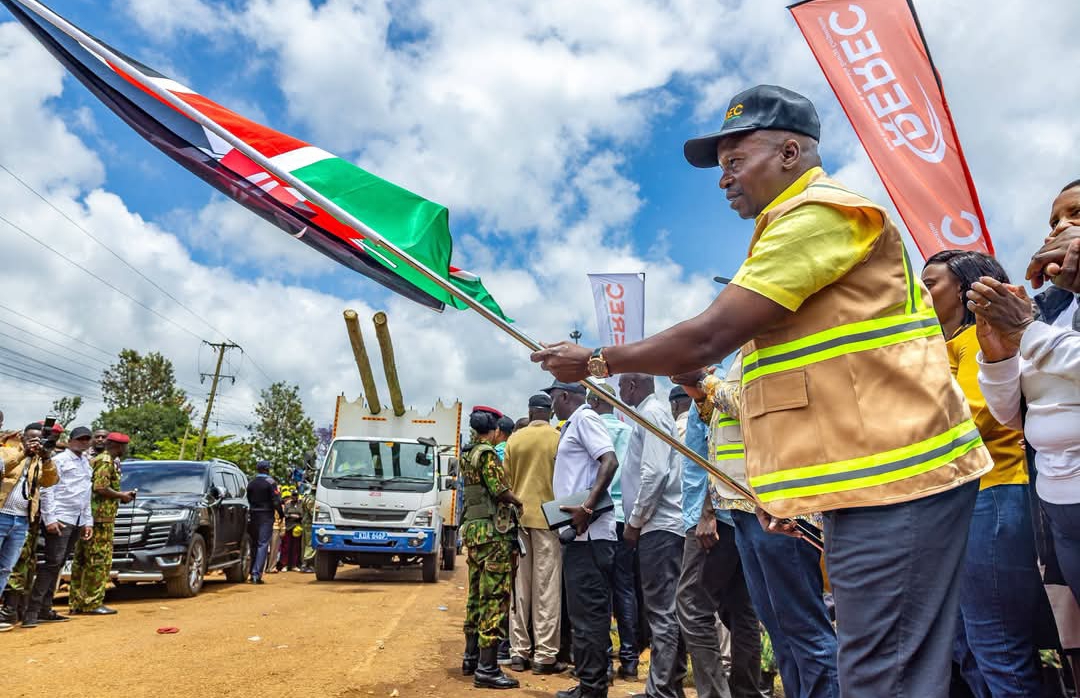
Speaking during public engagements in Ndia and Gichugu constituencies in Kirinyaga County on Friday 16 October 2026, Prof Kindiki said voters should assess leaders based on their ideas, policies and development record rather than insults, political hostility and empty rhetoric.
“Next year’s contest will be a contest between ideas and rhetoric. It will be a contest between Kenya’s future and its past, between work and insults, between inclusion and exclusion, and between policies and noise,” he said.
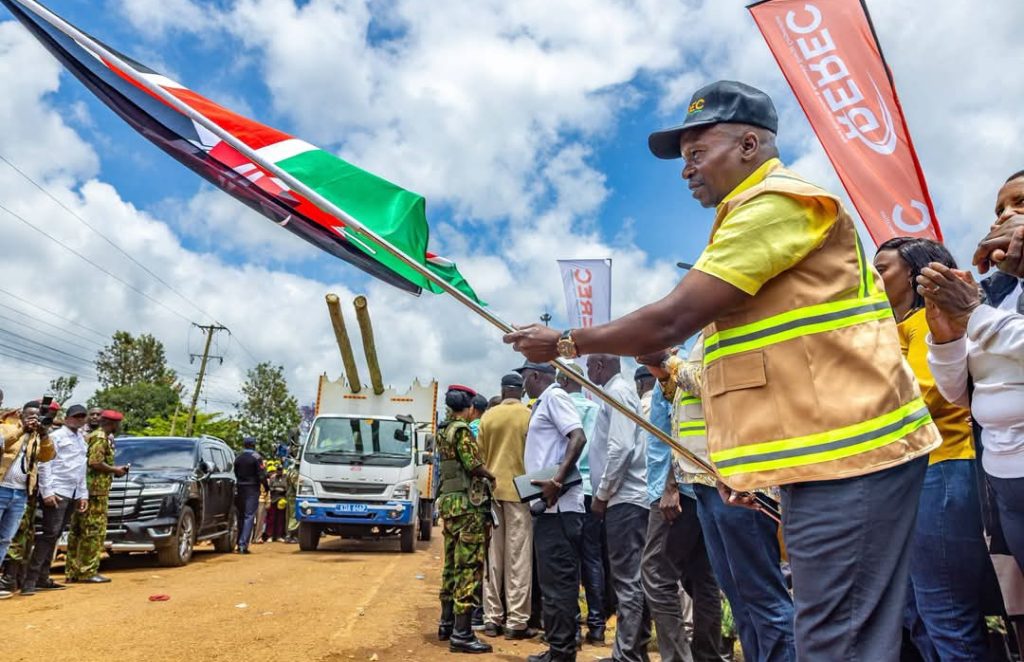
The Deputy President cited ongoing road construction, expanded electricity connections, improved coffee prices and investments in local infrastructure as evidence of the Kenya Kwanza administration’s development agenda.
He said the projects were intended to address longstanding infrastructure gaps and improve economic opportunities for residents, particularly farmers who depend on roads to transport their produce to markets.
In Gichugu, Prof Kindiki said about 100 kilometres of roads were under construction, including 53 kilometres in the eastern part of the constituency and 42 kilometres in the west.
He acknowledged that the area had for years lagged behind in the provision of tarmac roads, arguing that the ongoing projects were addressing the imbalance.
“The people of Gichugu know that, for a long time, this area did not receive enough tarmac roads. The roads were being constructed in other areas, but when it came to Gichugu, the programme seemed to stop,” said Kindiki.
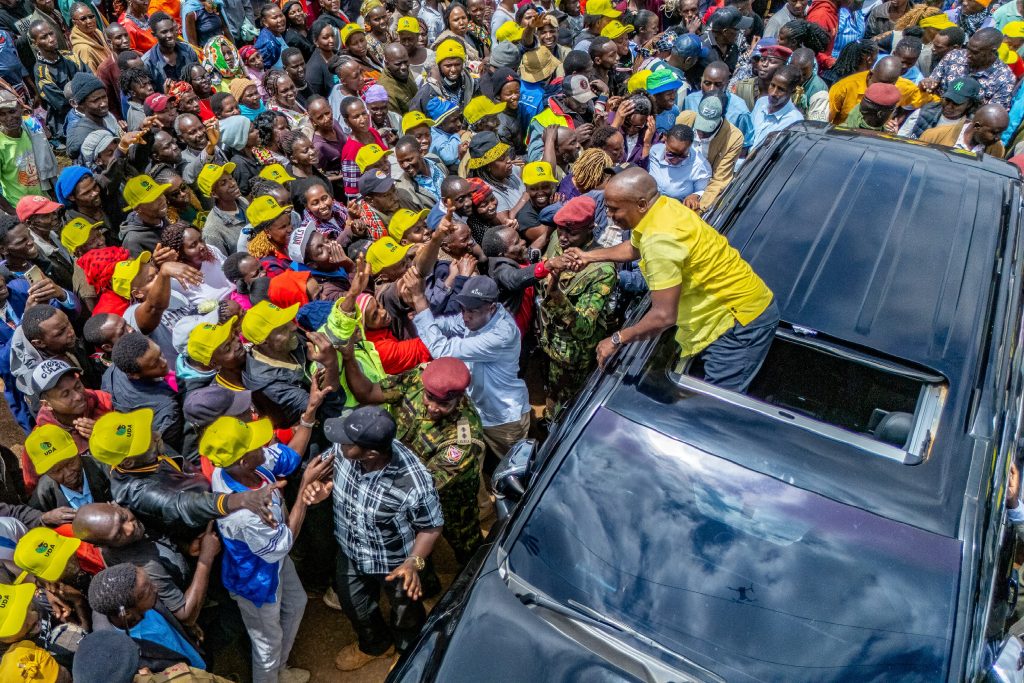
He credited President William Ruto’s administration with prioritising the region’s road network.
Across Kirinyaga County, the government has prioritised 571 kilometres of roads for tarmacking at an estimated cost of Sh42 billion.
The projects, he noted are expected to ease the transportation of tea, coffee and milk, key sources of income for households in the county.
The second in command also pointed to electricity connectivity as another area where the administration was seeking to expand access.
He said 32,000 households in Kirinyaga had been connected to electricity since September 2022, while another Sh845 million had been allocated to connect 10,800 households.
In Gichugu, he said Sh75 million had been set aside to extend electricity connections to additional households.
On agriculture, the Deputy President cited improved coffee earnings, saying some factories were paying farmers Sh150 per kilogramme, compared with between Sh50 and Sh60 in 2022.
He however, acknowledged the challenges facing tea farmers and promised that the Government would pursue measures aimed at improving their earnings.
Other projects highlighted during the engagements included 110 affordable housing units in Kianyaga, student accommodation at Gichugu Technical and Vocational Education and Training institution, and the construction of modern markets.
Prof Kindiki said the Sh500 million County Aggregation and Industrial Park at Sagana had been completed, adding to investments intended to support agricultural value addition and create economic opportunities.
He maintained that public investment should be distributed fairly across the country, regardless of the political affiliations of residents.
The DP also turned his attention to the conduct of political campaigns, warning leaders against incitement and activities that could undermine peace as the country approaches the 2027 elections.
He cautioned against attacks on political opponents, road blockades and looting, saying such actions threatened livelihoods and could disrupt economic activities.
“No country can be built through violence,” he said.
Prof Kindiki challenged opposition leaders to explain what they had delivered to Kenyans during their time in public office, particularly in infrastructure, water provision and electricity connectivity.
He urged political actors to focus on presenting their policies and development plans instead of trading insults, saying the election should provide an opportunity for voters to scrutinise competing proposals.
He said the government’s performance would be central to public scrutiny as Kenyans prepare to elect their leaders in 2027.