If you’ve driven through Eastern Kenya during a dry season, you’ve probably seen herds moving in search of water. But when those herds start showing up inside a national park, it becomes a problem.
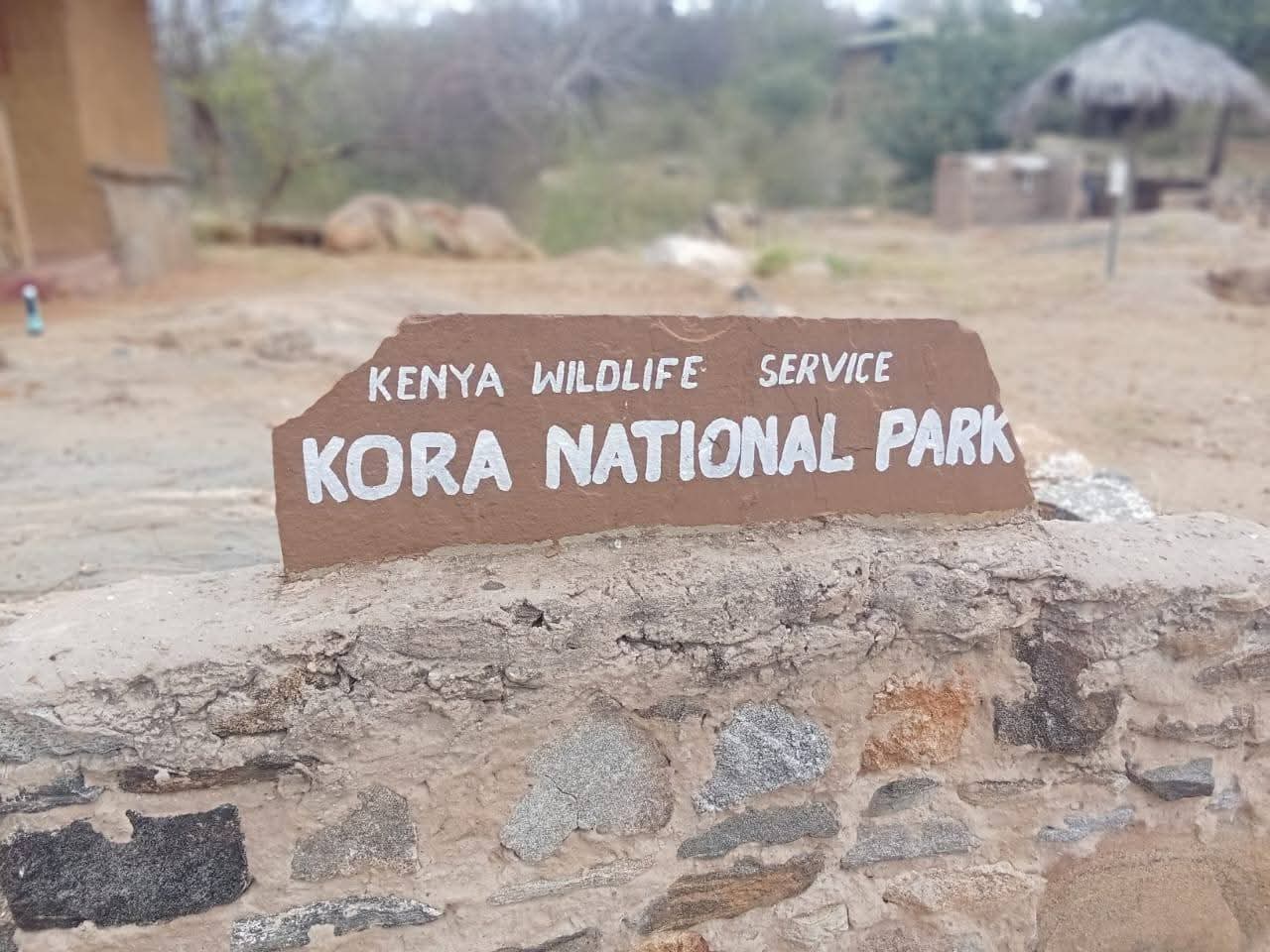
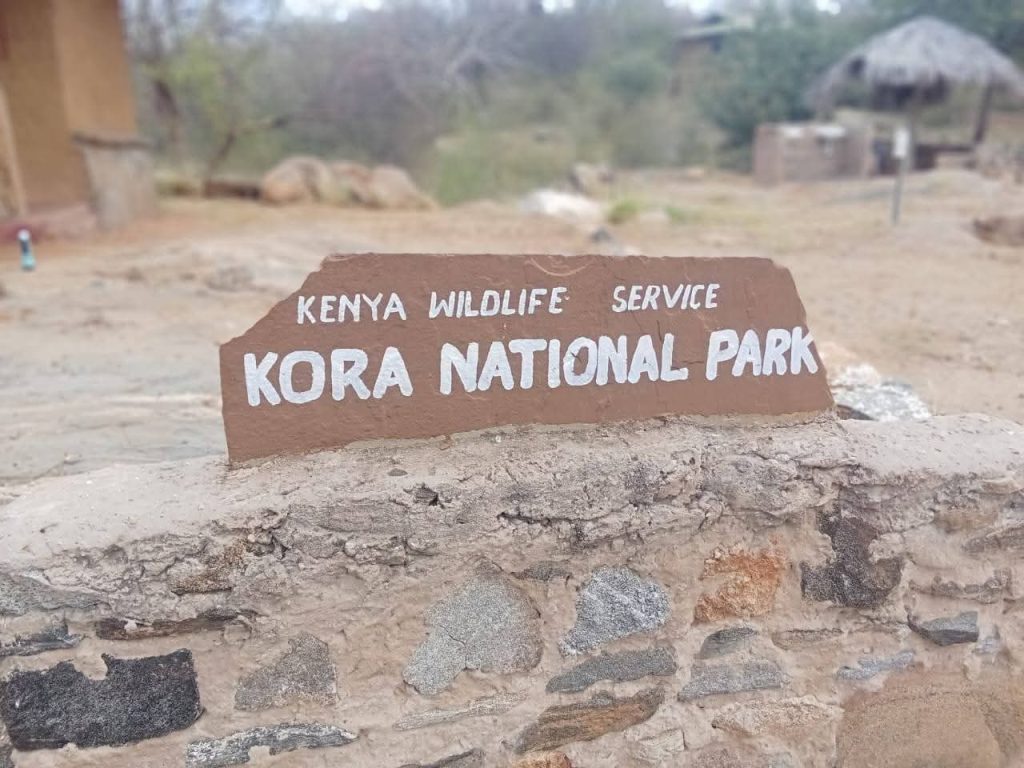
That’s exactly what’s happening at Kora National Park.
Over the past few years, the Kenya Wildlife Service (KWS) has repeatedly flagged camel invasions inside Kora National Park and Meru National Park.
Hundreds of camels, accompanied by herders, have been entering the parks illegally.
Reports and a fly over the park has revealed that Kora has for years remained a “hideout” for camel herders.
It has been recorded that they move in once they face resistance in Kitui and Tana River counties, or after committing crime along the porous border.
However, the unanswered question always remains, why are camels ending up in the Park?
This isn’t random, there are three main drivers key one being drought that leads to pasture and water search.
It is notable that during prolonged dry spells, pastoralists move deep into protected areas looking for grass and water.
Secondly, there is Human Wildlife Conflict, where Competition over scarce resources has turned deadly.
Along the Kitui-Tana River border, conflict over pasture and water has led to loss of lives, with encroachment into parks increasing tension between communities, wildlife and rangers.
Then there is Climate change,
After the 2021-2022 drought wiped out up to 70 percent of cattle in ASAL areas, many pastoralists switched to camels as Kenya experienced a livestock transition.
That resilience is good for livelihoods, but it also puts more pressure on parks, ranches, and community land.
The invasion isn’t just about trespassing, but it has real consequences.
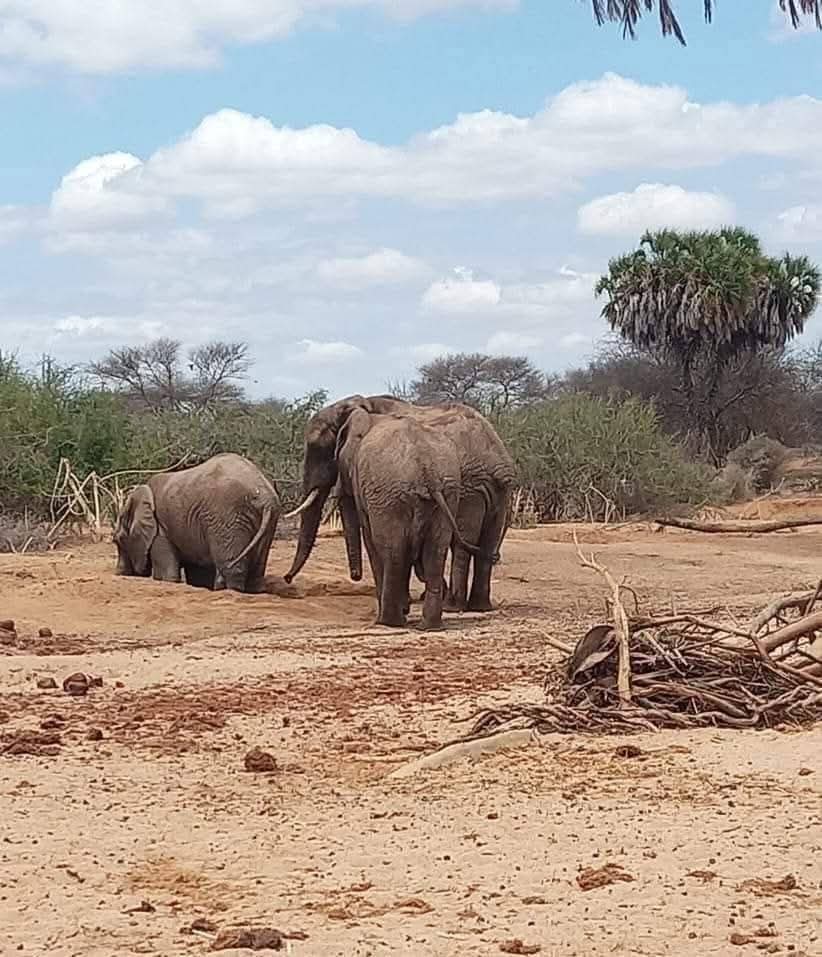
Its impact threatens the Ecosystem, where thousands of livestock overgraze and destroy habitats meant for wildlife like elephants, lions, and Grevy’s zebra that Kora is famous for.
Livestock spillovers move from ranches into national parks and community farms creating food insecurity, where in areas like Taita-Taveta, there are reports of farms being stripped bare.
Despite the challenges of the past, Kora remains an important refuge for wildlife.
The park is home to African elephants, lions, leopards, cheetahs, caracals, hippos, hyenas, servals, wild cats and several species of antelope.
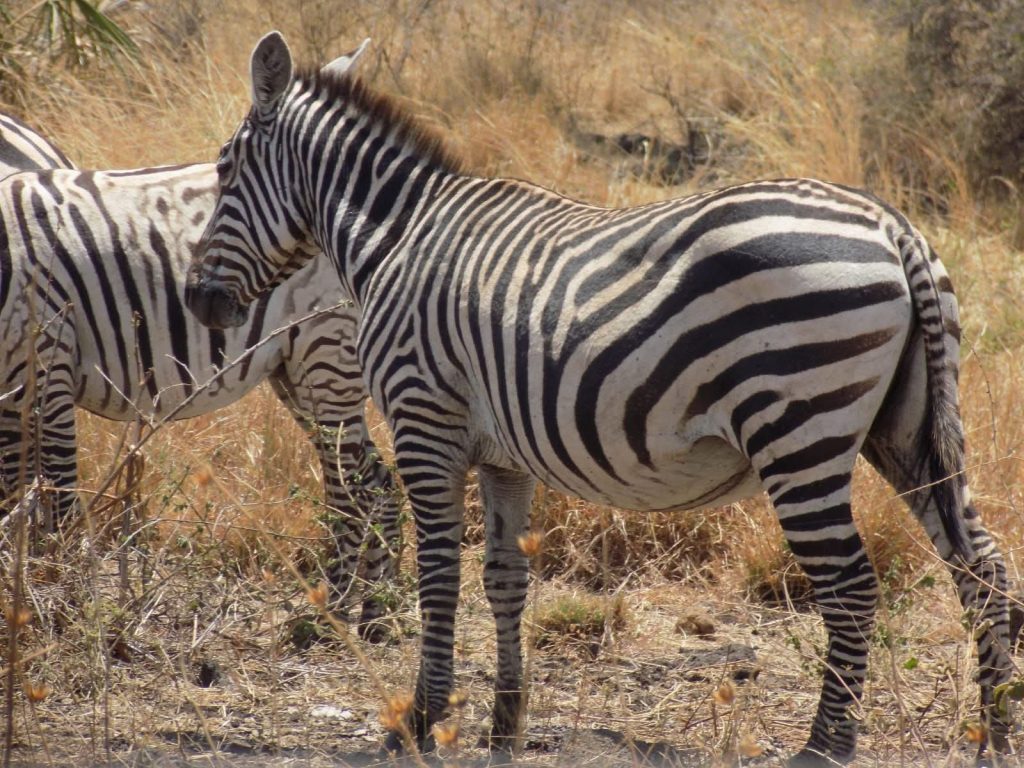
Kora National Park is a hidden gem in eastern Kenya where ancient rocky landscapes, flowing rivers, rare wildlife and a powerful conservation legacy come together in one of the country’s most untouched wilderness areas.
And as Kenya grapples with more frequent droughts, the fate of Kora National Park will test whether conservation and community resilience can coexist.
While millions of travelers visit Kenya’s famous safari destinations, a vast wilderness quietly waits beyond the usual routes.
Located in Tana River County, approximately 280 kilometres northeast of Nairobi, covering about 1,788 square kilometres of raw and spectacular landscape.
A visit to Kora is not a typical safari experience. It is an adventure for those seeking solitude, history and the beauty of a landscape far away from crowded tourist trails.
Edited by John Majau