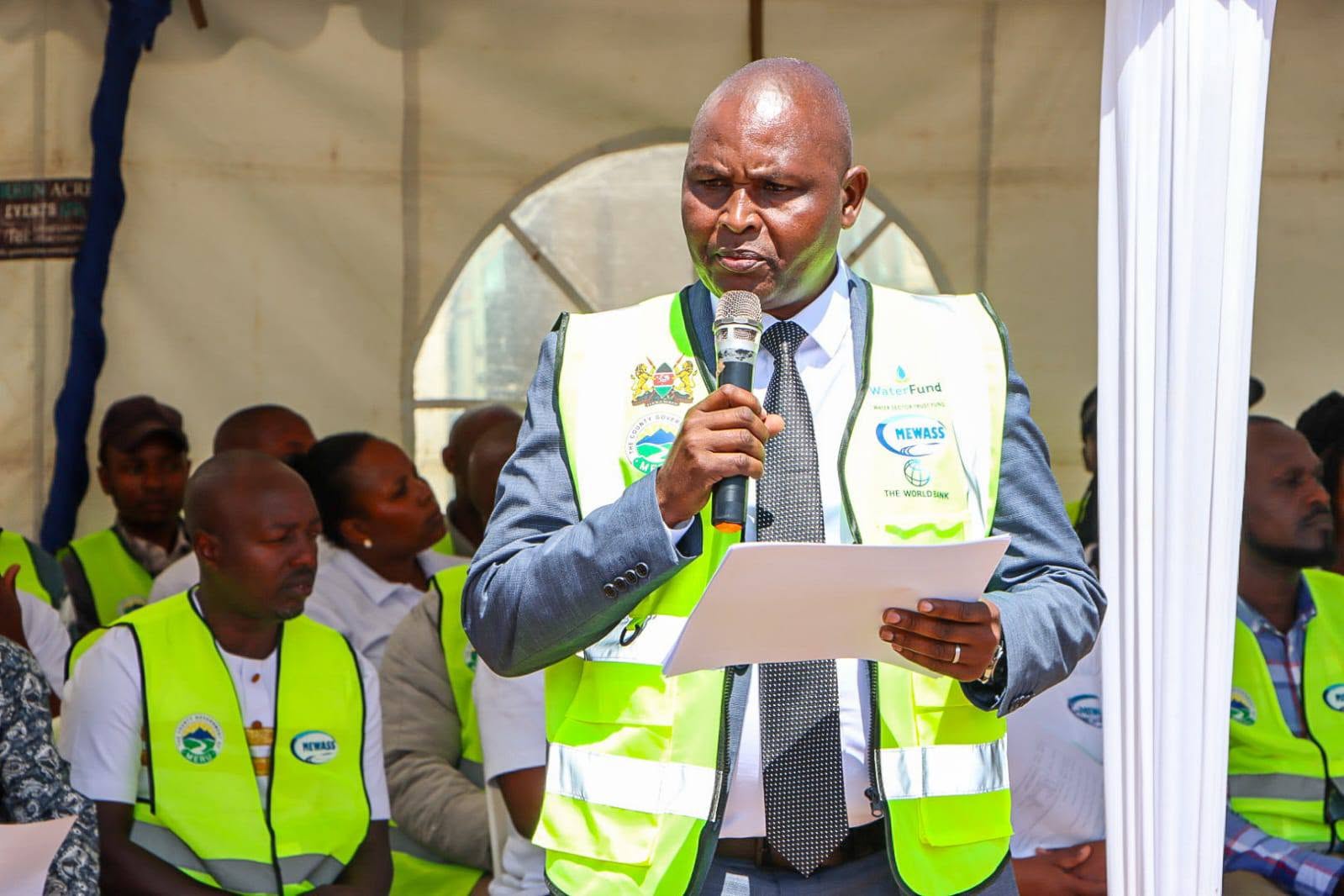
The Meru Water and Sewerage Services Company (Mewassco) has been hailed for its consistent effort to reduce non-revenue water over the last 20 years, ranking top nationally.
In an elaborate case study by State department of Water and Sanitation Secretary Samwel Alima, Mewass was singled out for being among the only two water service providers to breach the 25 percent benchmark set by the ministry.
Non-revenue water is the water produced by a service provider but billed due to leaks and other losses.
According to Water CS Eric Mugaa, water companies lose more than Sh13 billion annually to unbilled water.
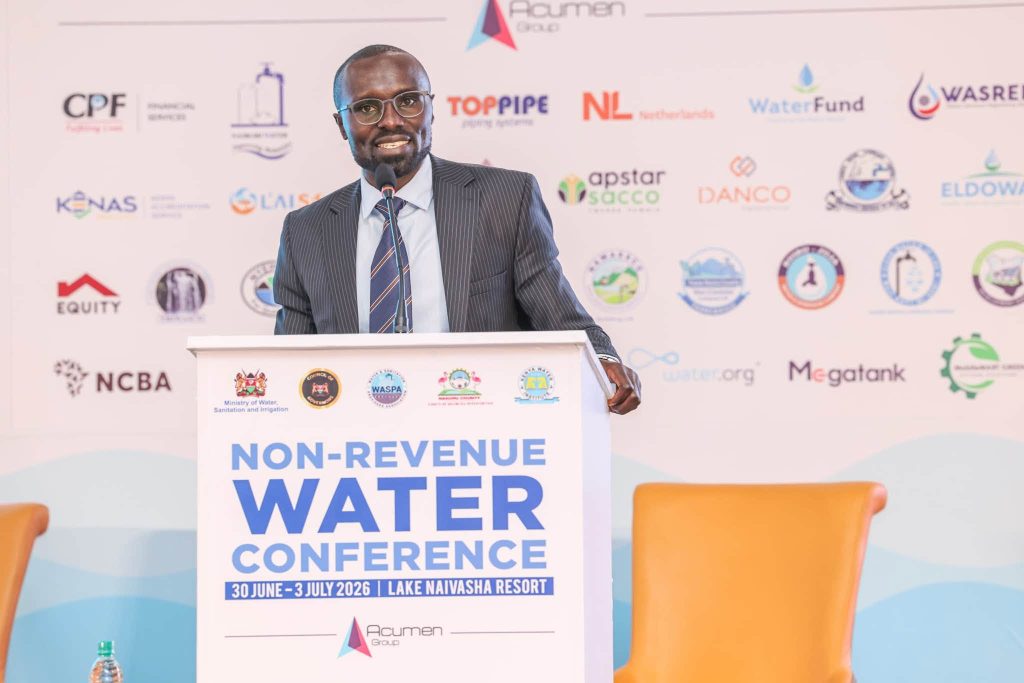
“If you lose 40 percent of the water you abstract, you cannot succeed as a service provider. Managers must take the non-revenue water issue seriously. Embrace modern technologies, strengthen governance, and implement robust water loss reduction strategies while improving the technical management of water infrastructure,” CS Mugaa said.
Out of more than 504 million cubic meters of water produced by water service providers, about 264 million cubic meters is not billed.
However, Mewass has maintained its non-revenue water at 19 percent coming second after Nyeri Water and Sewerage Company with 18 percent.
There are more than 96 water service providers in the country with the non-revenue water national average standing at 48 percent.
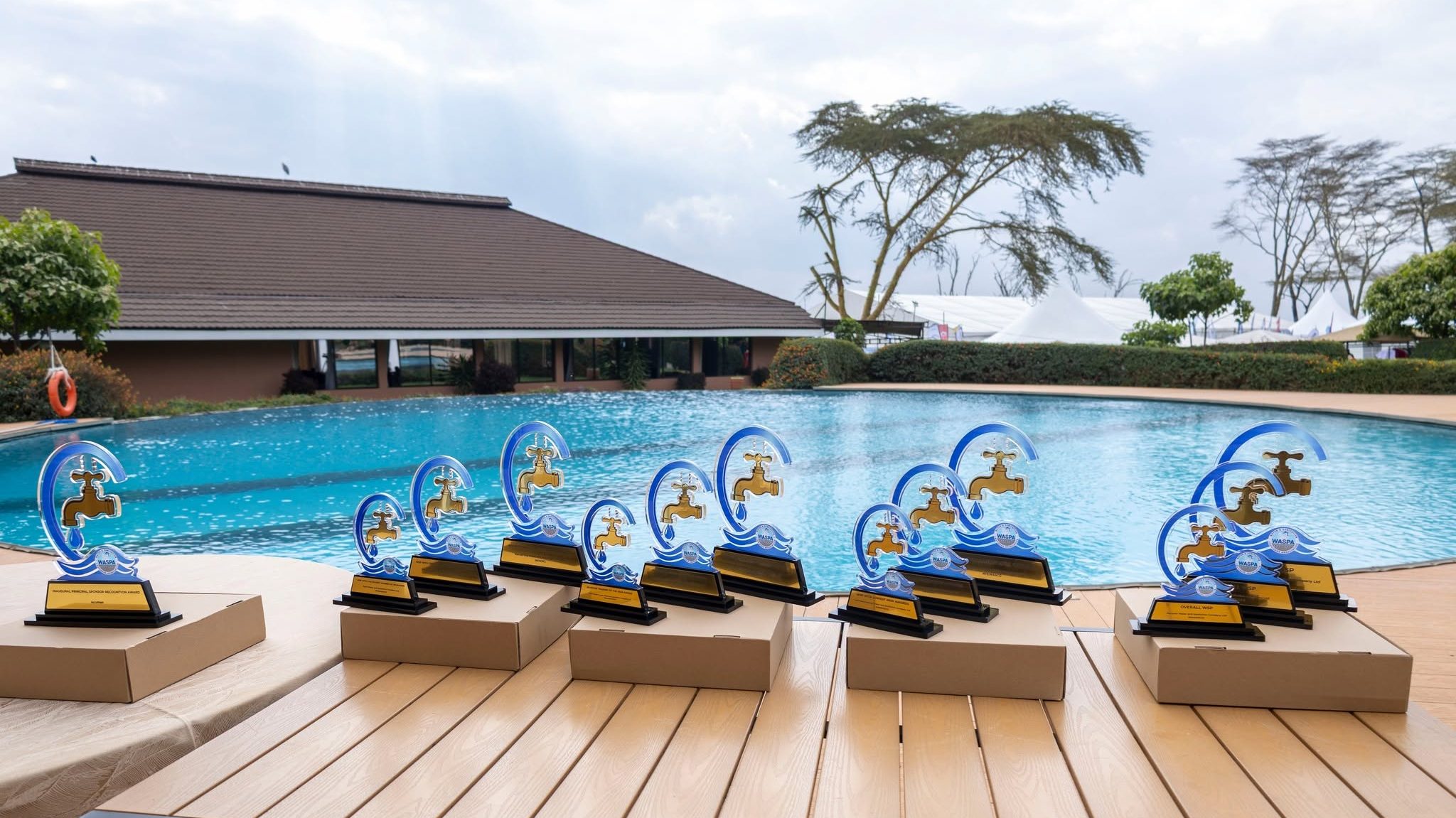
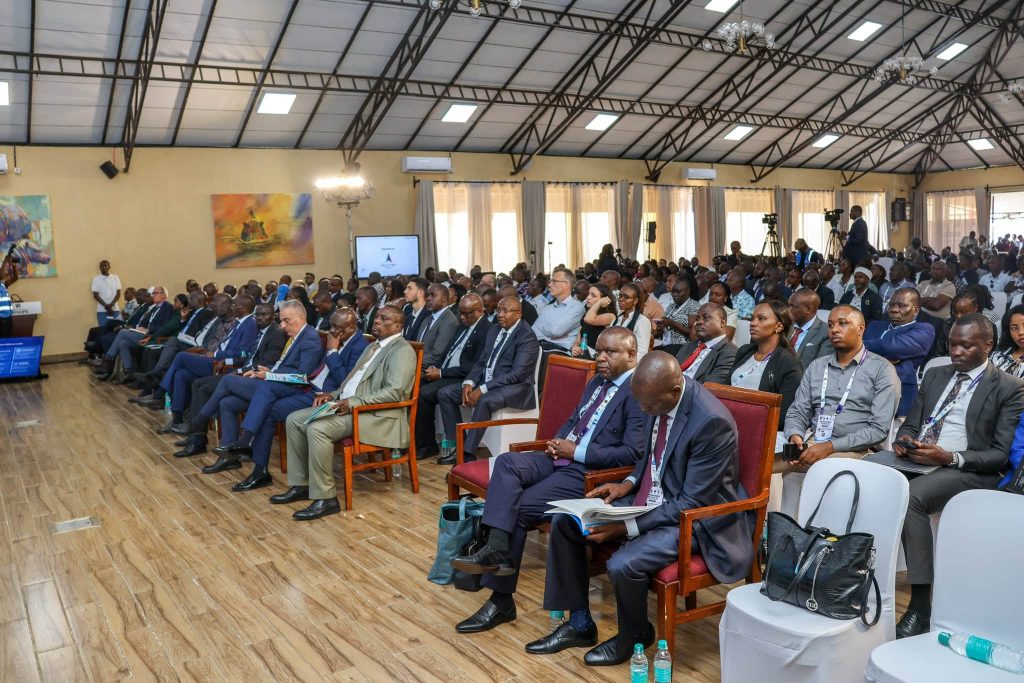
Speaking during the Water Service Providers Association (WASPA) Non-Revenue Water conference in Naivasha, Engineer Alima termed Mewassco’s performance as a national benchmark that should be emulated.
“The Mewass story is not a lucky rehabilitation. It is a story of what happens when a utility decides that water lost is unacceptable. The sector does not need a new idea. It needs the same discipline applied at scale.” Alima said.
Alima noted that Mewass was losing 70 percent of its treated water in 2001 through leakages and unmetered customers.
He said since 2002, Meru has managed to bring down its losses through deliberate monthly water balance, zoning of its supply network, active leakage detection and repair, and pressure management.
“Mewass was also able to sustain this by including non-revenue water control in its key performance indicators. Water service providers must be deliberate in ensuring this is every staff member’s business. You must reduce the time taken to fix a leaking pipe,” he admonished.
The Water and sanitation secretary noted that while water coverage has almost doubled over the last 20 years, the amount of billed water has not grown at the same pace.
Mewass managing director Patrick Mugendi attributed the success to dedication of the staff and support from the county government of Meru.
“We urge our customers to continue reporting incidents for timely resolution,” Mugendi said.
Alima noted that reduction of non-revenue water by 20 percent could double per capita water consumption which currently stands at 26.7 litres per person per day.